TRENDING

Monday, 5 October 2026
----------------------
24 Rabi' Al-Thani 1448 AH
Seven of the world's leading economies are releasing strategic oil reserves, including a critical diesel supply, in an attempt to stabilize markets disrupted by the US-Israeli war with Iran. This move comes as ordinary citizens and vital industries grapple with the escalating costs of global conflict.
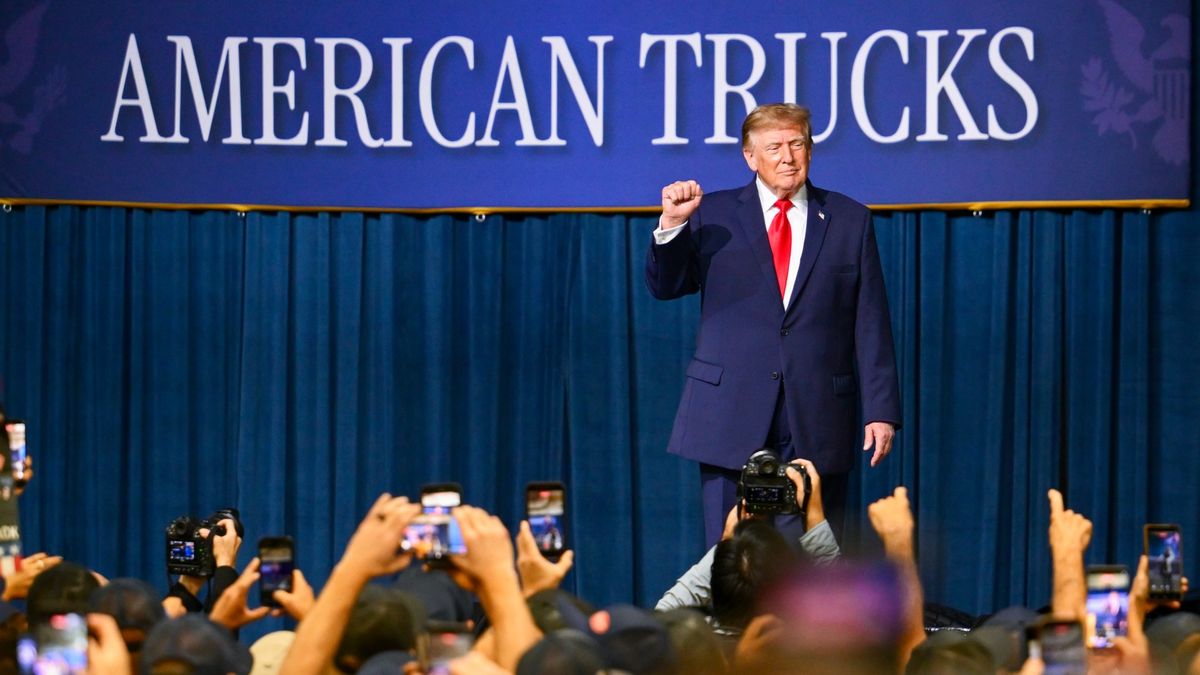
In early October 2026, the Group of Seven (G7) nations announced a coordinated release of up to 100 million barrels of strategic oil reserves, with a significant portion dedicated to diesel. This decision, orchestrated through the International Energy Agency (IEA), aims to mitigate soaring energy prices exacerbated by the ongoing United States-Israeli war with Iran. The announcement followed intense pressure from US President Donald Trump, who had publicly urged European allies, particularly Germany and France, to tap into their diesel stockpiles, even threatening a US export ban if they refused. The conflict has severely constricted shipping traffic through the Strait of Hormuz, a critical chokepoint for global energy supplies, sending ripple effects across international markets and daily life.
The G7's coordinated reserve release is a direct response to a crisis rooted in the intersection of military power, economic leverage, and domestic political survival. At its core, this situation reveals how geopolitical conflict, even when geographically distant, translates directly into tangible costs for global citizens and industries.
The Strait of Hormuz is not merely a shipping lane; it is a choke point through which roughly a fifth of the world's total oil consumption passes daily. For decades, Iran has understood its immense strategic value, periodically using threats to shipping or actual disruptions to assert its influence or retaliate against perceived aggressions. The current US-Israeli conflict with Iran has predictably triggered such disruptions, driving up insurance costs, increasing transit times, and reducing the overall flow of crude and refined products. This makes energy a potent, if indirect, weapon in the conflict, allowing Iran to impose economic pain on adversaries and their allies without direct military engagement on a global scale.
President Trump's public pressure on European allies, including the threat of a US diesel export ban, highlights a recurring tension within Western alliances. While the G7's eventual coordinated action suggests a degree of consensus, the initial reluctance from European officials and Trump's direct, almost coercive, demands underscore a fundamental divergence in strategic priorities. The US, as the primary instigator of the war with Iran alongside Israel, is seeking to externalize some of its economic consequences onto its allies. For Europe, which maintains its own complex energy security calculations and often seeks a more diplomatic approach to the Middle East, complying with such demands can be seen as subsidizing a conflict they may not fully endorse, while depleting their own emergency reserves. This dynamic tests the cohesion of the G7 and the broader transatlantic relationship, revealing the limits of shared interests when national economic and political pressures diverge.
The International Energy Agency (IEA), established in the wake of the 1973 oil crisis, is designed precisely for moments like these: to coordinate emergency oil releases among its member states. Its involvement lends an air of multilateral cooperation and technical expertise to the G7's decision. However, the IEA's power is ultimately advisory and dependent on the political will of its members. While it can facilitate a coordinated response, it cannot compel nations to act against their perceived national interest. The current release, though substantial, is a temporary measure, a collective sigh of relief rather than a structural solution to the underlying geopolitical instability driving the price hikes. It buys time, but does not resolve the conflict or the fundamental vulnerabilities of global energy supply chains.
For President Trump, the soaring diesel prices and their inflationary knock-on effects are not just an economic problem; they are a significant political liability. With US midterm elections approaching in November, declining approval ratings linked to economic performance put immense pressure on his administration. Diesel, in particular, is an economic bedrock, fueling transportation, agriculture, and construction – industries that directly impact the cost of living and employment for millions of Americans. His aggressive stance towards European allies and the push for a reserve release can be understood as a direct attempt to mitigate domestic political damage, demonstrating action to a voting public increasingly concerned about their wallets. This illustrates how internal political cycles in powerful nations can directly shape global economic and diplomatic decisions, often with little regard for the broader international implications beyond immediate electoral concerns.
The abstract figures of oil barrels and strategic reserves mask a very real, tangible impact on the lives of ordinary people and the viability of essential industries. When the price of diesel spikes, it's not just a number on a screen; it's a direct hit to household budgets and the backbone of the economy.
For millions, the most immediate and painful consequence is felt at the fuel pump. Higher diesel prices translate directly into increased costs for transportation, whether it's the daily commute, the delivery of goods, or the operation of public transport systems. This inflationary pressure doesn't stop at the gas station. Diesel powers the trucks that bring food to supermarkets, the ships that carry consumer goods across oceans, and the machinery used in agriculture and manufacturing. Consequently, the cost of almost everything – from groceries to construction materials – rises. This cost-of-living crisis disproportionately affects lower and middle-income households, who spend a larger percentage of their income on essential goods and services, forcing difficult choices between necessities.
Key industries, particularly those with tight margins, face severe strain. Trucking companies, already operating with slim profits, see their fuel costs skyrocket, making routes unprofitable and potentially forcing them to pass on costs or even cease operations. This ripple effect extends to farmers, who rely on diesel for tractors and harvesting equipment, impacting food production costs and ultimately consumer prices. The construction sector, dependent on heavy machinery, also faces significant headwinds. These industries are not just economic sectors; they are employers of millions. A prolonged period of high diesel prices can lead to job losses, reduced investment, and a slowdown in economic activity, creating a broader recessionary environment that impacts entire communities.
The reliance on diesel highlights the inherent fragility of global supply chains. Even minor disruptions in energy flow can have cascading effects, leading to delays, shortages, and further price hikes. This vulnerability is particularly acute for nations heavily dependent on imports, both of crude oil and refined products. For many developing economies, who often lack the strategic reserves or economic resilience of G7 nations, these price shocks can be devastating, leading to widespread economic instability and social unrest.
Behind the official statements and coordinated actions, there are critical narratives that governments and powerful actors often downplay or omit. These omissions reveal deeper truths about the motivations, limitations, and long-term consequences of such interventions.
Governments, particularly those engaged in military action, frequently frame conflicts in terms of national security, strategic interests, or humanitarian intervention. What is consistently downplayed, however, is the direct and often immediate economic cost borne by ordinary citizens globally. The US-Israeli war with Iran is presented as a necessary security measure, yet its economic fallout – specifically the soaring energy prices and the resulting inflation – is largely treated as an unfortunate side effect, rather than a direct and predictable consequence. The narrative avoids linking the decision to engage in conflict with the subsequent emptying of household budgets, thereby insulating policymakers from direct accountability for the economic hardships their decisions impose on a global scale.
The release of strategic reserves, while necessary in the short term, is fundamentally a temporary measure. It addresses the symptom (high prices due to reduced supply) but not the underlying disease (geopolitical instability and conflict disrupting crucial supply routes). These reserves are finite; they cannot be replenished indefinitely, especially if the conflict in the Middle East persists or escalates. The act of releasing them signals a crisis, a desperate attempt to buy time rather than a sustainable solution. What is omitted is the long-term strategy beyond these emergency measures, especially given the continued global reliance on fossil fuels and the vulnerability of their supply chains to political and military tensions. There is no clear path to energy security that doesn't involve either de-escalation of conflicts or a rapid, widespread transition to alternative energy sources, neither of which is adequately addressed by a reserve release.
While the G7 ultimately agreed to a coordinated release, Europe's initial
Global diesel prices are soaring primarily due to disruptions in oil supply routes, particularly the Strait of Hormuz, caused by the ongoing US-Israeli war with Iran. This geopolitical conflict reduces the availability of crude oil and refined products, driving up costs for consumers and industries worldwide.
Strategic oil reserves are emergency stockpiles of crude oil and refined products held by governments to mitigate supply disruptions during crises. When released, these reserves increase market supply, aiming to stabilize prices and ensure energy security, though their effect is typically temporary.
The war with Iran directly impacts everyday citizens through higher energy prices, especially for diesel, which fuels transportation, agriculture, and manufacturing. This leads to increased costs for food, goods, and services, contributing to inflation and squeezing household budgets globally.
Source referenced: ALJAZEERA
This brief was synthesized by our Editorial Engine and reviewed by The Ground Narrative team.