TRENDING

Monday, 5 October 2026
----------------------
24 Rabi' Al-Thani 1448 AH
Exceptionally low water levels on the Rhine River are crippling Germany's industrial supply chains, threatening the economy and forcing a shift to more expensive transportation methods. As the government scrambles for solutions, industries like steel and chemicals are already feeling the pinch.
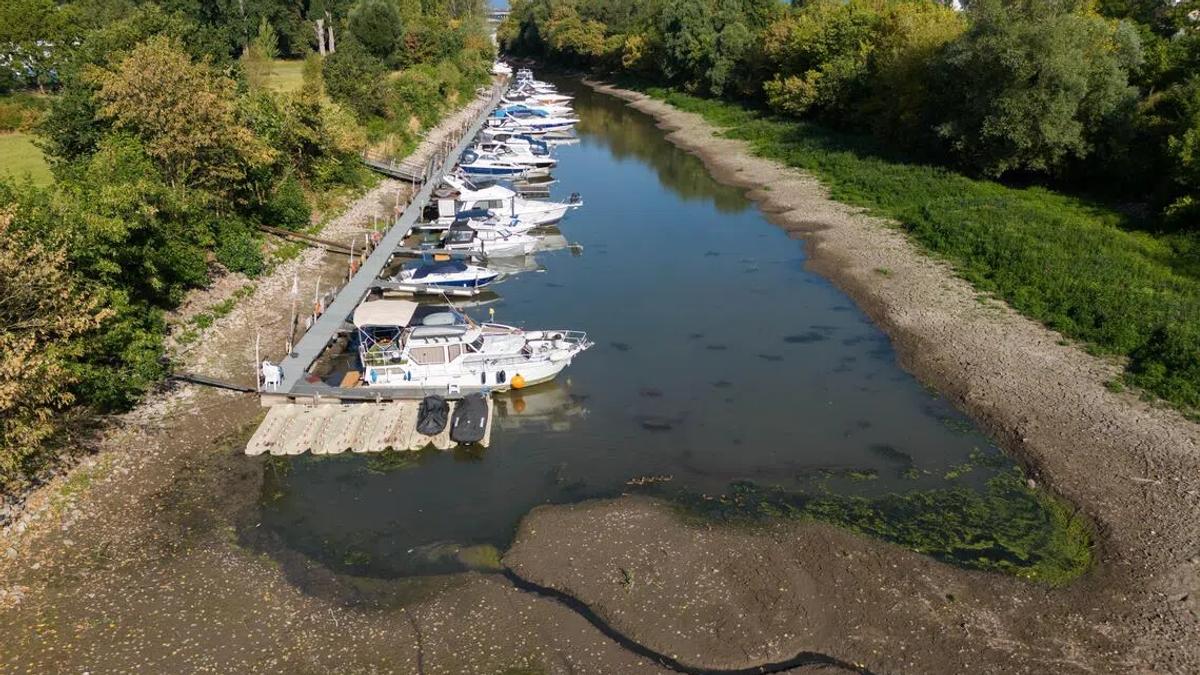
Germany's Rhine River, a vital artery for the country's industrial heartland, is experiencing record-low water levels due to a severe drought. This has significantly reduced ship cargo capacity, increased freight prices, and disrupted supply chains for industries such as steel, chemicals, and refining.
The Rhine River handles around 80% of Germany's inland waterway traffic, making it a critical component of the country's economy. The current crisis has exposed the vulnerability of this system, with industries forced to adapt to higher costs and reduced efficiency. The government's response, including plans to deepen a key stretch of the Rhine, will be crucial in mitigating the economic impact.
The effects of the drought are being felt across various sectors, from steel production to chemical manufacturing. Companies like thyssenkrupp, BASF, and Covestro are being forced to use smaller vessels, rail, and road transport, leading to increased costs and reduced productivity. This, in turn, may lead to higher prices for consumers and potential job losses. The situation is further complicated by a chronic shortage of truck drivers and an overloaded rail network.
While the immediate focus is on finding practical solutions to the crisis, there are underlying issues that need to be addressed. Climate change, for instance, is likely to exacerbate droughts and heatwaves in the region, making it essential for the government and industries to invest in long-term sustainability measures. Furthermore, the crisis highlights the need for diversification in transportation methods and supply chains to reduce dependence on a single waterway.
As the situation unfolds, readers should watch for the government's progress in implementing solutions, such as deepening the Rhine and investing in alternative transportation methods. The impact on industries and consumers will also be crucial, as higher costs and reduced productivity may have far-reaching consequences. Additionally, the response to this crisis may set a precedent for how Germany and other European countries address the challenges posed by climate change.
Editor's Note: The analysis is based on current data and trends, but the situation is evolving, and the actual impact may vary depending on various factors, including government response and climate conditions.
Source referenced: STRAITSTIMES
This brief was synthesized by our Editorial Engine and reviewed by The Ground Narrative team.


