TRENDING

Monday, 5 October 2026
----------------------
24 Rabi' Al-Thani 1448 AH
A suspected drone attack at Leipzig/Halle Airport has sparked concerns over hybrid warfare in Germany, with Interior Minister Alexander Dobrindt warning of daily attacks from abroad. As tensions rise, the country is forced to confront the expanding threat of drone-based sabotage and espionage.
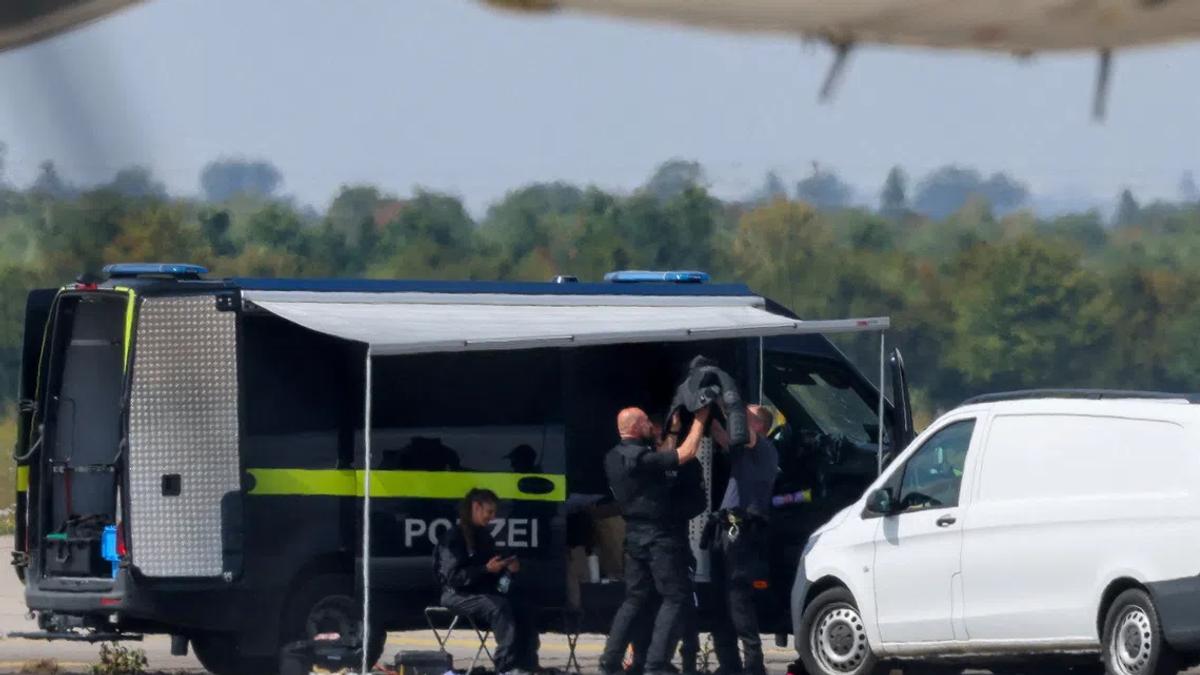
A drone loaded with explosives was discovered at Leipzig/Halle Airport in eastern Germany, prompting fears of hybrid warfare and sparking a heated debate over the country's vulnerability to such attacks. The incident has been described as a 'hybrid attack scenario' by Interior Minister Alexander Dobrindt, who has warned of daily attacks from foreign powers seeking to destabilize Germany.
The use of drones in hybrid warfare represents a significant shift in the nature of modern conflict, allowing adversaries to launch attacks with relative impunity and anonymity. For Germany, the threat is particularly concerning given its geographical proximity to the ongoing conflict in Ukraine and its role as a key player in European politics. The country's interior minister has highlighted the need for expanded drone research as part of the response to these new threats, underscoring the importance of developing effective countermeasures.
The people of Germany are not the only ones who bear the human cost of these attacks. The incident at Leipzig/Halle Airport has also raised concerns among the country's Ukrainian community, who fear that they may be targeted in retaliation for Germany's support of Ukraine. Furthermore, the threat of drone-based sabotage and espionage has significant implications for the country's economy and infrastructure, potentially disrupting critical services and causing widespread harm.
What is being downplayed in the official statements is the extent to which Germany's own foreign policy decisions have contributed to its vulnerability to hybrid warfare. The country's role in supporting Ukraine and its participation in international sanctions against Russia have likely made it a target for retaliation. Moreover, the lack of transparency surrounding the incident, including the failure to identify the perpetrators or their motivations, has fueled speculation and misinformation, further exacerbating the sense of unease among the German public.
As the situation continues to unfold, readers should watch for signs of escalation, including further drone sightings or attacks, as well as any indications of a shift in Germany's foreign policy stance. The country's response to the threat of hybrid warfare will be crucial in determining the trajectory of this crisis, and any missteps could have significant consequences for regional stability. Moreover, the international community should be vigilant in monitoring the situation, as the use of drones in hybrid warfare has the potential to set a dangerous precedent for future conflicts.
Editor's Note: The analysis is based on publicly available information and may not reflect the full complexity of the situation.
Source referenced: STRAITSTIMES
This brief was synthesized by our Editorial Engine and reviewed by The Ground Narrative team.