TRENDING

Monday, 5 October 2026
----------------------
24 Rabi' Al-Thani 1448 AH
Germany's ruling coalition has introduced a comprehensive reform package aimed at revitalizing the economy and addressing social inequalities. The measures come as Chancellor Friedrich Merz's government faces significant political pressure and a rising far-right opposition.
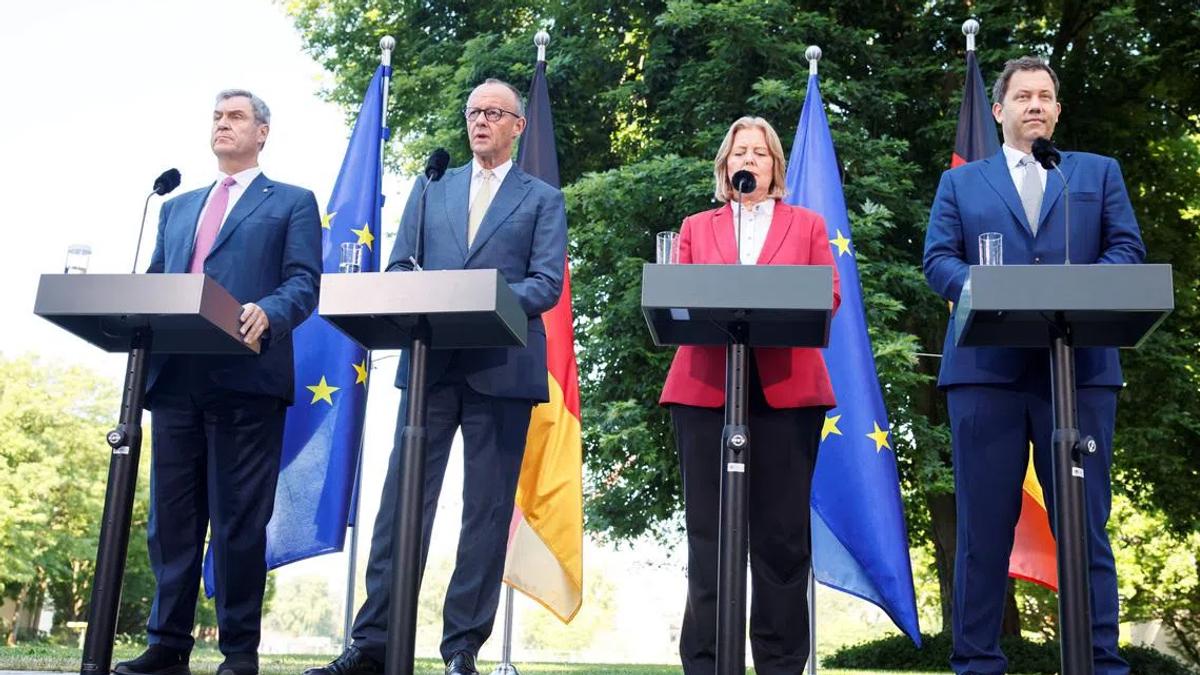
On July 2, 2026, in Berlin, Germany's ruling coalition, led by Chancellor Friedrich Merz, unveiled a significant package of reforms designed to address the nation's economic challenges and mounting domestic political pressures. This initiative, encompassing tax relief, pension adjustments, and administrative streamlining, represents a critical effort to stabilize Europe's largest economy and counter the growing influence of the far-right Alternative for Germany (AfD) party.
The What of the reforms is multifaceted. At its core, the package includes an estimated €10 billion ($11 billion) in annual tax relief specifically targeting lower-income earners. This relief is primarily funded by an increase in the top income tax rate, rising from 45% to 47% for individuals earning €280,000 or more annually. Beyond tax adjustments, the reforms propose changes to the national pension system, initiatives to construct more affordable housing, and an action plan to combat benefit fraud. Furthermore, the government aims to cut bureaucratic red tape by abolishing the ability to obtain sick notes via phone and plans an 8% reduction in federal ministry staffing through digitization efforts. Chancellor Merz articulated the overarching goal, stating, "We want to get Germany back on track."
Why these reforms are crucial extends beyond domestic politics. Germany's economic health is inextricably linked to the stability and prosperity of the entire Eurozone and the broader European Union. As Europe's economic powerhouse, a robust German economy provides a critical anchor for regional trade, investment, and overall financial resilience. Recent economic stagnation and internal coalition wrangling have hindered Germany's momentum, raising concerns across the continent. This reform package is a direct attempt to inject vitality into the economy, stimulate growth, and enhance the nation's competitive edge. The focus on tax relief for lower earners and affordable housing aims to boost domestic demand and address cost-of-living pressures, which have been significant drivers of public discontent.
The How these reforms are being implemented is equally significant, reflecting a strategic response to a challenging political landscape. Chancellor Merz's coalition has been trailing in opinion polls, with the far-right AfD party gaining considerable traction. The rise of populist and nationalist parties in core European states like Germany poses a substantial geopolitical risk. Such movements often advocate for policies that could undermine EU cohesion, challenge established foreign policy alignments (e.g., regarding NATO, Russia, or China), and potentially weaken democratic institutions. By addressing key public grievances—economic hardship, housing shortages, and perceived government inefficiency—the coalition seeks to regain public trust and diminish the appeal of extremist narratives. The reforms against benefit fraud and for administrative efficiency are particularly aimed at demonstrating responsible governance and responsiveness to taxpayer concerns.
Germany's internal stability and economic strength are fundamental to its capacity to exert leadership within the European Union and on the global stage. A politically fractured or economically weakened Germany would struggle to effectively champion EU initiatives, contribute to international security efforts, or navigate complex geopolitical challenges such as energy transitions, climate policy, and responses to ongoing conflicts. The success or failure of these reforms will therefore have ripple effects on Germany's ability to project influence and maintain its strategic partnerships. The emphasis on digitization within federal ministries, for instance, not only aims for domestic efficiency but also positions Germany to remain a leader in technological governance and innovation, crucial for its long-term global competitiveness.
While the reform package is ambitious, its implementation will face considerable challenges. Overcoming internal coalition disagreements, ensuring effective execution of complex administrative changes, and demonstrating tangible benefits to the populace will be critical. The political stakes are high, as the coalition's ability to deliver on its promises will likely determine its future electoral prospects and the trajectory of German politics. The outcome of these reforms will not only shape Germany's domestic landscape but also significantly influence the broader European project and the balance of power within the international system, underscoring the profound geopolitical implications of what might appear, on the surface, to be purely domestic policy adjustments.
Source referenced: STRAITSTIMES
This brief was synthesized by our Editorial Engine and reviewed by The Ground Narrative team.


