TRENDING

Monday, 5 October 2026
----------------------
24 Rabi' Al-Thani 1448 AH
The conflict in Gaza has shattered the essential routines and support systems for individuals with autism, leading to severe regression and profound human cost. This analysis uncovers the specific vulnerabilities and systemic failures in protecting the most sensitive populations during warfare.
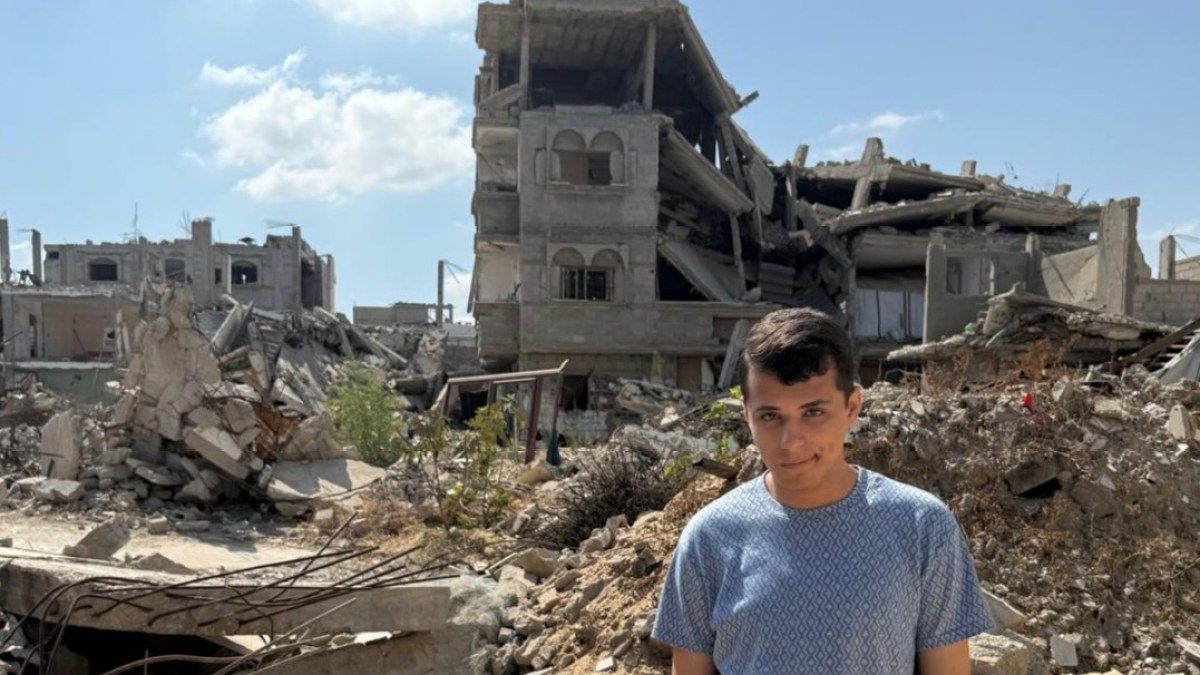
The ongoing conflict in Gaza has inflicted severe and specific trauma on individuals with autism spectrum disorder (ASD). Constant bombardment, destruction of homes and specialized facilities, and a critical shortage of medication and support services have shattered the predictable routines essential for their well-being. This has led to profound behavioral regression, severe panic attacks, self-harm, and critical health complications for children like Ahmed al-Mahabeel and Muneer al-Haj, whose worlds have been irrevocably dismantled.
The devastation in Gaza is a stark demonstration of asymmetric power dynamics, where the military objectives of one state directly intersect with the survival of a civilian population under blockade. Israel's military operations, framed as security responses, involve extensive aerial bombardment and ground incursions that inherently disregard the delicate environmental needs of highly vulnerable groups. Simultaneously, the sustained blockade on Gaza, controlling the entry of goods including essential medical supplies and rehabilitation equipment, acts as a systemic lever of power. This control, whether intended or not, ensures that the infrastructure for specialized care cannot function, let alone rebuild. The international community, often caught between political allegiances and humanitarian imperatives, has largely failed to establish effective mechanisms for protecting these specific populations or ensuring unimpeded access to life-sustaining resources, leaving families to bear the full brunt of a collapsing system.
The human cost extends far beyond the immediate casualties reported in headlines. For children with autism and their families in Gaza, the price is measured in lost developmental milestones, irreversible psychological damage, and a future stripped of possibility. Ahmed, who once thrived in school and sports, now clutches his hand for comfort amidst rubble, his nervous system overwhelmed by the memory of explosions. Muneer, who communicated clearly and expressed himself through art, now paces, makes sounds to block out the noise, and struggles to articulate his anguish, asking questions his father cannot answer. These children rely on routine as a neurological safety valve; its destruction leads to severe regression, insomnia, digestive issues, and self-harm. Their families, already navigating the complexities of ASD, are now forced into impossible caregiving roles without medication, professional support, or even a safe space. The collapse of specialized centers and the death of experts mean that the entire ecosystem of care has vanished, leaving parents isolated and terrified as they watch their children regress and suffer.
While official statements and international media often focus on broader humanitarian crises—food, shelter, general medical needs—the specific, long-term, and often silent suffering of neurodivergent individuals is consistently downplayed or entirely omitted. Governments and military actors rarely account for the disproportionate impact of conflict on populations whose very existence depends on predictable environments and specialized support. The systematic destruction of schools, rehabilitation centers, and the blockade-induced shortages of psychiatric and anti-convulsant medications are not merely collateral damage; they represent a direct assault on the neurological and developmental foundations of these children. The official narrative often frames aid as a general commodity, failing to acknowledge that specialized medical equipment and specific medications for conditions like ASD are distinct and critical needs, the absence of which can lead to profound and irreversible harm. This omission allows powerful actors to avoid accountability for the systemic dismantling of a society's capacity to care for its most vulnerable.
The immediate focus remains on securing a lasting ceasefire and ensuring unimpeded humanitarian access. However, for Gaza's autistic children and their families, the crucial next steps extend far beyond immediate relief. Watch for whether any future reconstruction efforts prioritize the rebuilding of specialized educational and therapeutic facilities, and whether international aid specifically targets the provision of long-term psychiatric medications and rehabilitation equipment. The mental health crisis for both children with ASD and their caregivers will require sustained, specialized intervention that must be integrated into any recovery plan, not treated as an afterthought. Crucially, observe whether there is any shift in the international community's approach to blockades, particularly concerning their impact on highly vulnerable medical populations. The true measure of any post-conflict resolution will be its ability to restore not just physical structures, but the foundational routines and support systems that allow every individual, especially the most vulnerable, to reclaim their world.
Source referenced: ALJAZEERA
This brief was synthesized by our Editorial Engine and reviewed by The Ground Narrative team.


