TRENDING

Thursday, 15 October 2026
----------------------
4 Jumada Al-Awwal 1448 AH
Israel's ongoing blockade and near-daily air raids on Gaza have pushed the healthcare sector to the brink of collapse, with power cuts plunging hospitals into darkness and rendering medical equipment inoperable.
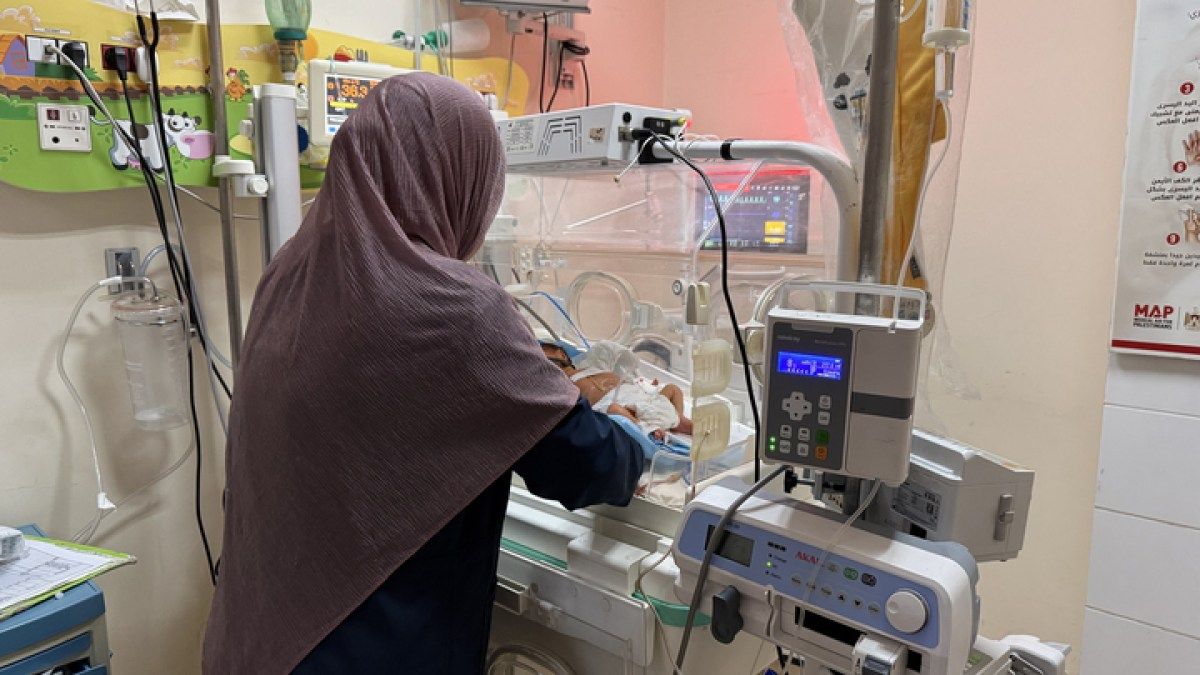
Gaza's healthcare sector is facing an unprecedented crisis, with Israel's ongoing blockade and near-daily air raids exacerbating the humanitarian situation. The power cuts that have plagued the region have left hospitals struggling to provide essential medical services, putting thousands of patients and medical staff at risk.
The Israeli-Palestinian conflict has been ongoing for decades, with Gaza being a focal point of the tensions. The blockade, which was imposed in 2007, has severely restricted the movement of people and goods, leading to a severe shortage of fuel, spare parts, and medical supplies. The recent escalation of violence, which began in October 2023, has further exacerbated the situation, with Israel's bombing campaign destroying 38 hospitals and 96 primary healthcare centers.
The humanitarian crisis in Gaza has significant regional implications. The power cuts have not only affected the healthcare sector but also the entire economy, with businesses and industries struggling to operate. The crisis has also led to a significant increase in poverty and unemployment, with many families struggling to access basic necessities like food and water.
The consequences of the humanitarian crisis in Gaza will be far-reaching. The healthcare sector is on the brink of collapse, with many hospitals struggling to provide essential medical services. The power cuts have also led to a significant increase in the risk of disease outbreaks, with many hospitals struggling to maintain proper sanitation and hygiene standards.
Israel's motivations for the blockade and air raids are complex and multifaceted. On one hand, Israel has stated that the blockade is necessary to prevent the smuggling of arms and materials into Gaza. On the other hand, many critics argue that the blockade is a form of collective punishment, designed to weaken the Palestinian people and undermine their ability to resist Israeli occupation.
The humanitarian crisis in Gaza is a classic example of a complex conflict, with multiple actors, interests, and motivations. The power cuts have not only affected the healthcare sector but also the entire economy and society. The crisis has significant regional implications, with many countries and organizations calling for an end to the blockade and a peaceful resolution to the conflict.
The humanitarian crisis in Gaza is a pressing concern that requires immediate attention and action. The power cuts have pushed the healthcare sector to the brink of collapse, with many hospitals struggling to provide essential medical services. The crisis has significant regional implications, with many countries and organizations calling for an end to the blockade and a peaceful resolution to the conflict.
1. The international community must take immediate action to address the humanitarian crisis in Gaza. This includes providing emergency aid, including fuel, spare parts, and medical supplies.
2. The blockade must be lifted, and the movement of people and goods must be restored.
3. A peaceful resolution to the conflict must be pursued, with both sides engaging in meaningful negotiations to address the root causes of the conflict.
Source referenced: ALJAZEERA
This brief was synthesized by our Editorial Engine and reviewed by The Ground Narrative team.