TRENDING

Monday, 5 October 2026
----------------------
24 Rabi' Al-Thani 1448 AH
Hamas is in Egypt discussing a US-backed peace plan for Gaza that Israel has rejected, highlighting the deep chasm between the parties. The diplomatic maneuvering leaves the humanitarian crisis in Gaza unresolved and its people in a state of prolonged uncertainty.
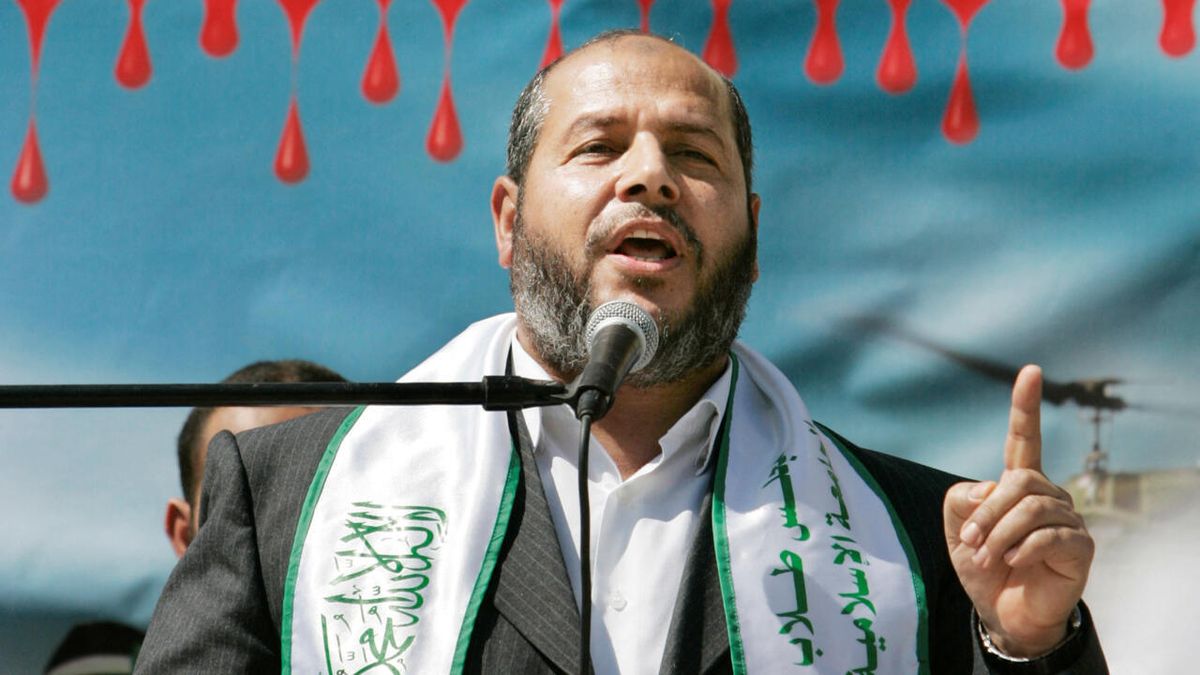
A Hamas delegation has arrived in Egypt for crucial talks with Egyptian intelligence chief Hassan Rashad, focusing on a post-war plan for Gaza. This US-backed, 15-point proposal, championed by President Trump's 'Board of Peace,' reportedly includes a conditional readiness from Hamas to disarm. However, Israeli Prime Minister Benjamin Netanyahu has outright rejected the plan, vowing no Israeli withdrawal from Gaza until Hamas is fully disarmed. US envoy Jared Kushner is expected in the region this week to try and bridge these significant differences.
The current diplomatic flurry reveals a complex web of incentives and constraints for all involved parties. For the United States, particularly the Trump administration, pushing a 'peace plan' signals a desire for a visible diplomatic achievement, potentially aimed at bolstering its international standing or securing domestic political points. The very existence of a 'Board of Peace' suggests an approach where solutions are crafted externally and then presented, rather than organically negotiated by the primary belligerents.
Egypt plays a critical mediating role, driven by its own strategic interests in regional stability and maintaining influence. Hosting these talks allows Cairo to assert its diplomatic weight and manage the security implications of a volatile Gaza Strip on its border. For Hamas, its stated readiness to disarm, even if conditional, represents a significant strategic pivot. This could be a calculated move to gain international legitimacy, deflect blame onto Israel for the ongoing stalemate, or a desperate attempt to alleviate the immense pressure and humanitarian crisis in Gaza following sustained conflict. It's a gamble to shift the political narrative.
On the other side, Israel's outright rejection, led by Prime Minister Netanyahu, is rooted in profound security concerns and domestic political realities. For Netanyahu, any plan that does not guarantee complete and verifiable disarmament of Hamas, thereby eliminating future threats, is politically untenable. His hardline stance appeals to a domestic audience demanding absolute security and reflects a deep-seated distrust of Hamas's intentions. This rejection underscores the fundamental difficulty of imposing an external solution when the core security demands of one party are perceived as unmet.
The most profound human cost of this diplomatic deadlock falls squarely on the people of Gaza. Still reeling from conflict, grappling with a severe humanitarian crisis, and living under an ongoing blockade, their future remains a pawn in a larger geopolitical game. The 'peace plan' is being discussed *about* them, not *with* them. Their voices, their immediate needs for reconstruction, economic recovery, and basic freedoms are largely absent from the high-level talks. The continued division between Palestinian factions further exacerbates this, leaving ordinary citizens without unified representation or a clear path forward. For them, the 'peace plan' offers little immediate relief, only continued uncertainty and suffering.
A critical omission from the public discourse is the precise details of Trump's 15-point plan. What are the specific security arrangements for Israel? What governance structures are proposed for Gaza? What are the economic provisions and guarantees for the Palestinian population? The lack of transparency allows each party to interpret or reject aspects based on their own narrow interests, rather than engaging with a comprehensive, shared understanding. This opacity inherently undermines the plan's credibility and viability.
Furthermore, the US's role as an 'honest broker' is significantly challenged when one of the primary parties (Israel) rejects the very plan it is pushing. This suggests the plan either failed to adequately address Israel's core security demands, or it was designed without sufficient input from all stakeholders, making it a non-starter from the outset. The internal political calculations within both Israel and Hamas—Netanyahu's need to maintain a strong security posture for his political survival, and Hamas's internal debates over strategy and survival post-conflict—are powerful, often unspoken drivers that heavily influence their public positions, frequently overriding genuine humanitarian considerations.
All eyes will now be on Jared Kushner's upcoming visit to the region. Will he manage to bridge the 'gaps' between Israel and Hamas, or will the US-backed plan effectively collapse, leaving a diplomatic vacuum? Readers should also watch Egypt's continued diplomatic efforts; Cairo's ability to find alternative pathways or modify the existing framework will be crucial. Any further deterioration of the humanitarian situation in Gaza could force a new urgency or spark renewed unrest, regardless of diplomatic talks. Finally, any subtle shifts in the stated positions of Israel or Hamas would indicate either a genuine concession or a strategic re-evaluation under sustained pressure, signaling the true direction of this stalled peace process.
Source referenced: FRANCE24
This brief was synthesized by our Editorial Engine and reviewed by The Ground Narrative team.


