TRENDING

Monday, 5 October 2026
----------------------
24 Rabi' Al-Thani 1448 AH
As Trump's envoys push for a Gaza peace plan, Israel's continued airstrikes and Hamas' rebuilding efforts threaten to derail the fragile process. The plan's success hinges on the ability of all parties to adhere to a ceasefire and make concessions. Meanwhile, the humanitarian crisis in Gaza deepens, with over 1,250 Palestinians killed since October, most of them civilians.
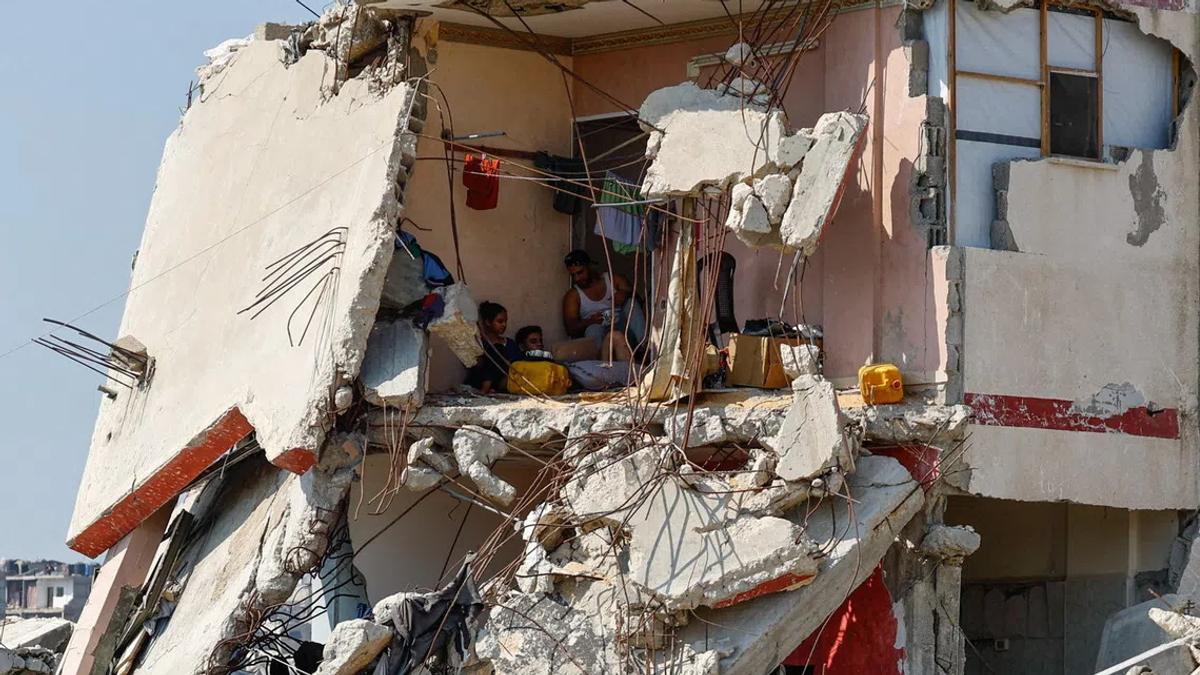
The United States, through the efforts of Trump's envoys, Jared Kushner and Nickolay Mladenov, is attempting to advance a peace plan for Gaza, with meetings held in Cairo with Egyptian, Qatari, and Turkish mediators. The plan aims to bring an end to the conflict between Israel and Hamas, with a proposed immediate cessation of military operations, the disarming of Hamas, and the rebuilding of Gaza under a new civilian Palestinian administration.
The power dynamics at play are complex, with multiple actors vying for influence. The United States, under the Trump administration, is seeking to broker a peace deal that would bolster its reputation as a mediator in the Middle East. Israel, however, is hesitant to agree to a plan that would require it to end targeted assassinations of Hamas militants and withdraw its troops from Gaza. Hamas, on the other hand, is seeking to rebuild its forces and maintain its grip on power in Gaza. The involvement of Egypt, Qatar, and Turkey as mediators adds another layer of complexity, as each of these countries has its own interests and agendas in the region.
The human cost of the conflict in Gaza is staggering, with over 1,250 Palestinians killed since October, most of them civilians. The continued airstrikes by Israel, despite the proposed peace plan, have resulted in further casualties and injuries. The people of Gaza are caught in the middle, with their lives and livelihoods hanging in the balance. The humanitarian crisis in Gaza is deepening, with many struggling to access basic necessities like food, water, and medical care.
What is being downplayed by powerful actors is the fact that the proposed peace plan is not a comprehensive solution to the conflict. The plan does not address the underlying issues, such as the Israeli occupation of Palestinian territories, the blockade of Gaza, and the lack of a clear political framework for a two-state solution. Furthermore, the plan's reliance on the disarming of Hamas and the rebuilding of Gaza under a new civilian administration raises questions about the legitimacy and representativeness of such an administration. The role of other regional actors, such as Iran, is also being downplayed, despite their significant influence over Hamas and the broader conflict.
As the peace plan moves forward, it is essential to watch for several key developments. Firstly, whether Israel will agree to a ceasefire and withdraw its troops from Gaza, as required by the plan. Secondly, whether Hamas will be able to maintain its grip on power in Gaza and adhere to the terms of the plan. Thirdly, how the international community, particularly the United States, will respond to any violations of the plan or setbacks in the peace process. Finally, how the people of Gaza will fare, and whether their basic needs will be met, as the conflict continues to unfold.
Editor's Note: The success of the peace plan is uncertain, and the situation on the ground is subject to change.
Source referenced: STRAITSTIMES
This brief was synthesized by our Editorial Engine and reviewed by The Ground Narrative team.