TRENDING

Monday, 5 October 2026
----------------------
24 Rabi' Al-Thani 1448 AH
A simple lighter, once disposable, has become a critical and expensive commodity in Gaza, revealing the human cost of the ongoing siege and its impact on basic survival.
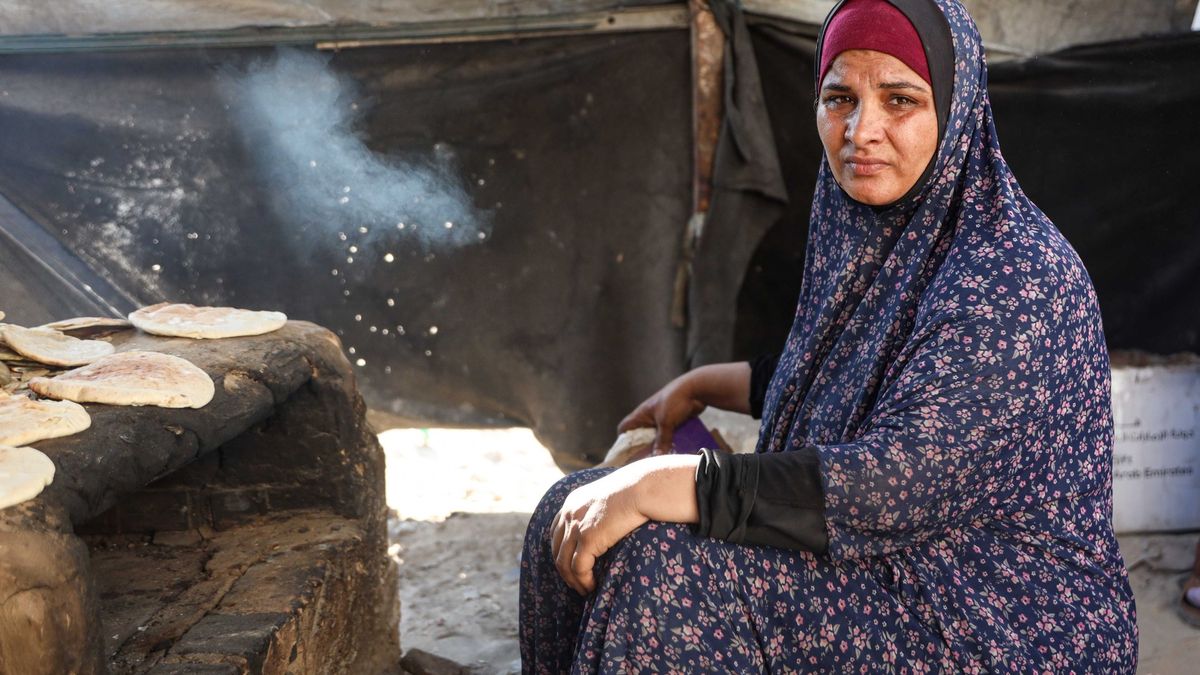
Since October 2023, the Gaza Strip has faced an escalating humanitarian crisis, pushing everyday essentials into the realm of luxury. Among the most telling examples is the humble lighter, once a disposable commodity, now a critical and expensive tool for survival. With cooking gas and fuel largely unavailable, residents rely on firewood for cooking, heating water, and baking bread. However, igniting these fires has become an arduous task, as new lighters are scarce and can cost upwards of $30, while repairs can still demand a significant $12. Families like Rabab Deifallah's are forced to choose between a lighter and a bag of flour, often sharing a single, battered lighter across multiple tents, or resorting to borrowing a spark from neighbors, highlighting the profound disruption to basic daily life under siege.
The transformation of a lighter into a precious commodity is a direct consequence of Israel's continued siege on Gaza, specifically its stringent control over the entry of goods. This control operates through a system that classifies numerous items as "dual-use," meaning they could potentially be diverted for military purposes. While the stated intention is security, the practical application of this policy extends to items as innocuous as lighters, which are reportedly prevented from entering the territory. This mechanism effectively starves the civilian market, creating artificial scarcity and hyper-inflation for basic necessities. The UN Office for the Coordination of Humanitarian Affairs (OCHA) and the Gaza Chamber of Commerce and Industry have consistently documented how these restrictions limit the flow of essential supplies, with daily truck entries remaining far below pre-war needs. This policy, whether intended or not, functions as a form of economic pressure, impacting the entire civilian population and distorting normal market functions, pushing the economy into a desperate survival mode where repair trades for previously disposable items emerge as vital services.
The human cost of this granular scarcity is borne by every family in Gaza. For mothers like Rabab Deifallah and Hasnaa Mansour, the absence of a simple lighter translates into cold meals for their children, days spent searching for a spark, and the agonizing choice between feeding their families or acquiring a tool essential for preparing food. The economic burden is immense; spending $12 on a lighter repair means $12 less for food, medicine, or other necessities in an already impoverished and devastated environment. Beyond the financial strain, there is the immeasurable cost to dignity and time. The simple act of preparing a hot meal, once taken for granted, becomes a daily struggle, consuming precious hours that could be spent on education, recovery, or simply resting. The reliance on neighbors for a spark, while fostering community, also underscores the profound vulnerability and lack of autonomy imposed by the blockade. New professions, like Tamer Al-Shawish's lighter repair stall, emerge not from innovation or opportunity, but from desperate necessity, reflecting a broken economy where survival dictates occupation.
What official statements and powerful actors often downplay or omit is the extent to which the "dual-use" classification, when applied to items like lighters, moves beyond legitimate security concerns to become a tool of broad civilian control and pressure. While preventing the entry of materials directly applicable to weapon manufacturing is understandable, the classification of lighters highlights an interpretation so expansive it impacts the most basic functions of daily life. This broad application effectively creates a regime of collective deprivation, where the entire population experiences hardship regardless of individual involvement in conflict. The discourse often focuses on large-scale humanitarian aid, but the micro-level deprivations, such as the lighter crisis, reveal the deep erosion of human agency and the normalization of extreme scarcity, which is rarely articulated in the language of international diplomacy or security briefings. The long-term impact on Gaza's social fabric, economic potential, and psychological well-being, stemming from such pervasive daily struggles, remains largely unaddressed in the broader geopolitical narrative.
As the siege continues, observers should watch for several key indicators. Firstly, any shifts in the "dual-use" lists and their application by Israeli authorities will be crucial. A relaxation, even for seemingly minor items, could signal a broader change in policy, while further tightening would deepen the crisis. Secondly, the response of international humanitarian organizations and states will be critical. Will there be increased pressure to rationalize the entry of civilian goods, or will the current status quo of managed deprivation continue? Finally, the ingenuity and resilience of Gazans in adapting to these extreme conditions will continue to evolve. The emergence of new repair economies and communal sharing mechanisms are testaments to this, but they also highlight the profound suffering. The true measure of any future "reconstruction" efforts will not just be the rebuilding of infrastructure, but the restoration of basic human dignity and the ability to access simple, everyday items without exorbitant cost or struggle.
Source referenced: ALJAZEERA
This brief was synthesized by our Editorial Engine and reviewed by The Ground Narrative team.


