TRENDING

Monday, 5 October 2026
----------------------
24 Rabi' Al-Thani 1448 AH
A year after the deaths of multiple journalists in Gaza, the systematic targeting of media professionals reveals a deliberate strategy to control information and obscure the human cost of conflict.
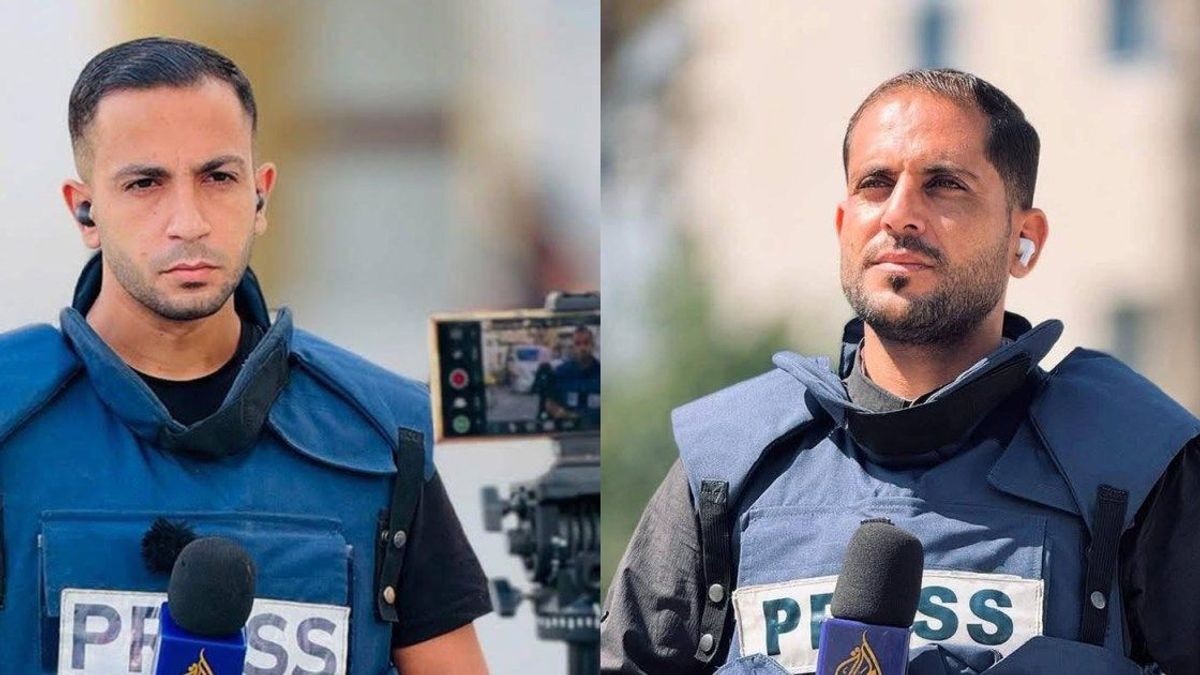
A year ago, on August 10, 2025, Al Jazeera correspondents Anas al-Sharif and Mohammed Qreiqeh, along with cameramen Mohammed Noufal and Ibrahim Zaher, were killed in an Israeli air strike on their tent outside al-Shifa Hospital in Gaza. This incident was part of a broader, sustained campaign that has seen hundreds of journalists and media workers killed in the Strip, often alongside their families, in what has become one of the deadliest conflicts for the press in modern history.
For any powerful actor engaged in a conflict, controlling the narrative is as critical as controlling territory. In Gaza, the systematic targeting of journalists, coupled with the prevention of foreign media access, serves a clear strategic purpose: to manage the information environment. By eliminating local journalists and restricting external reporting, a state can significantly reduce independent verification of events, shaping international perception and limiting scrutiny of its military operations. This approach leverages the power of absence – if a story isn't reported, or is reported only through official channels, its impact on global public opinion is diminished. The international community's muted responses to these killings, often limited to pro-forma condemnations, further emboldens this strategy, signaling a low political cost for actions that undermine press freedom and international law. This dynamic reveals a power structure where the imperative of national security, as defined by the state, often overrides the universal right to information and the protection of those who provide it.
The human cost of this information war is borne first and foremost by the journalists and their families. They face not only the direct threat of violence but also displacement, the loss of their homes and offices, and the profound psychological trauma of reporting on a conflict that directly impacts their own lives and loved ones. When a journalist's family is targeted, or they are left to bleed out for hours awaiting permission for rescue, the message is clear: the press vest offers no sanctuary. Beyond the immediate victims, the broader population of Gaza pays an immense price. With independent voices silenced and external access denied, their experiences, suffering, and perspectives are largely filtered or entirely omitted from the global discourse. This isolation exacerbates their vulnerability, making it harder for humanitarian aid to be effectively advocated for and for international pressure to be mounted against actions that violate human rights. The world loses crucial insight into the realities on the ground, leaving citizens everywhere less informed and less able to hold powerful actors accountable.
What is routinely downplayed or omitted by powerful actors, particularly those involved in the conflict and their allies, is the deliberate and strategic nature of targeting journalists. Official statements often attribute such deaths to the unavoidable chaos of war, or suggest that journalists were operating in dangerous areas. This framing conveniently ignores the patterns of targeting, the documented instances of attacks on clearly marked press personnel, and the specific denial of access to foreign journalists. The narrative avoids acknowledging that controlling information is a key component of modern warfare, and that silencing independent media is an effective, albeit internationally condemned, tactic. Furthermore, the international community's collective inaction, or its issuance of weak, non-binding statements, often omits the deeper truth: that a failure to robustly defend press freedom in one conflict zone sets a dangerous precedent, eroding the protections for journalists globally and undermining the very foundations of transparent governance and international law.
Moving forward, several critical dynamics bear watching. Firstly, observe whether international bodies and press freedom organizations will move beyond condemnations to initiate independent investigations and pursue accountability for the killings of journalists in Gaza. The credibility of these institutions is at stake. Secondly, monitor the long-term strategies employed by the Israeli government regarding media access to Gaza; any sustained blockade of foreign press will signal a continued commitment to information control. Thirdly, pay attention to the resilience and ingenuity of local journalists who remain in Gaza. Their continued efforts to document events, often through citizen journalism and direct social media engagement, will be crucial in piercing through information blockades. Finally, watch for shifts in global public opinion as more details emerge, potentially driven by the persistent work of surviving journalists and human rights advocates, which could eventually compel more robust international responses.
Source referenced: ALJAZEERA
This brief was synthesized by our Editorial Engine and reviewed by The Ground Narrative team.


