TRENDING

Monday, 5 October 2026
----------------------
24 Rabi' Al-Thani 1448 AH
The recovery of 19 bodies from a destroyed Gaza building highlights the ongoing humanitarian crisis in the region, with over 8,000 people still missing and a chronic shortage of heavy machinery hindering rescue efforts. The situation underscores the devastating human cost of conflict and the need for urgent international attention.
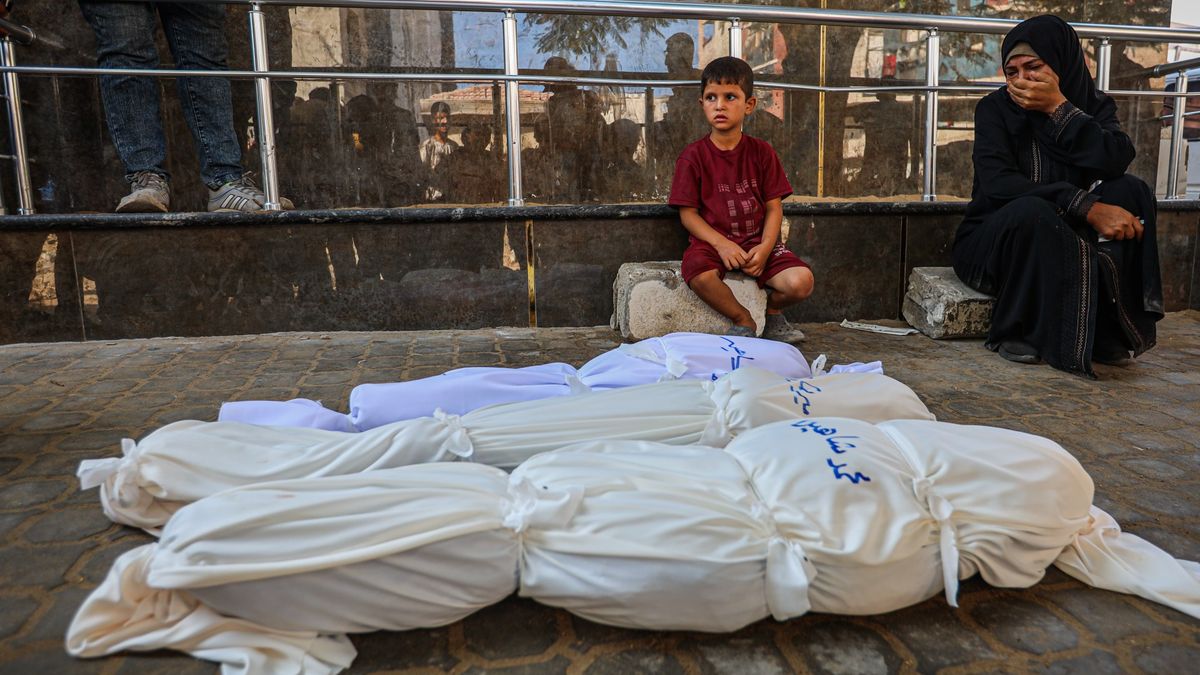
In the latest grim reminder of the ongoing humanitarian crisis in Gaza, crews have recovered 19 bodies, mostly women and children, from the rubble of a destroyed residential building in Gaza City. This recovery effort, which concluded on Saturday, is part of a larger, painstakingly slow process to retrieve the dead from beneath Gaza's ruins, hampered by a severe lack of heavy machinery.
The situation in Gaza is a stark illustration of the power dynamics at play in the region. Israel's military actions, coupled with the international community's inability or unwillingness to intervene effectively, have created a humanitarian disaster. The lack of heavy machinery for rescue efforts is not just a logistical issue but also a symptom of the economic blockade and restrictions imposed on Gaza, which limit the entry of essential goods and equipment. This blockade, in turn, is a tool of political leverage, used to exert control over the population and undermine the capacity of local authorities.
The human toll of this conflict is devastating. Over 8,000 people remain missing under the rubble, and the recovery of bodies is a constant reminder of the lives lost. The 1,254 people killed and 4,121 wounded since the ceasefire in October last year are stark numbers that represent real families torn apart. The overall death toll since October 2023, exceeding 73,300, with more than 174,000 wounded, paints a picture of unimaginable suffering. It is women, children, and the most vulnerable who bear the brunt of this conflict, their lives lost or forever changed by the violence.
What is often downplayed or omitted in official statements is the systematic nature of the destruction and the deliberate targeting of civilian infrastructure. The use of disproportionate force and the failure to distinguish between military targets and civilians are critical aspects of the conflict that are frequently glossed over. Furthermore, the role of international powers in either supporting or failing to condemn these actions is a part of the narrative that is often missing. The economic interests and political alliances that underpin the conflict are also rarely discussed, despite their significant impact on the situation on the ground.
As the situation in Gaza continues to unfold, several key factors will be crucial to watch. The international community's response to the humanitarian crisis will be telling, particularly in terms of aid delivery and support for reconstruction efforts. The ability of local authorities to cope with the disaster and the resilience of the population in the face of unimaginable hardship will also be important to follow. Moreover, any shifts in the political landscape, either within the region or among international actors, could significantly impact the trajectory of the conflict and the prospects for peace.
Editor's Note: The analysis is based on publicly available data and may not reflect the full complexity of the situation on the ground due to limitations in access to information.
Source referenced: ALJAZEERA
This brief was synthesized by our Editorial Engine and reviewed by The Ground Narrative team.


