TRENDING

Sunday, 25 October 2026
----------------------
14 Jumada Al-Awwal 1448 AH
France has witnessed its worst wildfire season on record, with nearly 98,000 hectares burned. The devastating blazes pose a significant threat to regional stability and global climate efforts.
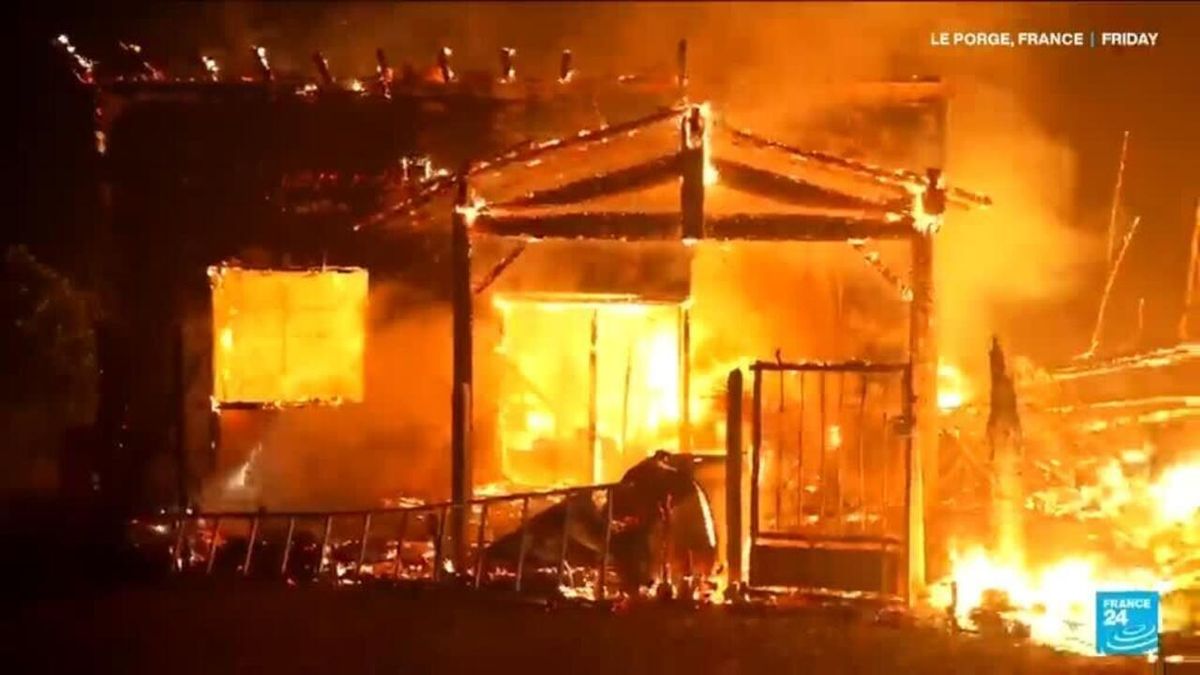
The French government has declared a historic record of nearly 98,000 hectares burned in the country, marking a devastating milestone in the ongoing wildfire season. The threat posed by the raging wildfires in the southwestern department of Gironde remains very serious, with top regional official Sophie Brocas warning of a grave situation.
The scale of the wildfires in France is a stark reminder of the escalating climate crisis in Europe. Rising temperatures and changing weather patterns are exacerbating the risk of wildfires, posing a significant threat to regional stability and global climate efforts. The European Union has been at the forefront of climate action, with ambitious targets to reduce greenhouse gas emissions and transition to renewable energy. However, the recent wildfires in France and Spain highlight the need for more effective climate policies and emergency preparedness measures.
France has experienced a series of severe heatwaves and droughts in recent years, which have contributed to the spread of wildfires. The country's climate has been warming at a rate twice as fast as the global average, making it more vulnerable to extreme weather events. The current wildfire season is a direct consequence of these climate trends, which have been exacerbated by human activities such as deforestation and land degradation.
The wildfires in France have significant regional implications, particularly for the European Union's climate policies and emergency response mechanisms. The EU has been working to develop a comprehensive climate strategy, which includes measures to reduce greenhouse gas emissions, promote sustainable land use, and enhance disaster resilience. However, the recent wildfires highlight the need for more effective climate policies and emergency preparedness measures to mitigate the impact of extreme weather events.
The future consequences of the wildfires in France are far-reaching, with potential impacts on regional stability, global climate efforts, and human security. The devastating blazes have already forced thousands of people to evacuate, causing significant economic losses and displacement. The long-term consequences of the wildfires will depend on the effectiveness of climate policies and emergency response measures, as well as the ability of governments and international organizations to work together to address the climate crisis.
The wildfires in France are a wake-up call for climate action, highlighting the need for more effective climate policies and emergency preparedness measures. The European Union must work to develop a comprehensive climate strategy, which includes measures to reduce greenhouse gas emissions, promote sustainable land use, and enhance disaster resilience. International cooperation is also essential to address the climate crisis, with a focus on sharing best practices, providing technical assistance, and mobilizing climate finance.
Editor's Note: The long-term consequences of the wildfires in France are uncertain and subject to change, depending on the effectiveness of climate policies and emergency response measures.
Source referenced: FRANCE24
This brief was synthesized by our Editorial Engine and reviewed by The Ground Narrative team.