TRENDING

Sunday, 18 October 2026
----------------------
7 Jumada Al-Awwal 1448 AH
A fast-moving wildfire in southern France has forced evacuations and damaged homes, highlighting regional vulnerabilities and the impact of climate change.
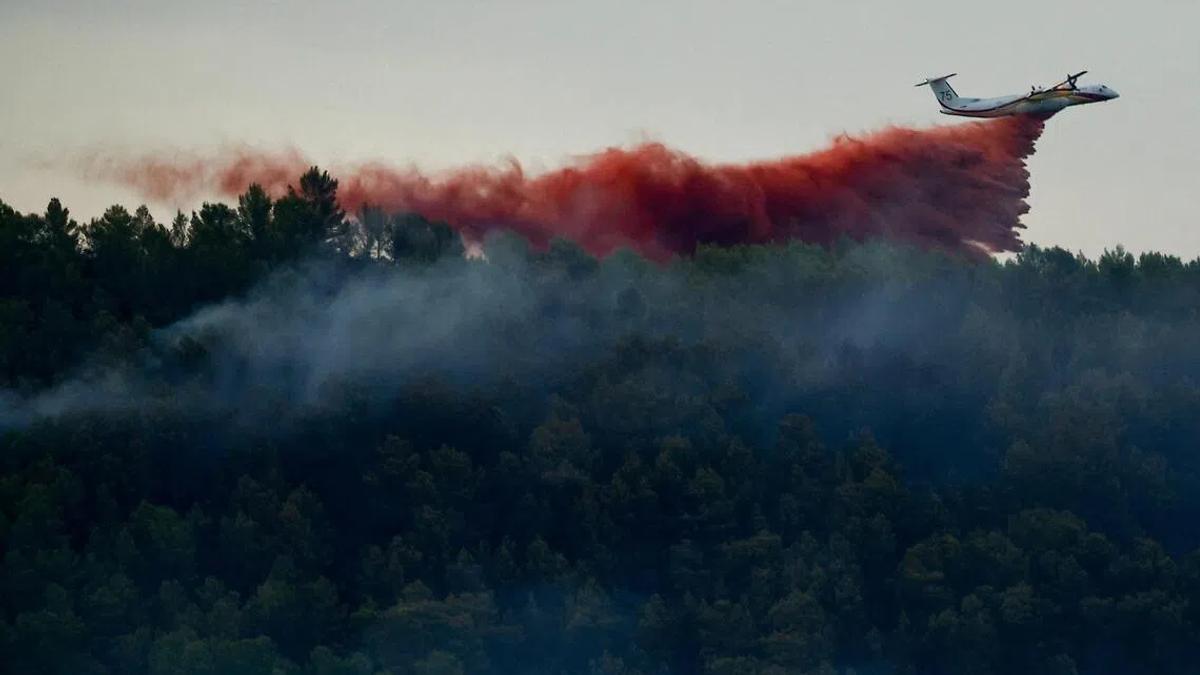
A devastating wildfire in southern France has left a trail of destruction, forcing the evacuation of 150 people and damaging or burning 19 homes near Draguignan and Les Arcs-sur-Argens. The blaze, which burned nearly 200 hectares, was exacerbated by strong winds, dry vegetation, and a heatwave with temperatures over 40°C.
A fast-moving wildfire broke out near the town of Draguignan in the Mediterranean Var region, forcing authorities to evacuate 150 people from two affected towns. The fire burned 10 homes, damaged nine others, and left one firefighter with minor injuries. Over 600 firefighters, water-bombing aircraft, and helicopters fought the blaze, which was still not fully controlled by late July 19.
The wildfire highlights the regional vulnerabilities of southern France, which has been experiencing a prolonged heatwave. The fire's rapid spread was fueled by strong winds, dry vegetation, and high temperatures, making it a prime example of the devastating impact of climate change. The region's infrastructure, including roads and rail services, was severely disrupted, causing widespread inconvenience to residents and tourists.
The French government's response to the wildfire, including the deployment of over 600 firefighters and water-bombing aircraft, demonstrates its commitment to protecting its citizens and infrastructure. However, the incident also raises questions about the country's preparedness for climate-related disasters and its ability to mitigate their impact.
France has experienced several wildfires in recent years, including a major blaze in 2022 that burned over 1,000 hectares of land. The country's Mediterranean region is particularly prone to wildfires due to its dry climate and vegetation. The current heatwave, which has seen temperatures soar above 40°C, has exacerbated the risk of wildfires in the region.
The wildfire has significant regional implications, particularly for the Var region, which has been experiencing a prolonged heatwave. The incident highlights the need for improved infrastructure, including fire-resistant buildings and better emergency response systems. It also underscores the importance of climate change mitigation and adaptation strategies, including reforestation and sustainable land use practices.
The wildfire has far-reaching consequences for the region, including the potential for long-term damage to the environment and economy. The incident also raises questions about the country's ability to respond to climate-related disasters and its preparedness for future wildfires. As the world grapples with the impacts of climate change, the France wildfire serves as a stark reminder of the need for collective action to mitigate its effects.
The France wildfire is a stark reminder of the devastating impact of climate change on regional communities. The incident highlights the need for improved infrastructure, climate change mitigation and adaptation strategies, and better emergency response systems. As the world continues to grapple with the challenges of climate change, the France wildfire serves as a powerful reminder of the importance of collective action and regional cooperation.
Editor's Note: The analysis is based on available data and information, but some aspects of the wildfire's impact and the region's preparedness may be subject to further investigation and clarification.
Source referenced: STRAITSTIMES
This brief was synthesized by our Editorial Engine and reviewed by The Ground Narrative team.


