TRENDING

Monday, 5 October 2026
----------------------
24 Rabi' Al-Thani 1448 AH
FIFA President Gianni Infantino has survived a leadership crisis, but the episode has intensified scrutiny of his leadership and the organization's finances. As the world's most popular sport, football is a multibillion-dollar industry with far-reaching implications for global politics and economies.
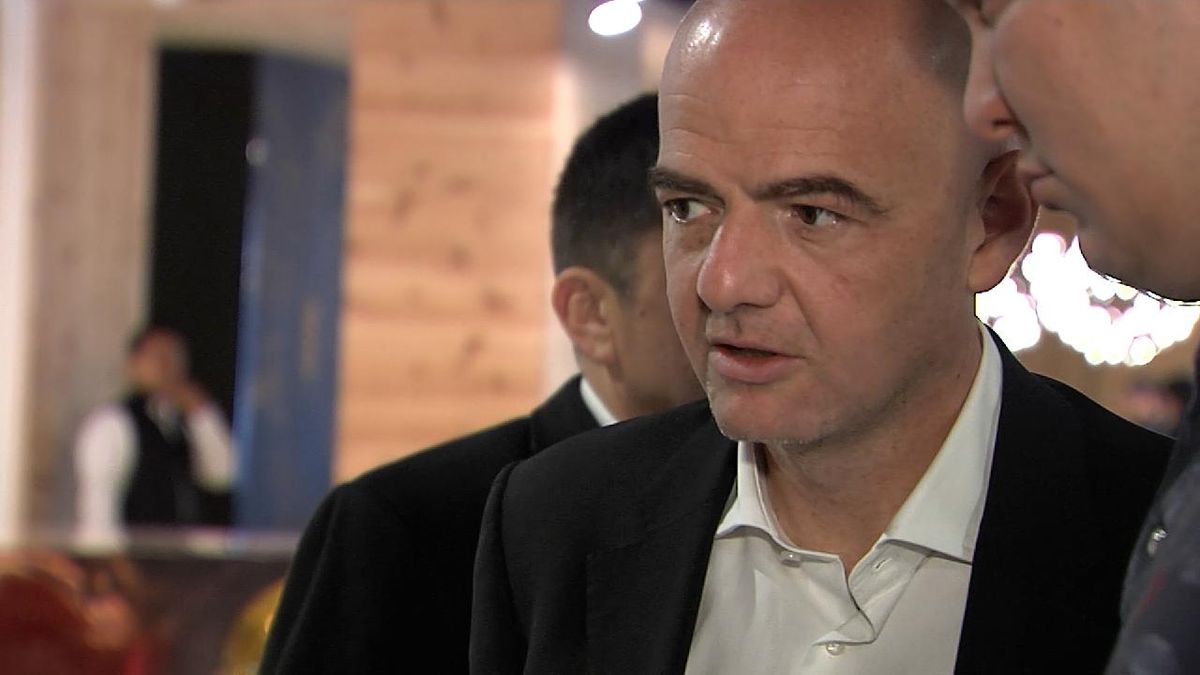
FIFA President Gianni Infantino has secured the backing of the organization's leadership following emergency talks in Morocco over a controversial proposal to sell stakes in future World Cup tournaments to private investors. The proposal has sparked intense scrutiny of Infantino's leadership and the organization's finances.
The FIFA leadership crisis is a classic example of the power struggle between different factions within the organization. On one hand, Infantino and his allies are pushing for greater commercialization of the World Cup, which would generate significant revenue for FIFA and its partners. On the other hand, critics argue that this would compromise the integrity of the sport and benefit only a select few. The fact that Infantino has survived this crisis suggests that he still maintains significant support within the organization, but the episode has also highlighted the deep-seated divisions within FIFA.
The FIFA leadership crisis has significant implications for the millions of football fans around the world who are passionate about the sport. The commercialization of the World Cup could lead to higher ticket prices, more expensive broadcasting rights, and a greater emphasis on profit over people. Furthermore, the lack of transparency and accountability within FIFA has led to widespread corruption and abuse of power, which undermines the trust and faith of fans in the organization. The people who weren't in the room during the emergency talks in Morocco are the fans, the players, and the coaches who are the lifeblood of the sport.
What are Infantino and FIFA not telling us about the proposed sale of stakes in future World Cup tournaments? The part no one is talking about is the potential impact on the sport's grassroots development and the distribution of revenue to smaller football associations. The fact that FIFA is considering selling stakes to private investors suggests that the organization is prioritizing short-term financial gains over long-term sustainability and development. This raises important questions about the organization's commitment to promoting the sport and supporting its members.
As the FIFA presidential election approaches, the next turning points will be the candidates' positions on the commercialization of the World Cup and the organization's finances. Will Infantino's opponents capitalize on the controversy surrounding the proposed sale of stakes in future World Cup tournaments, or will they offer alternative visions for the organization's future? The outcome of the election will have significant implications for the sport, its fans, and its stakeholders, and it is essential to watch the developments closely.
Editor's Note: The analysis is based on publicly available information and may not reflect the full complexity of the situation.
Source referenced: CGTN
This brief was synthesized by our Editorial Engine and reviewed by The Ground Narrative team.


