TRENDING

Saturday, 24 October 2026
----------------------
13 Jumada Al-Awwal 1448 AH
Massive wildfires are ravaging southwestern France and parts of Spain, forcing over 250,000 evacuations and prompting high-level crisis meetings. The 'unprecedented' scale of these blazes highlights escalating climate change impacts and significant economic disruption across the region.
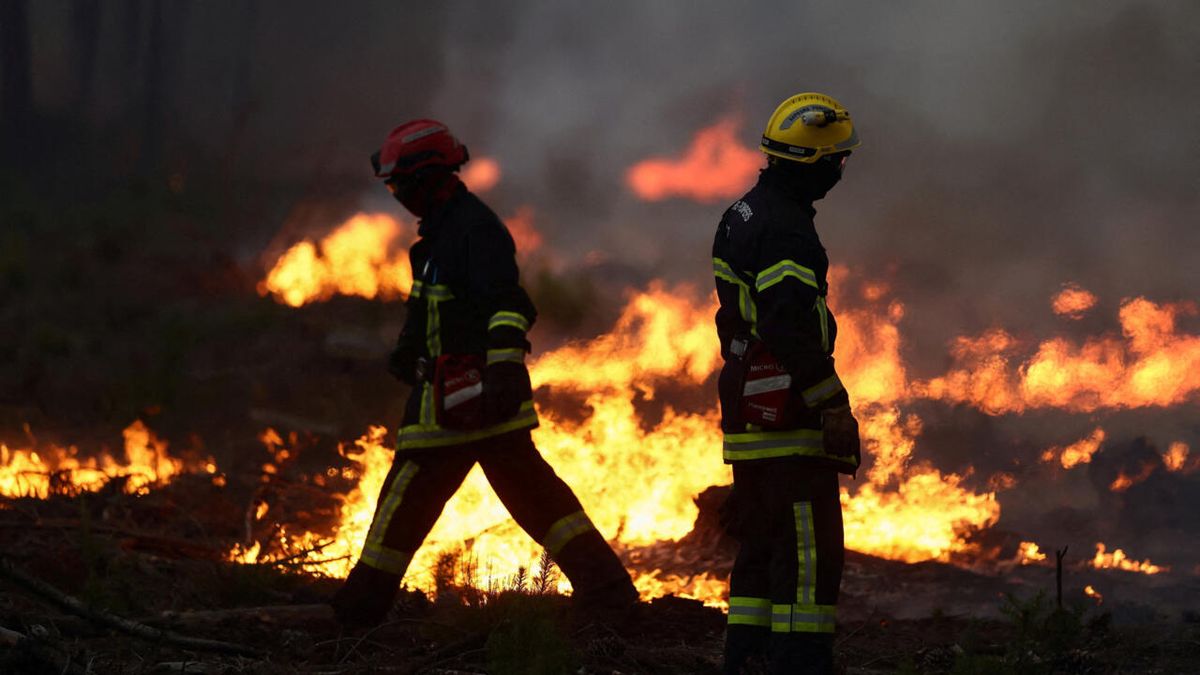
As of July 27, 2026, France and Spain are battling a series of devastating wildfires that have forced the evacuation of over 250,000 people in France alone, with a combined total of 300,000 across both nations. The crisis has prompted urgent high-level responses, including a crisis cabinet meeting chaired by French President Emmanuel Macron and a visit by Spanish Prime Minister Pedro Sanchez to affected areas in Valencia. These events underscore a growing environmental and economic challenge for Southern Europe, driven by worsening drought conditions, heatwaves, and water shortages.
The fires, described by French Interior Minister Laurent Nunez as having burned 115,000 hectares in France since the start of the year—"far more than anything we have seen in the past"—are concentrated in southwestern France, particularly the Gironde and Landes regions near Bordeaux, and the Mediterranean Var region. In Spain, significant blazes are being fought in Valencia and near Madrid, where some evacuations are beginning to see residents return. The sheer scale of the disaster has necessitated the deployment of substantial resources, including 2,500 firefighters (supported by a Swiss team), 1,500 military personnel, and 1,200 police in Gironde alone.
The immediate impact is profoundly humanitarian and economic. The mass evacuations represent one of France's largest peacetime displacements, creating significant logistical and social challenges for local authorities. French Finance Minister Roland Lescure characterized the economic blow to the Bordeaux region as a "clap of thunder," highlighting the severe disruption to local economies heavily reliant on tourism and agriculture. The cancellation of holiday camps and the urging for tourists to avoid affected areas will have a cascading effect on regional businesses, potentially leading to substantial financial losses and a prolonged recovery period. This economic vulnerability, particularly in key European tourist destinations, poses a broader concern for the continent's economic stability.
From a geopolitical perspective, these wildfires serve as a stark reminder of climate change's escalating role as a security threat multiplier. The increasing frequency, intensity, and geographical spread of such "unprecedented" events across Europe are no longer isolated incidents but rather systemic challenges that demand a re-evaluation of national and regional security paradigms. The need for international assistance, such as the deployment of Swiss firefighters, underscores the limitations of individual national capacities in the face of large-scale environmental disasters and highlights the growing imperative for enhanced European Union-level civil protection mechanisms and cross-border cooperation. This shared vulnerability could either strain or strengthen intra-European solidarity, depending on the effectiveness of coordinated responses.
The crisis also tests governmental resilience and public trust. The high-level crisis meetings by President Macron and Prime Minister Sanchez reflect the immense political pressure to manage these disasters effectively. Inadequate responses could fuel public discontent, potentially impacting political stability and the legitimacy of climate policies. Furthermore, the long-term costs associated with disaster response, recovery, and preventative measures (such as forest management and infrastructure hardening) will place significant strain on national budgets, potentially diverting funds from other strategic priorities.
Looking ahead, the recurring nature of these intense wildfires necessitates a fundamental shift in strategic planning. European nations must invest more heavily in climate adaptation strategies, including advanced early warning systems, improved forest management practices, enhanced firefighting capabilities, and resilient infrastructure. The current events in France and Spain are not merely a seasonal challenge but a persistent and intensifying threat that will continue to shape environmental policy, economic planning, and international cooperation across the European continent for years to come. The scale of the destruction and displacement signals a new era of environmental challenges that demand a unified and proactive European response to safeguard its populations, economies, and stability.
Source referenced: FRANCE24
This brief was synthesized by our Editorial Engine and reviewed by The Ground Narrative team.


