TRENDING

Sunday, 25 October 2026
----------------------
14 Jumada Al-Awwal 1448 AH
The recent wildfires in western and southern Europe have raised concerns about the region's preparedness to cope with extreme weather events, highlighting the need for collective action to address climate change.
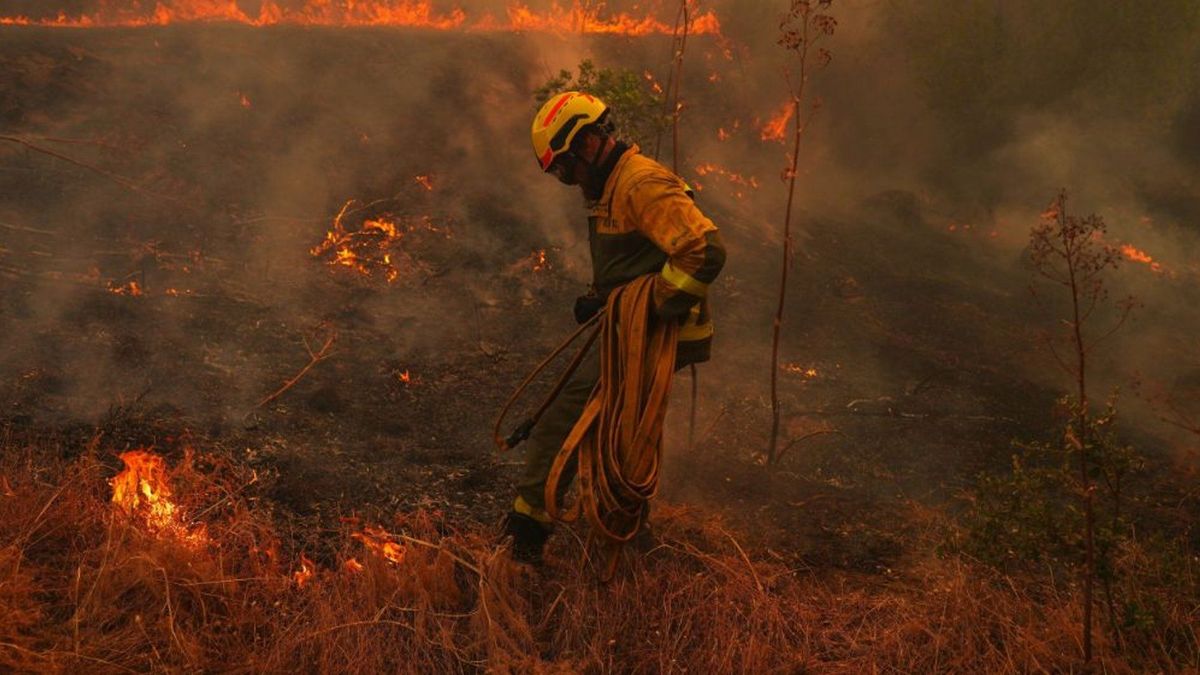
The ongoing wildfires in western and southern Europe have left a trail of destruction, with France and Spain being the hardest hit. The World Health Organization has warned that climate change is contributing to the frequency and intensity of these fires. This is evident in the record temperatures and successive heatwaves seen across the continent since May.
Climate change has been a pressing concern for Europe for several years, with the region experiencing an increase in extreme weather events such as heatwaves, droughts, and heavy rainfall. The European Union has implemented various policies to reduce greenhouse gas emissions and promote sustainable development. However, the recent wildfires have highlighted the need for more effective measures to mitigate the impacts of climate change.
The wildfires in Europe are not only a humanitarian crisis but also a strategic challenge for the region. The deployment of thousands of firefighters and the sending of assistance from neighboring countries demonstrate the complexity of the situation. The European Union's response to the crisis has been coordinated, with the European Commission providing financial assistance and the European Union's Emergency Response Coordination Centre (ERCC) coordinating the relief efforts.
The wildfires in Europe have regional implications, particularly for the Mediterranean region. The region is already vulnerable to climate change, with many countries experiencing droughts, heatwaves, and water scarcity. The recent wildfires have highlighted the need for collective action to address climate change and promote sustainable development in the region.
The future consequences of the wildfires in Europe are uncertain, but they are likely to have significant impacts on the region's economy, environment, and human security. The European Union's response to the crisis will be crucial in determining the long-term consequences of the wildfires. The region's preparedness to cope with extreme weather events will be tested, and the need for collective action to address climate change will be reinforced.
The wildfires in Europe are a symptom of climate change and regional instability. The European Union's response to the crisis has been coordinated, but more effective measures are needed to mitigate the impacts of climate change. The region's preparedness to cope with extreme weather events will be tested, and the need for collective action to address climate change will be reinforced.
* The European Union should implement more effective measures to reduce greenhouse gas emissions and promote sustainable development.
* The region's preparedness to cope with extreme weather events should be strengthened through the development of early warning systems and emergency response plans.
* Collective action is needed to address climate change and promote sustainable development in the Mediterranean region.
Source referenced: ALJAZEERA
This brief was synthesized by our Editorial Engine and reviewed by The Ground Narrative team.