TRENDING

Monday, 5 October 2026
----------------------
24 Rabi' Al-Thani 1448 AH
Record heatwaves across Europe have laid bare a systemic crisis of overcrowding and deteriorating conditions within the continent's prison systems. Inmates in France, Italy, and Belgium are enduring inhumane temperatures, revealing a deeper political reluctance to address long-standing infrastructure failures.
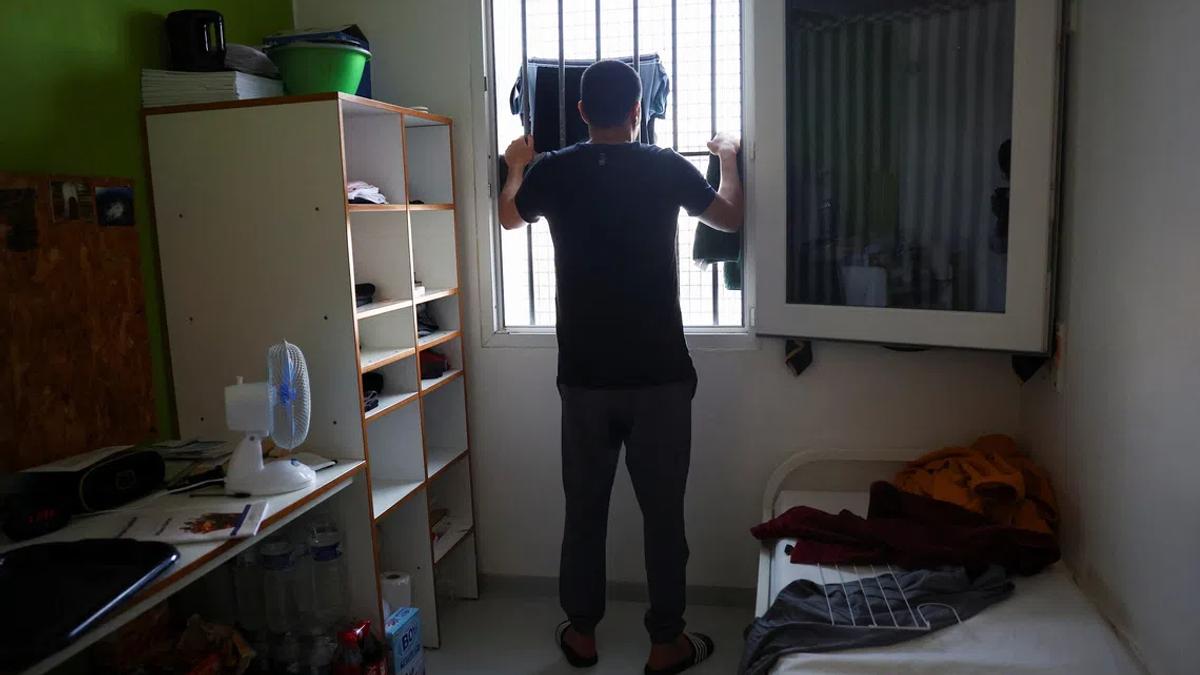
As Europe grappled with scorching heatwaves in 2026, a silent crisis intensified within its prison walls. In France, Italy, and Belgium, already strained correctional facilities, many of them decades old and severely overcrowded, became unbearable ovens. Inmates reported suffocating conditions, with some passing out from the heat, leading to increased tensions and incidents. Authorities responded with short-term measures like extra water, showers, fans, and sun cream, but the extreme temperatures highlighted a deeper, systemic failure in how these nations manage their incarcerated populations.
The underlying forces at play are a complex blend of political calculus and economic priorities. European governments, while often vocal about human rights on the international stage, face little domestic political incentive to invest substantially in prison reform. As one Belgian prison director candidly noted, "Nobody wins votes by saying they are going to build or renovate prisons because it’s too hot in the summer." This sentiment encapsulates the core power mechanic: a 'tough on crime' stance often resonates more with voters than advocating for improved conditions for prisoners, leading to policies that increase incarceration rates without corresponding investment in infrastructure.
This political disincentive translates into chronic underfunding. Budgets are allocated for immediate, visible needs, while long-term capital projects like building new facilities or extensively renovating old ones are consistently deferred. Italy, for instance, pledged 10,000 new prison spaces by the end of 2026, yet ministry data shows none have materialized. The focus remains on reactive, temporary fixes rather than proactive, systemic change, perpetuating a cycle of overcrowding that reaches critical levels during environmental stressors like heatwaves.
The human cost of this neglect is borne directly by the inmates and, indirectly, by the staff tasked with managing them. In France, a 29-year-old prisoner named Manu described trying to move as little as possible, wrapping wet towels around window bars in a desperate attempt to cool his cell. Another inmate in Limoges reportedly passed out from the heat, sustaining a head injury. These are not isolated incidents but symptoms of a broader crisis where individuals are confined to cells designed for fewer people, in buildings without adequate ventilation or air conditioning, for up to 20 hours a day.
Activists in Italy described these conditions as "inhumane," highlighting the lack of basic amenities like refrigerators and fans. Beyond the physical suffering, the extreme heat exacerbates mental strain and increases aggression, leading to more fights among inmates and confrontations with staff. Prison officers, already working in challenging environments, face heightened risks and stress, making their jobs even more precarious. The families of those incarcerated also bear a hidden emotional toll, knowing their loved ones are enduring such conditions with little recourse.
What governments and official statements consistently downplay or omit is the systemic nature of this crisis. They frame the problem as a consequence of "heatwaves" rather than a symptom of decades of policy choices and underinvestment. The reality is that the heatwaves merely exposed a pre-existing, structural vulnerability in Europe's justice systems. The public discourse rarely connects the dots between punitive sentencing policies, stagnant prison infrastructure budgets, and the resulting humanitarian conditions.
Furthermore, the political courage required to address this issue is conspicuously absent. While short-term relief measures are announced, the deeper conversation about reducing overcrowding through alternative sentencing, investing heavily in modern facilities, or fundamentally rethinking the purpose of incarceration is largely avoided. The paradox is stark: nations that pride themselves on upholding human rights often fail to ensure basic dignity for those within their own correctional systems, a fact conveniently overlooked in public statements that focus on immediate, superficial responses.
Going forward, several critical developments bear watching. First, will the temporary measures implemented during these heatwaves become the de facto standard, or will public and activist pressure force a shift towards genuine, long-term reform? Second, as climate change intensifies, heatwaves will become more frequent and severe, transforming this episodic crisis into a permanent challenge. How will European nations adapt their infrastructure and legal frameworks to this new reality?
Finally, the true test will be whether any European government demonstrates the political will to undertake comprehensive prison reform, even if it lacks immediate electoral appeal. This would involve not just building more cells, but re-evaluating sentencing guidelines, investing in rehabilitation programs, and ensuring that the deprivation of liberty does not equate to the deprivation of fundamental human dignity. The current trajectory suggests a continued cycle of crisis management, but the mounting human cost may eventually force a reckoning.
Source referenced: STRAITSTIMES
This brief was synthesized by our Editorial Engine and reviewed by The Ground Narrative team.


