TRENDING

Monday, 5 October 2026
----------------------
24 Rabi' Al-Thani 1448 AH
A relentless heatwave grips Europe, pushing temperatures past 35C for millions and exposing critical vulnerabilities in public services and infrastructure. This crisis highlights the human cost of climate inaction and the systemic pressures on ordinary citizens.
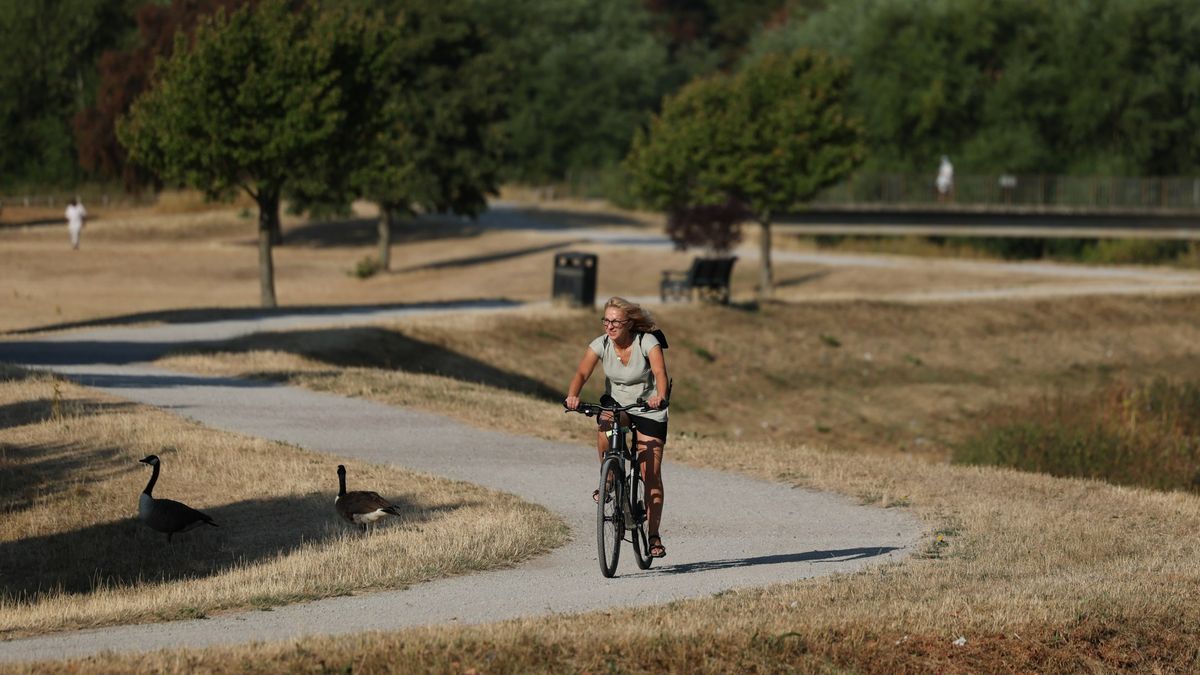
Europe is currently enduring a widespread and intense heatwave, with over 135 million people, primarily across France, Italy, Spain, and the United Kingdom, experiencing temperatures exceeding 35 degrees Celsius. Forecasts suggest nearly 340 million Europeans will face temperatures above 30C, marking the fifth such event this summer for countries like the UK and France, and pushing national temperature records. This extreme weather is not merely an inconvenience; it is a direct and immediate stress test on the continent's infrastructure and public services.
The power dynamics at play are a stark illustration of the long-term consequences of short-term political and economic calculations. For decades, governments across Europe have acknowledged the reality of climate change, yet the scale and speed of adaptation measures have consistently lagged behind scientific warnings. The structural forces here are complex: political survival often prioritizes immediate economic growth and fiscal prudence over costly, long-term infrastructure overhauls. Investing in climate resilience, such as retrofitting public buildings with adequate cooling systems or upgrading water management, is a significant financial undertaking that yields diffuse, future benefits, making it a difficult sell in electoral cycles focused on quarterly results. This creates a powerful incentive to defer, to incrementalize, rather than to fundamentally transform. The current heatwave exposes the fragility of this approach, as public health systems, agricultural sectors, and daily life buckle under conditions that were once considered exceptional but are now becoming the norm.
The human cost of this heatwave is immediate and severe, though often underreported in official statistics. The Royal College of Nursing in the UK has described conditions within parts of the National Health Service as “impossible and inhumane,” with staff collapsing, experiencing heat-related seizures, and pregnant nurses working in temperatures exceeding 30C without adequate air conditioning or ventilation. Beyond healthcare workers, the elderly, the chronically ill, and those in low-income brackets who cannot afford cooling systems or energy-intensive air conditioning bear a disproportionate burden. Outdoor workers, from construction to agriculture, face direct health risks. The widespread drought accompanying the heat also hits farmers hard, threatening crop yields and livelihoods, creating a ripple effect through local economies and food supply chains. These are the people who were not in the boardrooms or parliamentary chambers when climate policies were debated and often diluted.
What powerful actors are downplaying or omitting in their statements is the extent of systemic underinvestment in climate-resilient infrastructure. While official statements often focus on immediate emergency responses and calls for individual responsibility (like staying hydrated), they rarely delve into the decades of neglect that left public services, particularly hospitals and schools, ill-equipped for sustained extreme heat. Many European buildings, designed for cooler climates, lack modern insulation, efficient cooling systems, or even basic ventilation to cope with temperatures now regularly exceeding 35C. The narrative often frames these events as 'natural disasters' rather than predictable outcomes exacerbated by human activity and insufficient preparation. Furthermore, the long-term economic drain from lost productivity, increased healthcare costs, and agricultural losses is frequently minimized against the perceived upfront cost of aggressive climate mitigation and adaptation strategies.
As Europe navigates this immediate crisis, several critical indicators will reveal the true trajectory of power and policy. Watch for significant shifts in national budgets towards climate adaptation, particularly in public health and infrastructure. Will governments move beyond rhetoric to implement mandatory cooling standards for public buildings, or invest heavily in resilient water management systems? Observe the political fallout: will public pressure translate into electoral consequences for parties perceived as inactive on climate change? Also, monitor the agricultural sector for long-term impacts on food security and prices, and potential shifts in crop cultivation. Finally, observe whether this summer's events accelerate or hinder the European Union's collective climate action, as national interests in crisis management may diverge from broader bloc-wide strategies. The question is no longer *if* these events will happen, but how quickly societies can adapt to a new, hotter reality.
Source referenced: ALJAZEERA
This brief was synthesized by our Editorial Engine and reviewed by The Ground Narrative team.