TRENDING

Monday, 5 October 2026
----------------------
24 Rabi' Al-Thani 1448 AH
A prolonged heatwave in Europe is driving demand for cooling technology, particularly portable air conditioners, as the continent's built environment struggles to accommodate conventional air conditioning units.
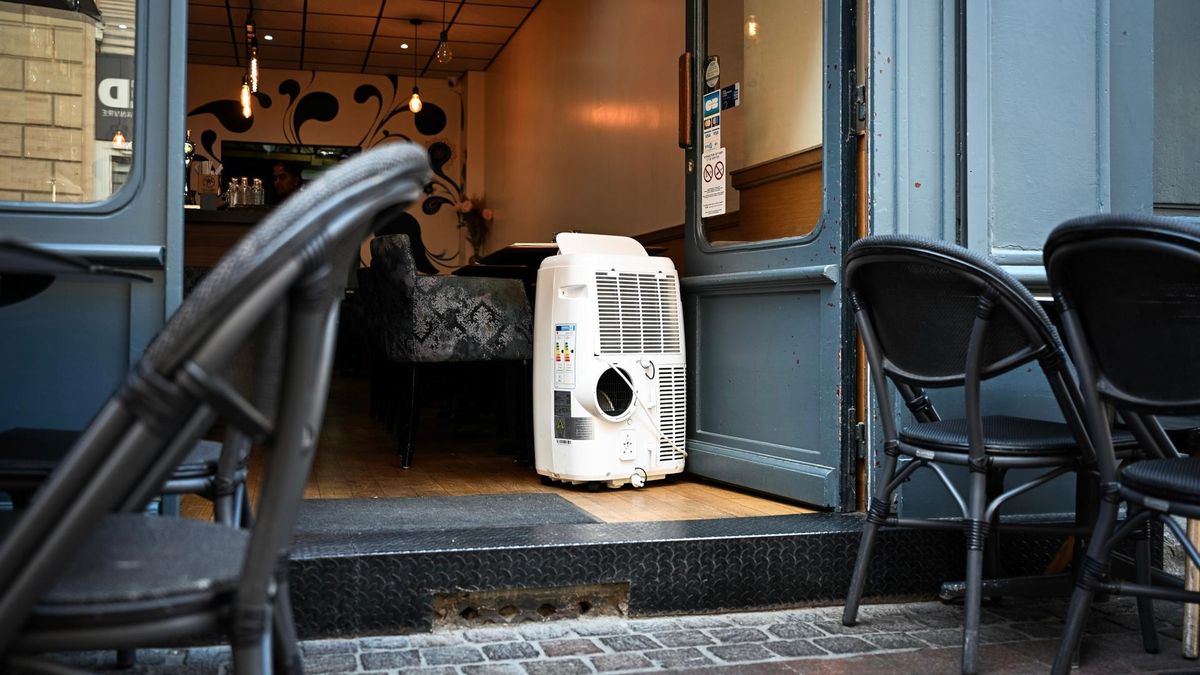
A severe heatwave has gripped Europe, pushing temperatures above 40 degrees Celsius in several countries and exposing a significant challenge embedded in the continent's built environment. Much of Europe's housing was designed for a cooler climate, where air conditioning has long been considered unnecessary rather than essential. This has created a gap in the market for cooling technologies that can be easily installed in older apartments and historic homes.
The International Energy Agency estimates that only about 20% of European households have air conditioning. Many apartments and historic buildings cannot easily accommodate conventional split air conditioners due to installation constraints, high labor costs, and long waiting times. This has created an opportunity for cooling technologies that require fewer modifications to buildings. Portable split air conditioners, which combine the cooling performance of conventional split systems with easier installation, are gaining popularity.
The growing demand for cooling technology has benefited manufacturers in Asia, particularly in China. Chinese manufacturers, such as Midea and Gree, have seen rising demand for products designed to overcome Europe's installation challenges. The trend is reflected in trade data, with China's exports of portable air conditioners to Western Europe surging by more than 70% year on year in the first five months of 2026.
The heatwave has underscored a broader challenge – as hotter summers become more frequent, technologies that are compatible with Europe's older housing stock and infrastructure are becoming increasingly important. This has significant implications for the region's energy policy and infrastructure development. The European Union's commitment to reducing greenhouse gas emissions and increasing energy efficiency will need to be balanced with the need for more effective cooling solutions.
Editor's Note: The analysis is based on publicly available data and information, and is subject to the limitations of such data.
Source referenced: CGTN
This brief was synthesized by our Editorial Engine and reviewed by The Ground Narrative team.


