TRENDING

Saturday, 3 October 2026
----------------------
22 Rabi' Al-Thani 1448 AH
A record wildfire in eastern Belgium has forced hundreds of villagers to evacuate, as the country battles one of its worst-ever blazes. The fire has scorched over 2,700 hectares of land, with reinforcements and equipment pouring in from across the EU to help contain the disaster. As the region struggles to cope with the aftermath, questions are being raised about the role of climate change and the preparedness of European nations to deal with such disasters.
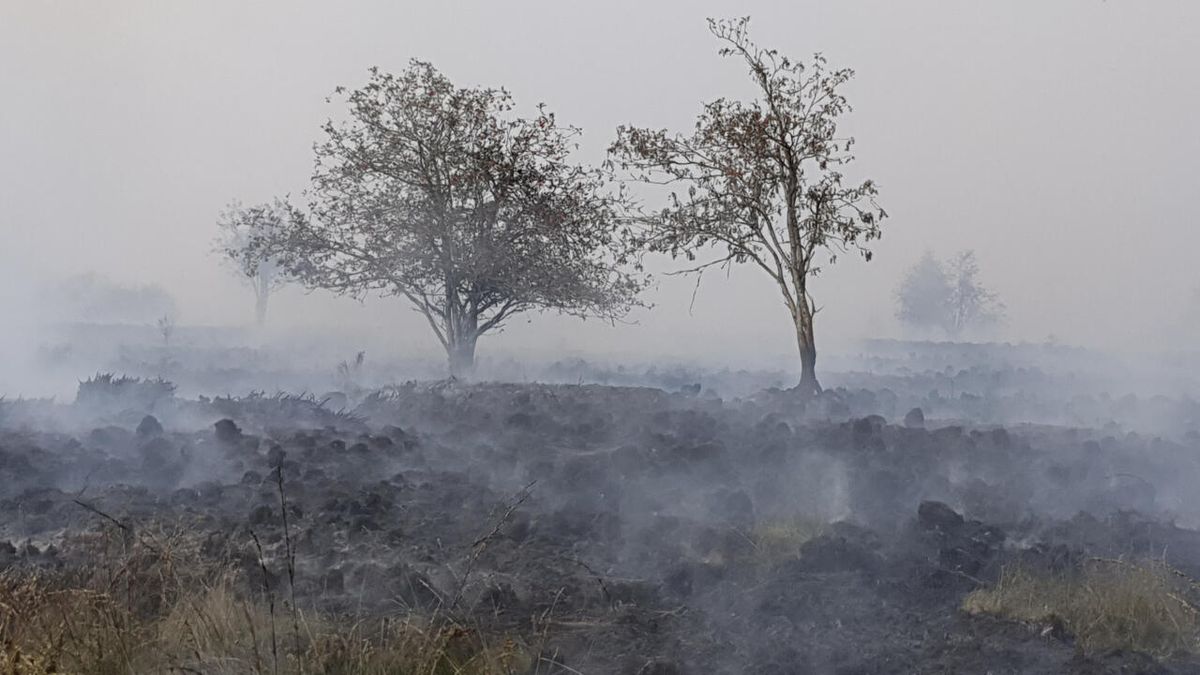
A devastating wildfire has swept through the Hautes Fagnes nature reserve in eastern Belgium, prompting the evacuation of hundreds of villagers and scorching over 2,700 hectares of land. The blaze, which broke out on Friday, has been described by officials as the largest in Belgium's modern history, with the fire spreading rapidly due to extreme heatwaves and drought.
The wildfire has exposed the vulnerability of European nations to climate-related disasters, with Belgium's fragile peatlands and pine forests proving particularly susceptible to the blaze. The EU's civil protection mechanism has been activated, with personnel and equipment pouring in from across the continent to help contain the disaster. However, the fire has also highlighted the limitations of European cooperation in the face of climate change, with many nations struggling to cope with the scale and frequency of such disasters.
The villagers who have been forced to evacuate are bearing the brunt of the disaster, with many forced to leave their homes and livelihoods behind. The local community is also facing significant economic and environmental costs, with the fire threatening to destroy the region's fragile ecosystem. The Belgian Red Cross has set up a shelter to provide aid to those affected, but the long-term impact of the disaster is likely to be severe.
While the Belgian government has been quick to respond to the disaster, there are concerns that the country's preparedness for such events is inadequate. The fire has highlighted the need for greater investment in climate resilience and disaster prevention, with many experts warning that the frequency and severity of such disasters will only increase in the coming years. The EU's response to the disaster has also been criticized, with some arguing that the bloc's civil protection mechanism is insufficient to deal with the scale of the crisis.
As the situation in Belgium continues to unfold, readers should watch for signs of whether the EU is willing to increase its investment in climate resilience and disaster prevention. The Belgian government's response to the disaster will also be crucial, with many eyes on whether the country will take concrete steps to address the root causes of the wildfire. Additionally, the impact of the disaster on the local community and the environment will be an important area of focus, with many questions remaining about the long-term consequences of the blaze.
Editor's Note: The analysis is based on current information and may be subject to change as the situation develops.
Source referenced: FRANCE24
This brief was synthesized by our Editorial Engine and reviewed by The Ground Narrative team.