TRENDING

Monday, 5 October 2026
----------------------
24 Rabi' Al-Thani 1448 AH
As Colombia reels from a devastating earthquake, its new president is seeking relief from US tariffs that could exacerbate the country's economic woes. But what's at stake in this diplomatic dance, and who will ultimately bear the cost? The answer lies in a complex web of power dynamics, economic interests, and strategic alliances.
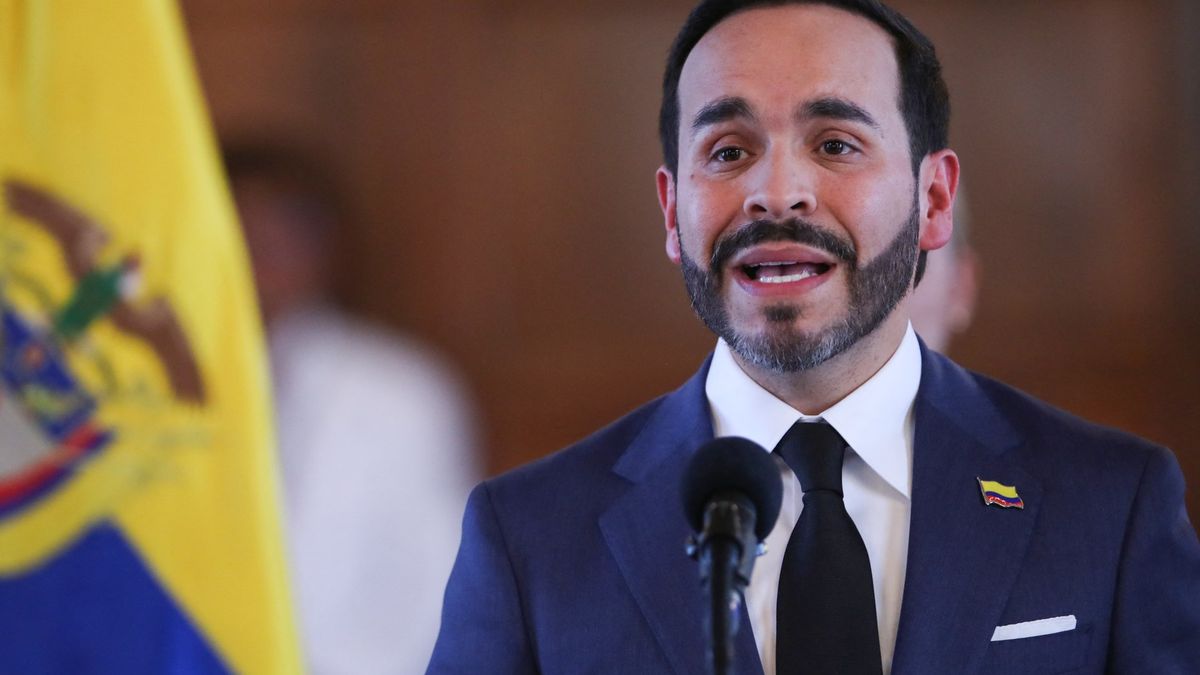
A 7.4-magnitude earthquake struck Colombia, killing at least 294 people and damaging or destroying tens of thousands of buildings. In the aftermath, Colombian President Abelardo de la Espriella appealed to US President Donald Trump to suspend tariffs on Colombian products, which rose to 12.5% in late July.
The US is Colombia's top export market, and the tariffs could deal a significant blow to the country's economy, which is already struggling. De la Espriella's request is not just a humanitarian appeal, but also a strategic move to navigate the complex web of trade relationships and alliances. The US has imposed tariffs on Colombia, citing failures to uphold anti-forced labor measures, but this move is also seen as a way to exert pressure on the country to conform to US interests.
The people of Colombia, particularly those affected by the earthquake, will bear the brunt of the tariffs. The reconstruction efforts will require significant funding, estimated to be around $6.4 billion, and the tariffs will only add to the economic burden. The Colombian government is not considering raising taxes to fund the reconstruction, which means that the country will have to rely on external aid or loans, potentially leading to a deeper economic crisis.
What's being downplayed in this narrative is the role of strategic alliances and the interests of powerful actors. De la Espriella's decision to join the 'Shield of the Americas' and forge a military alliance with the US and Israel is a significant shift in Colombia's foreign policy. This move is likely to have far-reaching consequences, including the potential for increased military intervention and the suppression of leftist movements. The US, on the other hand, is using the tariffs as a tool to exert its influence over Colombia and shape the country's policies to align with its own interests.
As the situation unfolds, readers should watch for the response of the US to Colombia's request, as well as the potential consequences of the tariffs on the country's economy. The reconstruction efforts and the funding required will be a significant challenge, and the role of international aid and loans will be crucial. Additionally, the implications of Colombia's new foreign policy alignments and the potential for increased military intervention will be important to monitor. The people of Colombia will be watching closely, as their livelihoods and well-being hang in the balance.
Editor's Note: The analysis is based on publicly available information and may not reflect the full complexity of the situation.
Source referenced: ALJAZEERA
This brief was synthesized by our Editorial Engine and reviewed by The Ground Narrative team.


