TRENDING

Saturday, 17 October 2026
----------------------
6 Jumada Al-Awwal 1448 AH
The European Union's ban on destroying unsold clothes and shoes has taken effect, aiming to reduce waste and promote sustainability in the fashion industry.
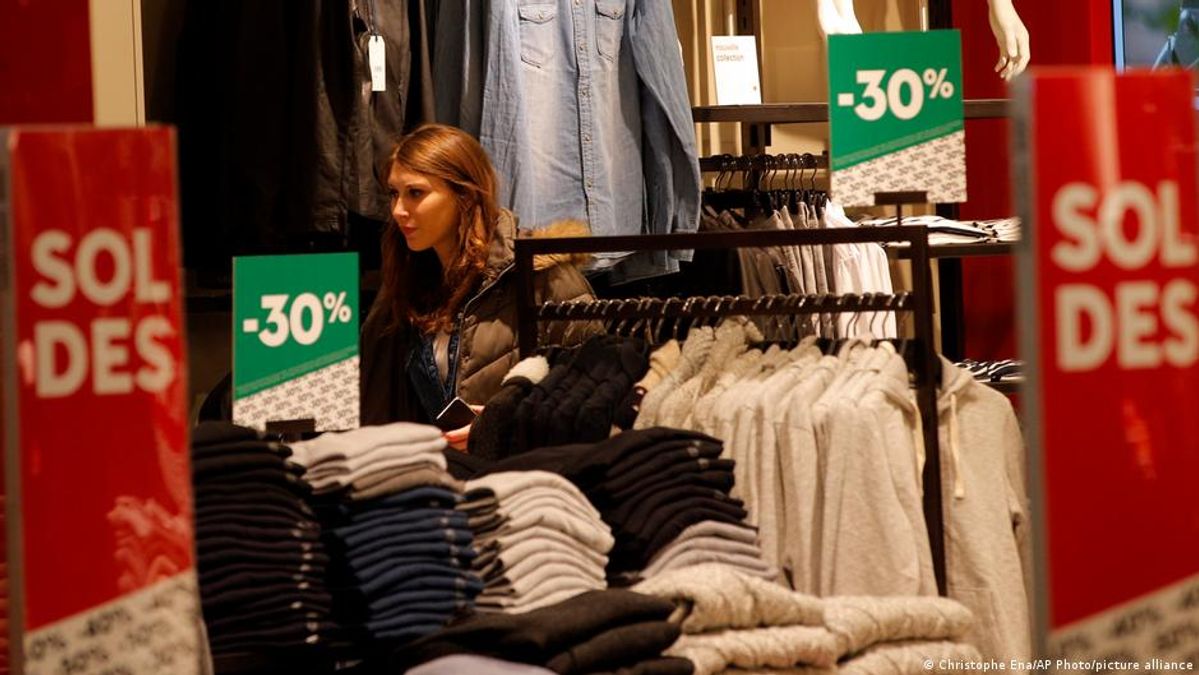
The European Union's ban on destroying unsold clothes and shoes has taken effect, marking a significant step towards reducing waste and promoting sustainability in the fashion industry. The ban, which applies to large fashion retailers, wholesalers, and manufacturers, aims to cut the hundreds of thousands of tons of fashionwear destroyed every year across the 27-member EU.
Fast fashion, characterized by low-cost, lower-quality mass-produced clothing, has grown significantly over the past decade. The rapid growth in online shopping and returns has exacerbated the problem, with one in five fashion goods ordered online being later returned to the retailer and not resold. This has resulted in a substantial amount of waste, with around 4% to 9% of unsold textile products being destroyed each year.
The EU's Ecodesign for Sustainable Products Regulation, which took effect on Sunday, requires large companies to find ways of selling unsold products, including via discounts, alternative markets, and charity donations. Unsold clothes can only be destroyed when items are unsafe, damaged, counterfeit, or rejected by charities. Companies are now required to publish annual reports on the goods they have discarded and keep records for five years.
The ban is expected to affect large fashion retailers, wholesalers, and manufacturers, with some companies warning that the rule change will be a challenge. The German Retail Federation has stated that consumers will benefit from the ban as more discounted apparel is put on sale through outlets, clearance markets, and second-hand channels. However, the federation also noted that not all unsold goods can be resold or donated easily, due to damaged packaging, high logistics costs, lack of demand, or low product values.
The EU's ban on destroying unsold clothes and shoes has significant regional implications, particularly in the context of the European Environment Agency's (EEA) efforts to promote a circular economy. The EEA has stated that the textile industry must become more sustainable, with a focus on designing products to last, and encouraging recycling and reuse. The ban is expected to contribute to reducing the impact on the environment, as the incineration of millions of clothes hits efforts to cut greenhouse gas emissions.
The EU's ban on destroying unsold clothes and shoes marks a significant step towards reducing waste and promoting sustainability in the fashion industry. While the ban is expected to affect large fashion retailers, wholesalers, and manufacturers, it is a necessary measure to address the problem of fast fashion and its environmental impact. The EU's efforts to promote a circular economy and reduce waste will have far-reaching consequences, not only for the fashion industry but also for the environment and the global community.
Editor's Note: The EU's efforts to promote a circular economy and reduce waste are expected to have far-reaching consequences, but the effectiveness of the ban in achieving its goals remains to be seen.
Source referenced: DW
This brief was synthesized by our Editorial Engine and reviewed by The Ground Narrative team.