TRENDING

Saturday, 24 October 2026
----------------------
13 Jumada Al-Awwal 1448 AH
Israeli strikes on south Lebanon have killed at least 14 people, including seven after Iran threatened to attack Israel again if it continued bombing the country. The escalating conflict has significant implications for regional stability and global security.
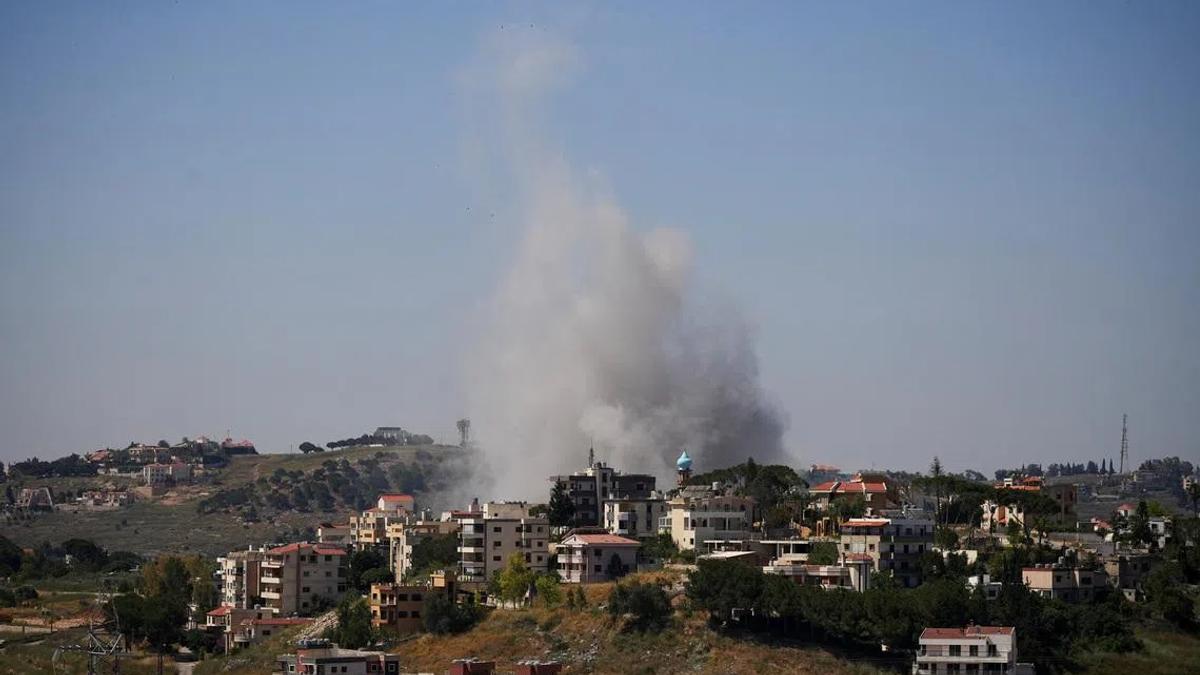
The recent Israeli strikes on south Lebanon have resulted in the deaths of at least 14 people, including seven after Iran threatened to attack Israel again if it continued bombing the country. This escalation in the conflict has significant implications for regional stability and global security.
The conflict between Israel and Lebanon has its roots in the 2006 Lebanon War, which was sparked by Hezbollah's rocket fire at Israel. Since then, the conflict has ebbed and flowed, with periods of relative calm punctuated by outbreaks of violence. The current conflict is a result of Hezbollah's decision to draw Lebanon into the Middle East war on March 2, which has led to a significant increase in Israeli strikes on Lebanese territory.
Israel's military operation in Lebanon is aimed at targeting Hezbollah's military infrastructure and disrupting its ability to launch attacks on Israeli territory. The Israeli military has established a so-called Yellow Line inside Lebanese territory, roughly a dozen kilometers from its northern border, where ground troops are now operating. This move is seen as a strategic attempt to contain Hezbollah's influence and prevent it from launching attacks on Israeli territory.
The conflict in Lebanon has significant regional implications, particularly for Iran and its allies in the region. Iran has warned that it will resume attacks on Israel if it continues striking Lebanon, which has led to a significant escalation in the conflict. The Iranian military central command has stated that "should acts of aggression and hostility continue, including in southern Lebanon, much more severe and crushing measures than before will follow." This threat has significant implications for regional stability and global security.
The future consequences of the conflict in Lebanon are uncertain, but it is likely to have significant implications for regional stability and global security. The conflict has already led to a significant increase in Israeli strikes on Lebanese territory, which has resulted in the deaths of at least 3600 people since Hezbollah drew Lebanon into the Middle East war on March 2. The conflict is also likely to have significant implications for the global economy, particularly for countries that rely on oil imports from the region.
The conflict in Lebanon is a complex and multifaceted issue that has significant implications for regional stability and global security. The escalation in the conflict has led to a significant increase in Israeli strikes on Lebanese territory, which has resulted in the deaths of at least 14 people. The conflict is likely to continue in the short term, with significant implications for regional stability and global security.
Source referenced: STRAITSTIMES
This brief was synthesized by our Editorial Engine and reviewed by The Ground Narrative team.