TRENDING

Monday, 5 October 2026
----------------------
24 Rabi' Al-Thani 1448 AH
El Salvador prepares for a 2027 presidential election where Nayib Bukele seeks a third term, enabled by constitutional changes. This analysis examines the trade-offs between unprecedented security and the erosion of democratic norms and human rights.
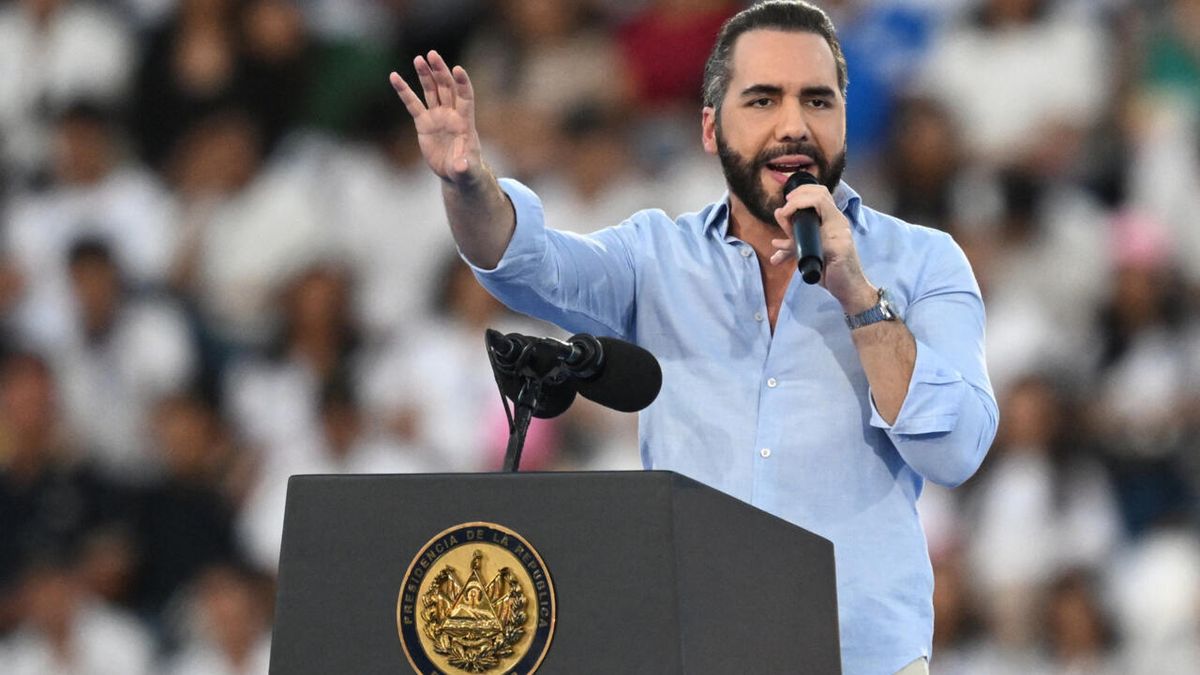
El Salvador's electoral tribunal has officially set February 28, 2027, as the date for the next presidential elections. This announcement paves the way for President Nayib Bukele to seek an unprecedented third term, a move made possible by recent constitutional amendments that abolished presidential term limits. Bukele, who first took office in 2019, has been widely praised for dramatically reducing gang violence, but his methods have drawn severe criticism from human rights organizations.
President Bukele's path to a potential third term is a masterclass in consolidating power under the guise of public safety. His administration engineered constitutional changes to remove term limits, effectively dismantling a key democratic safeguard against authoritarianism. This legislative maneuver was built on the back of his highly popular, yet controversial, crackdown on gangs. Since declaring a state of exception in 2022, which remains in effect, approximately 92,000 individuals, predominantly young men, have been arrested. This mass incarceration, often without formal charges, has been facilitated by a judiciary increasingly aligned with the executive, leading to the implementation of mass trials to process the overwhelming number of detainees. Bukele's appeal stems from his ability to deliver a tangible sense of security to a populace long terrorized by criminal organizations, effectively trading civil liberties for order. His rise also marked the end of a three-decade political duopoly between the right-wing ARENA and the left-wing FMLN, positioning him as a disruptive force against a perceived corrupt establishment.
The human cost of El Salvador's security revolution is borne by tens of thousands of citizens, their families, and the communities they leave behind. The nearly 92,000 arrests under the state of exception represent a significant portion of the country's young male population, many of whom are held without charge or due process. Human rights organizations have documented widespread abuses, including torture, in detention centers, suggesting that these actions could constitute crimes against humanity. While the government touts historic lows in crime rates, the personal narratives of those unjustly detained, the anguish of families searching for loved ones, and the systemic fear of arbitrary arrest paint a stark picture. The promise of security has come at the expense of fundamental rights, leaving a generation vulnerable to state overreach and a justice system overwhelmed by its own scale of operation. These are the people whose voices are drowned out by the narrative of national triumph over crime.
What the Bukele administration and its international admirers often downplay or omit is the profound and potentially irreversible damage to El Salvador's democratic institutions. The narrative of a
Source referenced: FRANCE24
This brief was synthesized by our Editorial Engine and reviewed by The Ground Narrative team.


