TRENDING

Monday, 5 October 2026
----------------------
24 Rabi' Al-Thani 1448 AH
Poor sanitation and water shortages in Mongbwalu, a gold-mining town in the Democratic Republic of Congo, are hindering efforts to contain an Ebola outbreak. Residents lack access to safe drinking water and basic sanitation, exacerbating the spread of the disease. The crisis is a stark reminder of the human cost of neglecting basic infrastructure in vulnerable communities.
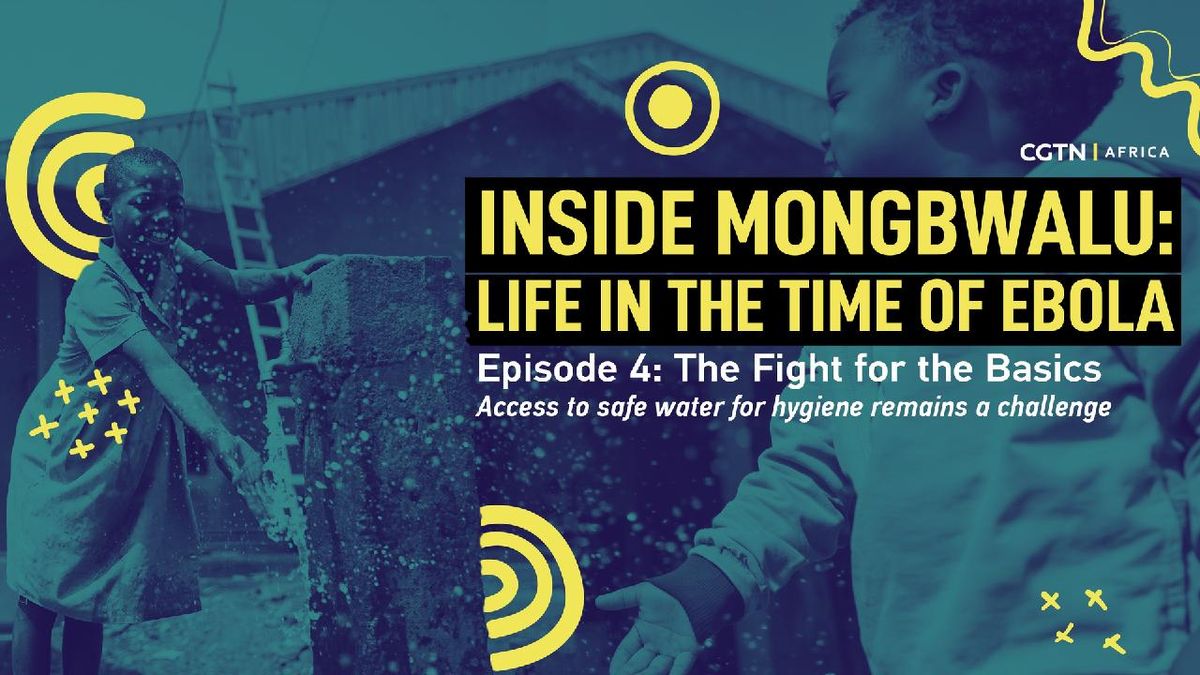
The Democratic Republic of Congo is facing an Ebola outbreak in Mongbwalu, a gold-mining town in the Ituri province. The response efforts are being hampered by poor sanitation and water shortages, which are leaving many residents without reliable access to safe drinking water and basic sanitation.
The underlying issue is a lack of investment in basic infrastructure, particularly in water and sanitation systems. The gold-mining industry, which is a significant economic driver in the region, has contributed to water contamination, further exacerbating the crisis. The Congolese government and international organizations have a responsibility to ensure that communities have access to basic necessities like clean water and sanitation. However, the reality on the ground suggests that these needs are being neglected, with devastating consequences.
The people of Mongbwalu are bearing the brunt of this crisis. Residents are forced to walk miles every day to collect water from a nearby natural spring, as they cannot afford the cost of water from public taps. This is not only a significant burden but also a health risk, as the water from the spring may be contaminated. The lack of access to clean water and sanitation is also affecting the town's central market, where hundreds of people gather daily, increasing the risk of Ebola transmission. Families are being forced to ration water, leaving them vulnerable to the spread of the disease.
What is being downplayed in the official response to the crisis is the role of the gold-mining industry in contributing to water contamination. The industry's activities have polluted groundwater sources, leaving residents with limited access to safe water. Additionally, the lack of investment in basic infrastructure, such as water and sanitation systems, is a result of a broader neglect of the needs of vulnerable communities. The international community is also failing to provide adequate support to address the root causes of the crisis.
As the situation in Mongbwalu continues to unfold, it is essential to watch for the following developments: the Congolese government's response to the crisis, including any efforts to address the underlying issues of poor sanitation and water shortages; the role of the international community in providing support to affected communities; and the impact of the gold-mining industry on the environment and public health. The people of Mongbwalu need urgent assistance to access clean water and sanitation, and it is the responsibility of all stakeholders to ensure that their needs are met.
Editor's Note: The analysis is based on publicly available information and may not reflect the full complexity of the situation on the ground.
Source referenced: CGTN
This brief was synthesized by our Editorial Engine and reviewed by The Ground Narrative team.