TRENDING

Monday, 5 October 2026
----------------------
24 Rabi' Al-Thani 1448 AH
The Democratic National Committee has approved a major overhaul of the 2028 presidential primary calendar, giving more influence to states with diverse populations. But what does this mean for the party's future, and who will bear the human cost of this change? The new calendar sets up a competitive landscape, with South Carolina, Nevada, and New Mexico taking center stage, followed by New Hampshire, Michigan, and Virginia.
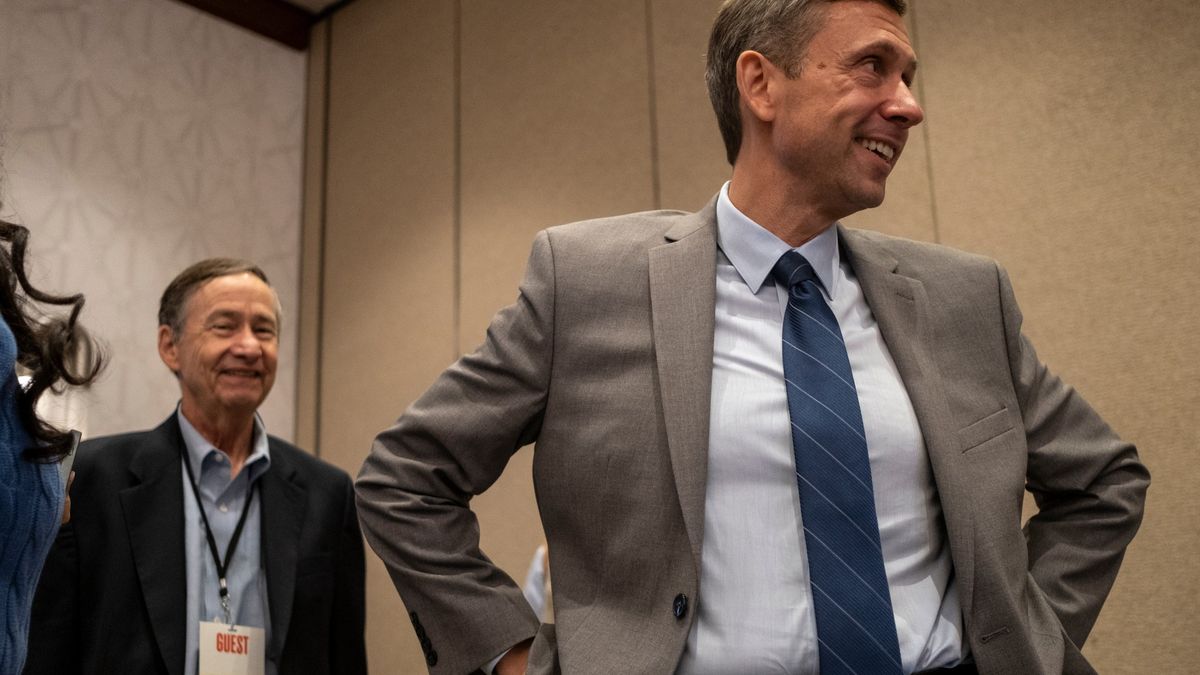
The Democratic National Committee (DNC) has finalized a significant shakeup to the 2028 presidential primary calendar, aiming to better represent the party's diverse constituencies. The new calendar puts South Carolina, Nevada, and New Mexico at the forefront, followed by New Hampshire, Michigan, and Virginia. This change is designed to give more influence to states with larger racial and ethnic minority populations.
The underlying power dynamics at play are centered around the Democratic Party's efforts to reclaim the White House in 2028. By reshaping the primary calendar, the party aims to create a more competitive landscape that reflects the country's demographic shifts. The new calendar is a response to criticisms that the traditional early voting states, such as Iowa and New Hampshire, have overly white electorates and do not accurately represent the party's diverse base. The change is also driven by the party's desire to build momentum behind a nominee who can appeal to a broader range of voters.
The human cost of this change will be borne by the voters and communities in the states that have been relegated to later dates in the primary calendar. Iowa and New Hampshire, in particular, have historically played a significant role in shaping the presidential election narrative. The reduction in their influence may lead to a sense of disenfranchisement among their voters, who may feel that their voices are no longer being heard. Additionally, the new calendar may also impact the campaign strategies and resource allocation of presidential hopefuls, potentially affecting the livelihoods of campaign staff and volunteers.
What is being downplayed in the official statements is the potential for the new calendar to exacerbate the intra-party feud between progressive and moderate candidates. The elevation of states like Michigan, which recently selected a progressive Senate nominee, may embolden progressive voices within the party. However, other states like South Carolina, which has a more moderate streak, may counterbalance this trend. The party's ability to manage these competing forces will be crucial in determining the success of the new calendar.
As the 2028 presidential primaries approach, readers should watch for how the new calendar affects the campaign dynamics and the party's overall trajectory. Will the increased influence of diverse states lead to a more representative nominee, or will the traditional power brokers within the party maintain their grip on the nomination process? How will the party balance the competing interests of its progressive and moderate wings, and what will be the human cost of this balancing act? The answers to these questions will have significant implications for the future of the Democratic Party and the country as a whole.
Editor's Note: The analysis is based on publicly available information and may not reflect the full complexity of the situation.
Source referenced: ALJAZEERA
This brief was synthesized by our Editorial Engine and reviewed by The Ground Narrative team.


