TRENDING

Monday, 5 October 2026
----------------------
24 Rabi' Al-Thani 1448 AH
The Democratic Party's internal struggle between its progressive and pragmatic wings is shaping primary outcomes but creating uncertainty for general elections. This ideological divide risks compromising the party's ability to secure legislative control, leaving voters caught between competing visions.
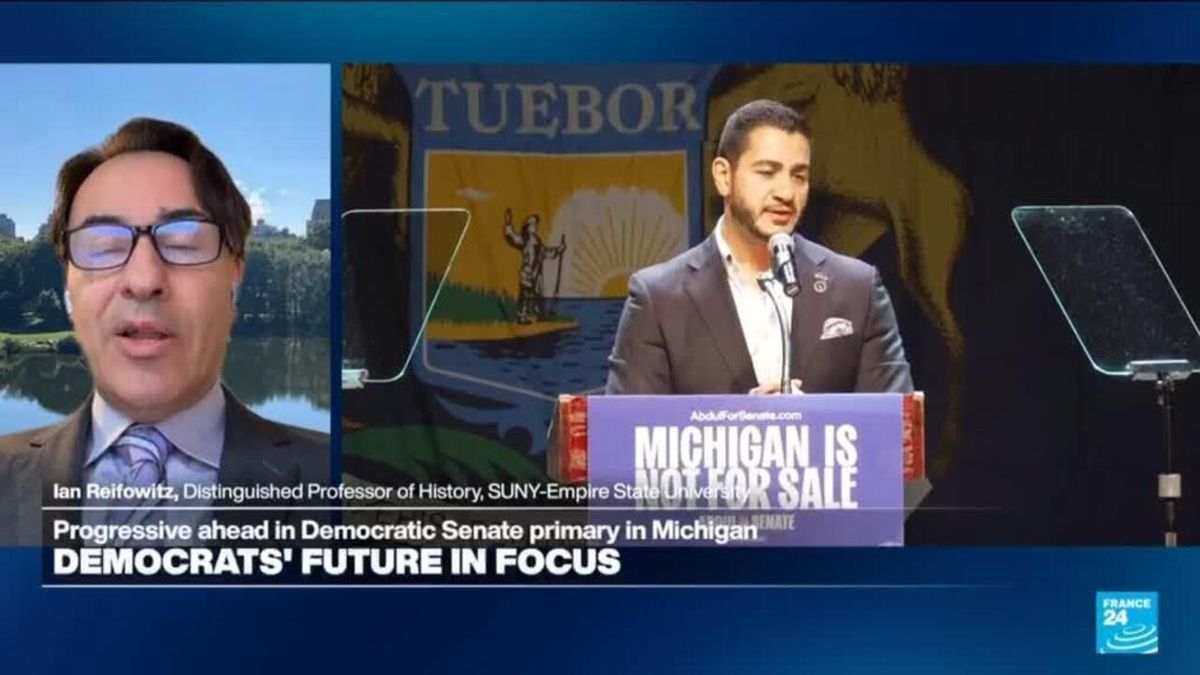
The Democratic Party in the United States is navigating a significant internal struggle between its progressive and more pragmatic, centrist factions. This tension is vividly playing out in primary elections, such as the Michigan Democratic Senate primary, where progressive candidates have demonstrated increasing strength, particularly in urban and heavily Democratic areas. The core question now is whether this primary success can translate into victories in more competitive general elections in swing states, a challenge that carries substantial implications for the party's broader electoral prospects, including control of the U.S. Senate.
The battle within the Democratic Party is fundamentally about the mechanics of political power and survival. The progressive wing, often fueled by grassroots activism, younger voters, and a desire for bold policy changes on issues like climate, healthcare, and economic inequality, has successfully mobilized its base to win primaries. This demonstrates a shift in the party's ideological center of gravity among its most engaged voters. However, the pragmatic wing, often backed by established party leadership, traditional donors, and a focus on broad electability, argues that a more centrist approach is necessary to appeal to the crucial swing voters in competitive districts and states.
This creates a strategic dilemma: should the party prioritize energizing its base with ideologically pure candidates and platforms, or should it moderate its positions to attract a wider, less ideologically aligned electorate? The incentives are clear for both sides. Progressives aim to shift the party's policy agenda leftward, believing it better serves the public and can inspire higher turnout. Centrists seek to secure legislative majorities, even if it means compromises on policy, arguing that *some* progress is better than none. The underlying tension is between ideological conviction and the cold math of electoral victory, where even small shifts in voter preference can determine control of critical institutions like the Senate.
When political parties are consumed by internal factionalism, the human cost is often borne by the very citizens they aim to represent. Voters, particularly those who feel strongly about specific policy issues, can become disillusioned if their preferred candidates are deemed "unelectable" by the party establishment, or if the party's platform is perceived as watered down to appeal to the lowest common denominator. This can lead to decreased voter turnout, especially among younger demographics who are often more aligned with progressive causes, ultimately weakening the party's overall electoral strength.
Beyond disillusionment, the failure to secure legislative majorities due to internal divisions directly impacts communities awaiting policy changes. Whether it's federal funding for infrastructure in struggling towns, expanded access to healthcare in underserved areas, or urgent action on environmental protection, legislative gridlock means these critical needs go unaddressed. The abstract battle for the "soul of the party" translates into tangible delays and denials of resources for ordinary people whose lives depend on effective governance.
What often goes unstated in discussions about "electability" is how this narrative can be weaponized. The argument that progressive candidates are too extreme to win general elections can serve as a powerful tool for the party establishment to maintain control, suppress internal dissent, and steer the party towards more corporate-friendly or centrist positions. This framing can become a self-fulfilling prophecy, discouraging grassroots movements and diverting resources away from candidates who challenge the status quo.
Furthermore, the significant role of money in politics is frequently downplayed. Large donors and corporate interests often favor more moderate candidates, whose platforms are perceived as less disruptive to existing economic structures. This financial leverage creates an uneven playing field in general elections, where well-funded centrist campaigns can often outspend and out-message progressive challengers, regardless of their grassroots support. The "big tent" image of the Democratic Party, while aspirational, often masks these deep financial and ideological cleavages, presenting a unified front that belies the intense internal power struggle.
The internal dynamics of the Democratic Party will continue to be a critical factor in U.S. politics. Readers should closely watch how candidates from both the progressive and pragmatic wings perform in upcoming general elections, particularly in swing states and competitive districts. The ability of the party to bridge its ideological divides, or at least manage them effectively, will be crucial. Pay attention to voter turnout rates, especially among key demographics like young people and minority groups, as their engagement will signal whether the party's messaging is resonating.
Also, observe the strategies employed by party leadership to either reconcile these factions or consolidate power. Will there be new initiatives to unite disparate wings, or will the party continue to prioritize one approach over the other? The outcomes of the 2026 midterm elections, with the Michigan Senate primary serving as an early indicator, will provide a clearer picture of the Democratic Party's future trajectory and its capacity to govern effectively in a deeply polarized political landscape.
Source referenced: FRANCE24
This brief was synthesized by our Editorial Engine and reviewed by The Ground Narrative team.


