TRENDING

Friday, 18 September 2026
----------------------
7 Rabi' Al-Thani 1448 AH
In the run‑up to the US midterms, AI‑generated videos falsely attacking Democratic leaders have surfaced, traced to a Russian disinformation effort. The analysis uncovers the power calculations behind the campaign and the real cost to everyday voters.
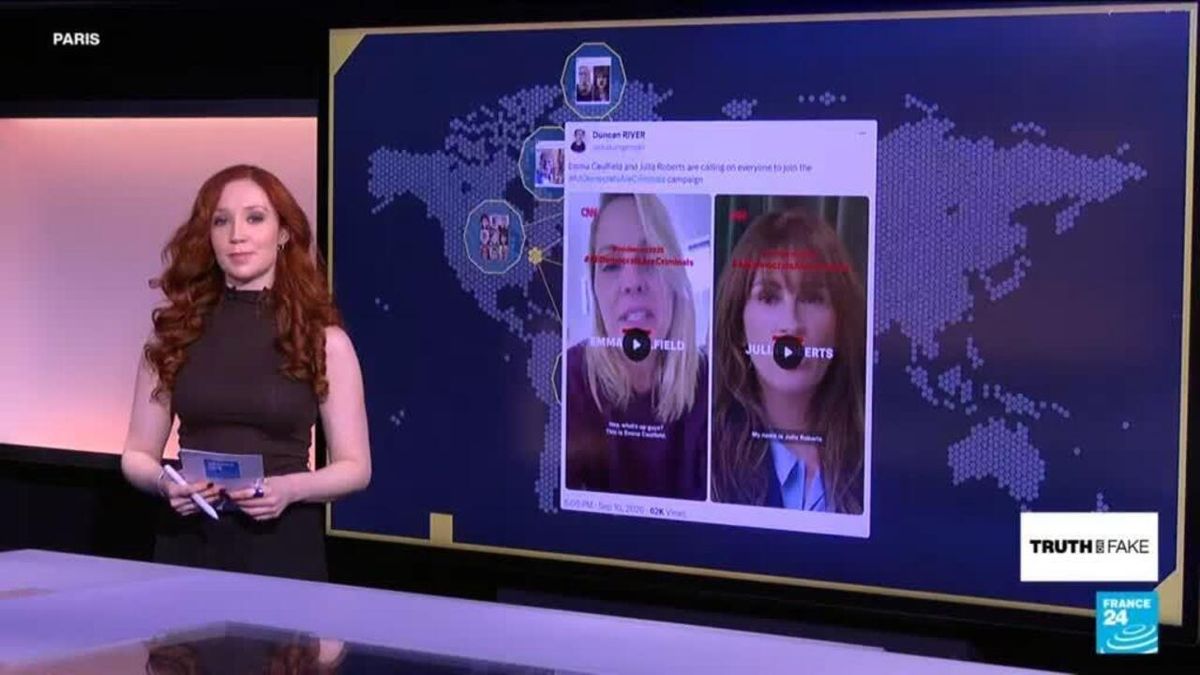
In the weeks before the November 2026 US midterm elections, a wave of short videos appeared on social platforms showing celebrities and political figures seemingly denouncing the Democratic Party. Fact‑checkers quickly identified the clips as deepfakes, created with artificial‑intelligence tools. Open‑source investigations linked the distribution network to a Russian state‑aligned outlet, suggesting a coordinated disinformation push aimed at eroding confidence in Democratic candidates.
The operation sits at the intersection of three structural incentives. First, Russia’s foreign‑policy doctrine treats Western electoral volatility as a force multiplier for its own strategic aims; sowing doubt weakens the liberal democratic narrative that underpins NATO cohesion. Second, the US political calculus makes midterms a high‑stakes arena: control of Congress determines budgetary authority, oversight of foreign aid, and the ability to block or advance legislation that could constrain Russian actions abroad. By targeting Democrats—who traditionally champion a tougher stance on Moscow—the campaign seeks to tilt the balance of power toward a more accommodation‑friendly House and Senate. Third, the commercial rise of generative AI lowers the cost of producing convincing false content, allowing state actors to amplify their reach without the logistical overhead of traditional propaganda. The Kremlin’s playbook now blends old‑school troll farms with new‑era synthetic media, exploiting platform algorithms that reward engagement regardless of veracity.
While analysts debate the geopolitical payoff, the everyday cost lands on ordinary voters. In swing districts, especially among low‑income and minority communities, trust in the electoral process is already fragile. Exposure to deepfake attacks can depress turnout, reinforce cynicism, or push undecided voters toward candidates who promise “law‑and‑order” solutions, often at the expense of progressive policies on health care, housing, and climate action. Moreover, the campaign’s focus on high‑profile Democrats diverts media attention from local issues—school funding, infrastructure, and public safety—that directly affect daily life. The net effect is a democratic deficit: citizens are forced to navigate a polluted information environment while their concrete needs remain unaddressed.
Official statements from US intelligence agencies have downplayed the episode, framing it as a “routine” foreign‑influence operation. This rhetoric masks two deeper omissions. First, the role of major tech platforms in amplifying the videos is rarely scrutinized; algorithmic virality, not just the source, fuels the spread. Second, the financial pipelines that sustain Russian disinformation—state budget allocations, covert cyber‑units, and private contractors—are kept out of public view, limiting accountability. By focusing on the “who” (Russia) and the “what” (deepfakes), the narrative sidesteps the systemic incentives that allow such campaigns to thrive.
Watch for three developments as the midterms approach. 1) Platform policy shifts: If major social networks introduce stricter labeling or removal of AI‑generated political content, the Kremlin may pivot to more covert channels, such as encrypted messaging groups. 2) Congressional response: A bipartisan push for legislation on synthetic media disclosure could reshape the legal landscape, but partisan gridlock may stall action, leaving voters exposed. 3) Election‑day outcomes: Should the Democrats lose key seats, the balance of power in Washington will tilt toward a Congress more amenable to Russian diplomatic overtures, potentially reshaping US‑Russia engagement on issues from arms control to cyber norms. The interplay of these factors will determine whether the deepfake surge remains a footnote or a catalyst for lasting change in the information ecosystem.
Editor's Note: Analysis based on publicly available fact‑checks and open‑source investigations; some attribution details remain classified.
Source referenced: FRANCE24
This brief was synthesized by our Editorial Engine and reviewed by The Ground Narrative team.


