TRENDING

Monday, 2 November 2026
----------------------
22 Jumada Al-Awwal 1448 AH
A former USAID official reflects on the agency’s collapse, exposing how compliance‑heavy processes sidelined Colombian communities and why a leaner, locally‑driven aid model matters now.
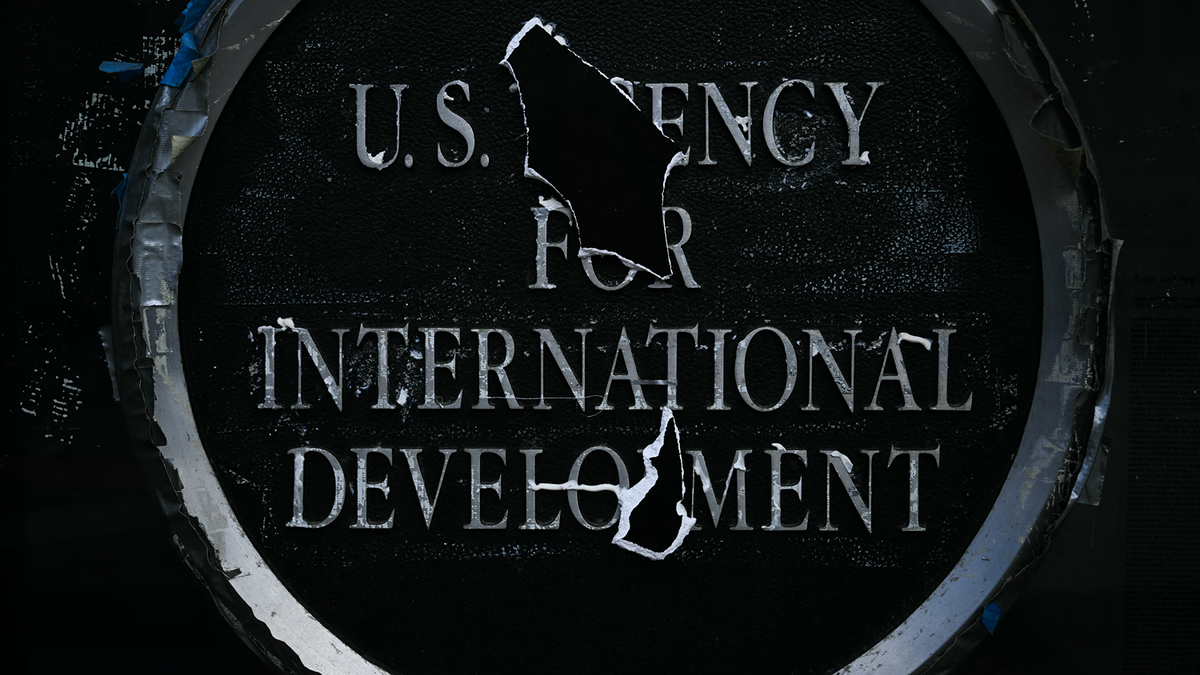
In August 2025 the United States shuttered USAID, ending a 75‑year presence that had funded everything from health campaigns to land‑title projects in Colombia. The closure came after a series‑of audits flagged waste, while the agency’s own staff warned that its grant‑making system rewarded paperwork over real change. One of the last field missions, a 2024 inauguration of new offices for Colombia’s National Land Agency in Bogotá, highlighted the paradox: millions of dollars spent on a ceremony, yet the promised 20,000 land titles remained a distant goal.
USAID’s funding model relied on competitively awarded contracts to large U.S. firms and international NGOs. These contractors were paid for deliverables measured in units—people trained, offices opened, titles printed—rather than for structural reforms. The agency’s internal auditors, tasked with compliance, were more likely to flag a missing receipt than to celebrate a community finally receiving legal ownership of its land.
For Washington, USAID functioned as a visible symbol of soft power. Maintaining a sprawling bureaucracy allowed Congress to allocate earmarked funds, satisfy lobbying groups, and showcase bipartisan foreign‑policy achievements. The Biden administration’s “localization” push—aiming for 25 % of aid to flow directly to local partners—stalled at 12 % because shifting money away from entrenched contractors threatened established procurement interests and the jobs of countless federal staff.
Large for‑profit firms, often dubbed “Beltway bandits,” built entire business models around USAID contracts. Their cost structures—high overhead, legal teams, and audit departments—made it easier for them to meet U.S. reporting requirements than smaller Colombian NGOs. The result was a self‑reinforcing loop: contracts stayed with firms that could navigate the red tape, while local entities, despite having the on‑the‑ground knowledge, were excluded for lacking the same bureaucratic capacity.
In the Andean highlands, more than 40 % of smallholder farmers still lack formal land titles. Without legal proof of ownership, families cannot access credit, invest in better seeds, or protect their property from illegal encroachment. The promised acceleration of title issuance meant that many households continued to operate in a legal gray zone, vulnerable to displacement and exploitation.
Colombian civil‑society groups that could have designed context‑specific solutions found themselves barred from funding because they could not meet U.S. federal accounting standards. Their exclusion not only limited program diversity but also stifled the development of a robust, independent nonprofit sector capable of holding the government accountable.
When the agency folded, dozens of American development professionals were abruptly reassigned or laid off. Their expertise, built over years of field experience, was dispersed across other departments, diluting institutional memory and reducing the United States’ capacity to respond quickly to future crises.
Official statements framed the closure as a move toward “greater efficiency” and “strategic realignment.” What they omitted was the extent to which the existing system protected a network of contractors, lobbyists, and congressional earmarks. By portraying the bureaucracy as the problem, the administration sidestepped the political cost of dismantling a patronage ecosystem that benefits influential Washington interests.
Auditors were praised for “protecting taxpayer dollars,” yet the same audits penalized innovative pilots that could not produce immediate, quantifiable outputs. The emphasis on audit trails over outcomes discouraged field officers from taking calculated risks, effectively freezing development at the level of data collection.
Even when a small fraction of aid reached Colombian partners, the funds often flowed to elite NGOs tied to regional political leaders. This reinforced existing hierarchies, allowing local elites to consolidate power rather than democratizing development benefits. The official discourse ignored how donor money could inadvertently entrench patron‑client relationships.
The next U.S. administration will inherit a fragmented aid architecture and a growing chorus of former development officials calling for a leaner, locally‑driven model. Key indicators to monitor include: (1) legislative proposals to streamline foreign‑assistance reporting requirements; (2) the proportion of USAID‑successor funding awarded to Colombian NGOs versus U.S. contractors; and (3) any shift in congressional earmarks that tie aid dollars to specific districts or lobbying groups. Observers should also watch how the Biden‑era “localization” goal evolves—whether it becomes a genuine restructuring or remains a symbolic target.
If reforms succeed, we may see faster land‑title issuance, stronger community‑based NGOs, and a more adaptable U.S. development footprint. If the status quo persists, the same cycle of ceremony, compliance, and missed transformation will repeat, leaving rural Colombians waiting for a promise that never materializes.
Congress voted to end the agency after audits highlighted wasteful spending and a compliance‑heavy culture that prioritized paperwork over measurable development outcomes.
It is a policy aimed at directing a larger share of U.S. aid directly to local partners, hoping to increase relevance and reduce overhead, but it stalled at about 12 % of total funding.
Without accelerated land‑title processing, many smallholders remain without legal ownership, limiting their access to credit and exposing them to land grabs.
Source referenced: FOREIGNPOLICY
This brief was synthesized by our Editorial Engine and reviewed by The Ground Narrative team.


