TRENDING

Monday, 5 October 2026
----------------------
24 Rabi' Al-Thani 1448 AH
Colombia's presidential inauguration is threatened by terrorism, with the outgoing defense minister warning of a heightened risk of attacks. The event will take place in the volatile region of Cali, where rebel groups have recently launched a series of militia attacks. As the country prepares for the handover of power, the human cost of conflict and the power struggle between the incoming and outgoing governments are coming to the forefront.
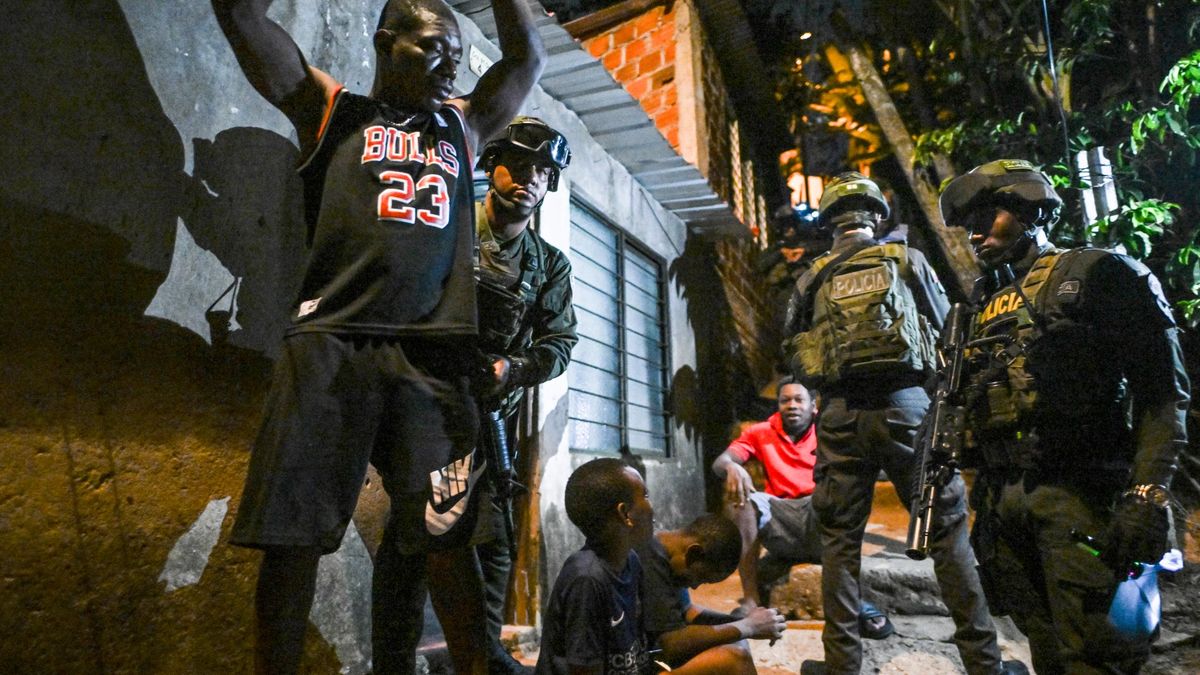
Colombia's outgoing defense minister, Pedro Sanchez, has warned of a heightened risk of terrorism ahead of the presidential inauguration of President-elect Abelardo de la Espriella. The event is scheduled to take place in the region of Cali, which has recently seen a series of militia attacks. The minister stated that authorities are tracking a threat against the inauguration, with the possibility of rebel groups attempting to disrupt the democratic event with acts of terrorism.
The power struggle between the incoming and outgoing governments is a significant factor in the current situation. President-elect de la Espriella has campaigned on dismantling the outgoing President Gustavo Petro's 'Total Peace' negotiation strategy with armed groups. This has led to tensions between the two governments, with Petro disputing the election result and refusing to attend the inauguration ceremony. The deployment of 11,000 troops and the imposition of a no-fly zone on drones over Cali and its surroundings are attempts to secure the event and prevent any potential attacks.
The people of Cali and the surrounding regions are bearing the human cost of the conflict. The series of militia attacks in the area has created a sense of fear and uncertainty among the population. The possibility of terrorism and the deployment of a large number of troops are also affecting the daily lives of the people, with restrictions on movement and gatherings. The conflict is not only affecting the local population but also the families of the rebel fighters, who are often forced to flee their homes or live in hiding.
What is being downplayed by the government is the fact that the 'Total Peace' negotiation strategy, although flawed, had led to a reduction in violence in some areas. The incoming government's decision to dismantle this strategy may lead to an escalation of the conflict, putting more lives at risk. The international community, including the presidents of Argentina, Paraguay, Chile, and Ecuador, as well as Spain's King Felipe VI, who are expected to attend the inauguration ceremony, should be aware of the potential consequences of their support for the new government.
As the inauguration ceremony approaches, readers should watch for any signs of escalation in the conflict, including potential attacks on the event or the surrounding areas. The reaction of the international community to the new government's policies and the potential consequences of their support will also be crucial. The ability of the new government to address the root causes of the conflict and find a lasting solution to the violence will be a key factor in determining the future of Colombia.
Editor's Note: The situation in Colombia is complex and volatile, and the analysis is based on available information. The actual events may unfold differently.
Source referenced: ALJAZEERA
This brief was synthesized by our Editorial Engine and reviewed by The Ground Narrative team.