TRENDING

Monday, 5 October 2026
----------------------
24 Rabi' Al-Thani 1448 AH
A devastating earthquake has struck western Colombia, immediately testing the leadership of the newly sworn-in far-right President Abelardo de La Espriella. The disaster lays bare the deep political divisions and systemic neglect that complicate urgent humanitarian efforts.
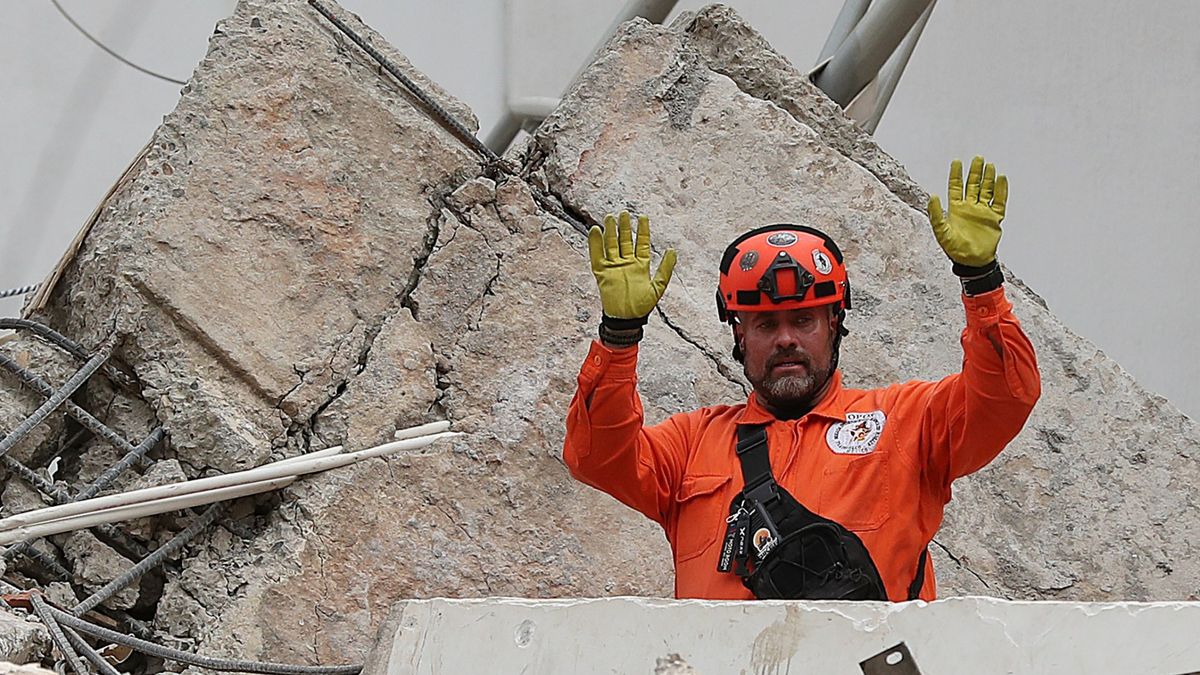
Barely 72 hours after far-right leader Abelardo de La Espriella assumed Colombia's presidency, a powerful magnitude 7.4 earthquake ripped through the country's western region. The seismic event claimed over 260 lives, injured thousands, and left a trail of devastation across cities and remote towns. This immediate catastrophe has become the first major test for the new administration, forcing it to rapidly mobilize search and rescue operations and deliver aid to affected communities amidst the chaos of a fresh political transition.
The earthquake's timing has thrust President de La Espriella into an immediate and high-stakes leadership challenge, forcing him to pivot from his campaign promises of an "iron fist against crime" to crisis management. His declaration of an "economic emergency" and three days of national mourning signals an attempt to project decisive control. However, the response is structurally complicated by a fraught transition from the outgoing leftist administration of Gustavo Petro. A "failed handover" has left critical institutions, like the National Disaster Risk Management Unit, in a state of limbo, requiring officials from deeply polarized political factions to collaborate under immense pressure. The decision to centralize all official updates through the executive, specifically the president's office, rather than the disaster agency, is a clear power play, aiming to control the narrative and cement the new administration's image as the sole authority in crisis, even if it slows crucial information flow.
The human cost of this disaster is not evenly distributed. While major cities like Cali and Pereira saw heavy machinery deployed relatively quickly, residents in smaller, more isolated towns were left to clear rubble by hand, often without power or basic services. This disparity is acutely felt in regions like Choco, near the quake's epicenter, which are among Colombia's poorest. These communities, often nestled in dense rainforests, have long suffered from state neglect, lack of proper infrastructure, and the scars of armed conflict. Their pre-existing vulnerability means they bear a disproportionate burden of the tragedy, struggling with difficult communications and limited access to aid. Furthermore, the collapse of several floors in a prominent Cali hospital and damage to other medical facilities have displaced hundreds of patients, adding a layer of medical crisis on top of the immediate destruction.
What is being downplayed by the new government's public statements is the profound impact of the "failed transition" on the efficacy and speed of the disaster response. The disarray within the National Disaster Risk Management Unit, with an acting director from the previous government working alongside a new team, is a critical vulnerability that directly affects the lives of those in need. By centralizing information and making the executive the sole source of updates, the administration risks obscuring the operational challenges stemming from this political friction. Furthermore, the long-standing neglect of regions like Choco, which predates this earthquake, is being overshadowed by the immediate crisis. The government's focus will be on visible aid delivery and leadership, not on the systemic failures that made certain populations more susceptible to the disaster's devastating effects.
As Colombia grapples with the aftermath, several key dynamics bear watching. First, how effectively will President de La Espriella manage the deep political polarization to ensure a coherent, sustained recovery effort, particularly in the most neglected areas? Second, the speed and equity of aid distribution will be a critical measure of his administration's competence and commitment to all citizens, not just those in easily accessible urban centers. Finally, the long-term reconstruction efforts will reveal whether the government addresses the underlying infrastructure deficits and historical neglect that amplified the human cost of this natural disaster, or if it merely focuses on visible, short-term fixes. This initial test will undoubtedly shape the public's perception of the new presidency and set the tone for its mandate.
Source referenced: ALJAZEERA
This brief was synthesized by our Editorial Engine and reviewed by The Ground Narrative team.


