TRENDING

Monday, 5 October 2026
----------------------
24 Rabi' Al-Thani 1448 AH
As Colombia reels from a devastating 7.4-magnitude earthquake, rescue efforts continue amidst the rubble, highlighting the nation's resilience and the human cost of natural disasters. The quake has left nearly 250 people dead, with many more still trapped beneath collapsed buildings.
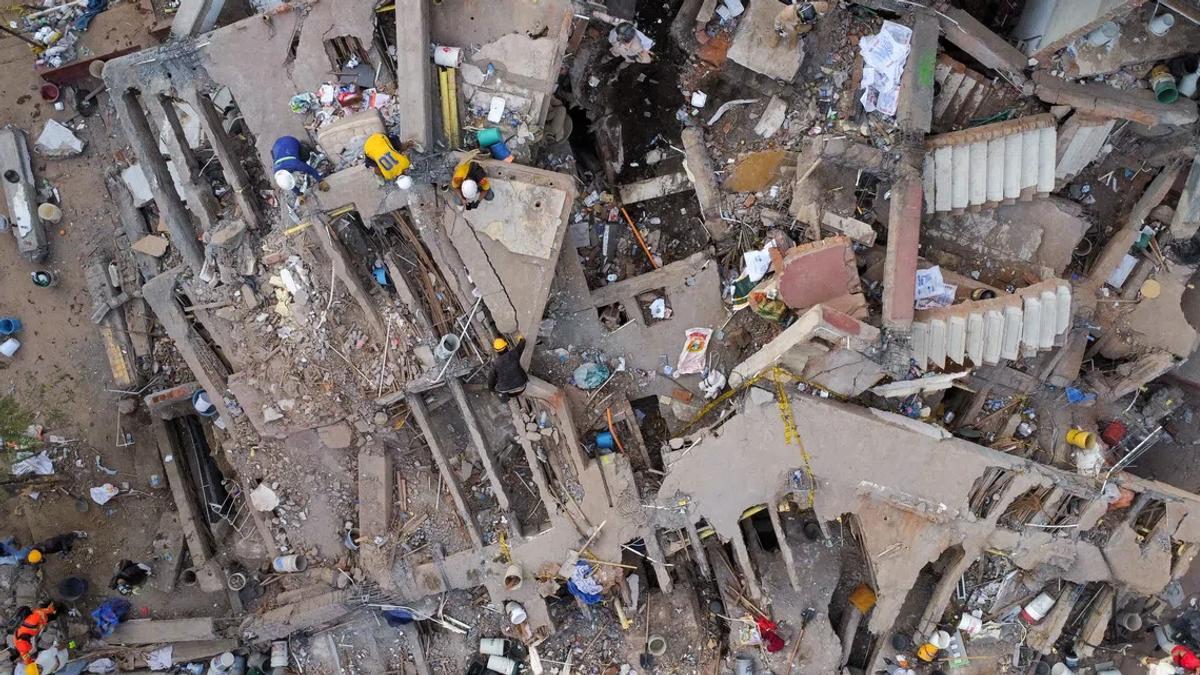
A powerful earthquake struck Colombia on Monday morning, leaving a trail of destruction and chaos in its wake. The 7.4-magnitude quake, the strongest felt in Colombia in several decades, has resulted in nearly 250 deaths, with many more still trapped beneath collapsed buildings.
The Colombian government's response to the disaster has been swift, with rescue teams racing against time to find survivors. However, the presence of large crowds of volunteers and onlookers initially hindered the search efforts, highlighting the challenges of coordinating relief operations in the aftermath of a disaster. The government's decision to impose tighter controls around the site and direct volunteers to specific tasks has helped rescuers work more effectively.
For those affected by the earthquake, the wait for news about loved ones is agonizing. Marcela Perez, whose partner's 11-year-old daughter is trapped with her grandparents, has been waiting since Monday for any news. The human cost of the disaster is evident in the stories of those who have lost loved ones or are still waiting to be rescued. The earthquake has also highlighted the vulnerability of Colombia's infrastructure, particularly in urban areas like Cali, where the quake has exposed the need for more robust building codes and disaster preparedness measures.
While the Colombian government has been praised for its response to the disaster, there are concerns about the long-term impact of the earthquake on the country's economy and infrastructure. The government may be downplaying the extent of the damage to avoid panic and maintain stability, but this could have significant consequences for the country's ability to recover and rebuild. Furthermore, the international community's response to the disaster has been relatively muted, raising questions about the level of support that Colombia can expect to receive in the coming weeks and months.
As the search for survivors continues, readers should watch for updates on the government's relief efforts and the international community's response to the disaster. The coming days will be crucial in determining the extent of the damage and the number of casualties. Additionally, the Colombian government's ability to respond to the disaster and provide support to those affected will be closely watched, particularly in light of the country's history of natural disasters and its vulnerability to future earthquakes.
Editor's Note: The analysis is based on current reports and may be subject to change as more information becomes available.
Source referenced: STRAITSTIMES
This brief was synthesized by our Editorial Engine and reviewed by The Ground Narrative team.