TRENDING

Monday, 5 October 2026
----------------------
24 Rabi' Al-Thani 1448 AH
A devastating earthquake in western Colombia has left a trail of destruction, with the death toll rising to 224. As rescue efforts continue, the focus shifts to the human cost and the long-term implications for the affected communities. The disaster has exposed the vulnerabilities of Colombia's infrastructure and the need for disaster preparedness.
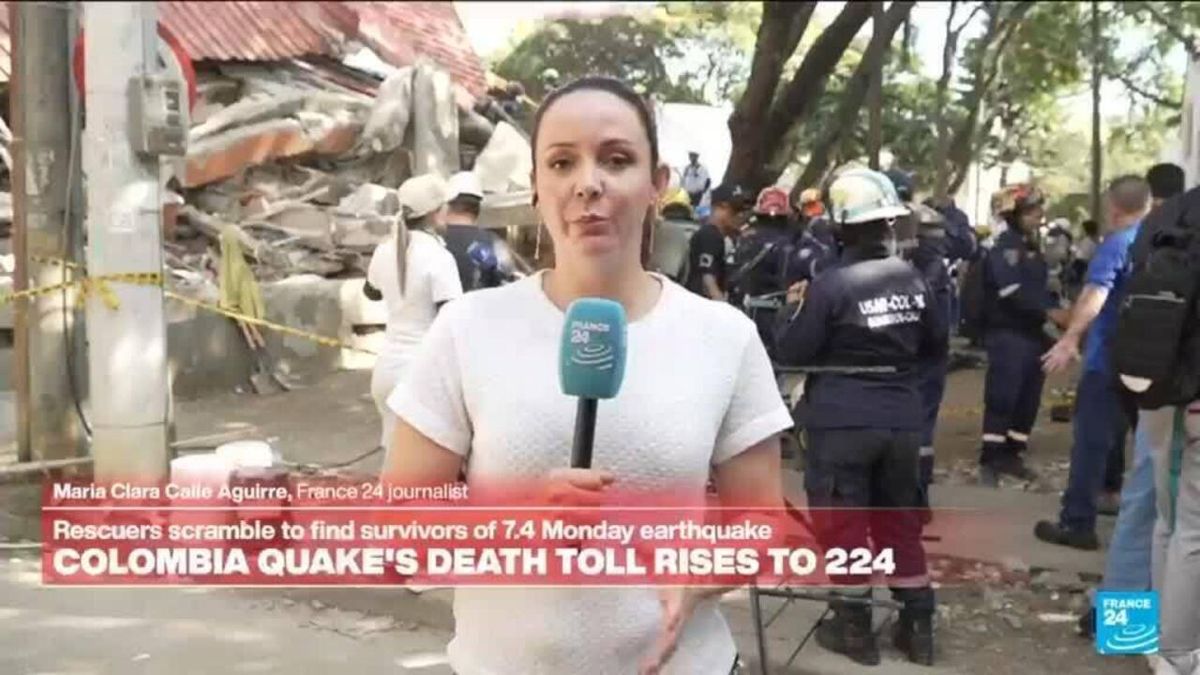
A powerful earthquake struck western Colombia, causing widespread destruction and claiming the lives of 224 people. The disaster has left many more injured and displaced, with rescue efforts ongoing to search for survivors trapped under the rubble.
The earthquake has highlighted the weaknesses in Colombia's disaster preparedness and infrastructure. The country's location in a seismically active region makes it prone to earthquakes, and the government has been criticized for not doing enough to mitigate the risks. The disaster has also exposed the economic and social vulnerabilities of the affected communities, with many people lacking access to basic services such as healthcare and shelter.
The people most affected by the earthquake are those living in the impoverished neighborhoods of western Colombia. Many of these communities lack access to basic services, and the disaster has only exacerbated their struggles. The survivors are now facing a long and difficult road to recovery, with many having lost their homes, livelihoods, and loved ones. The psychological trauma caused by the disaster will also have a lasting impact on the affected communities.
While the international community has responded to the disaster with offers of aid and support, there are concerns that the relief efforts may be hindered by corruption and inefficiency. The Colombian government has been criticized for its handling of previous disasters, and there are fears that the same mistakes may be repeated. Additionally, the disaster has highlighted the need for greater investment in disaster preparedness and infrastructure, which has been neglected in favor of other priorities.
As the rescue efforts continue, it is essential to monitor the government's response to the disaster and its commitment to supporting the affected communities. The international community should also be watching to see how the aid is being distributed and whether it is reaching those who need it most. In the long term, the focus should be on rebuilding and strengthening the affected communities, with a emphasis on disaster preparedness and infrastructure development. The Colombian government should also be held accountable for its handling of the disaster and its response to the needs of its citizens.
Editor's Note: The analysis is based on publicly available information and may not reflect the full complexity of the situation on the ground.
Source referenced: FRANCE24
This brief was synthesized by our Editorial Engine and reviewed by The Ground Narrative team.