TRENDING

Monday, 5 October 2026
----------------------
24 Rabi' Al-Thani 1448 AH
A magnitude 7.4 earthquake has struck Colombia, killing at least 273 people and injuring over 3,800, with hospitals in the city of Cali struggling to cope with the influx of patients. Despite the challenges, the city's healthcare system has been described as stable, thanks to effective organisation and support from volunteers and the national government.
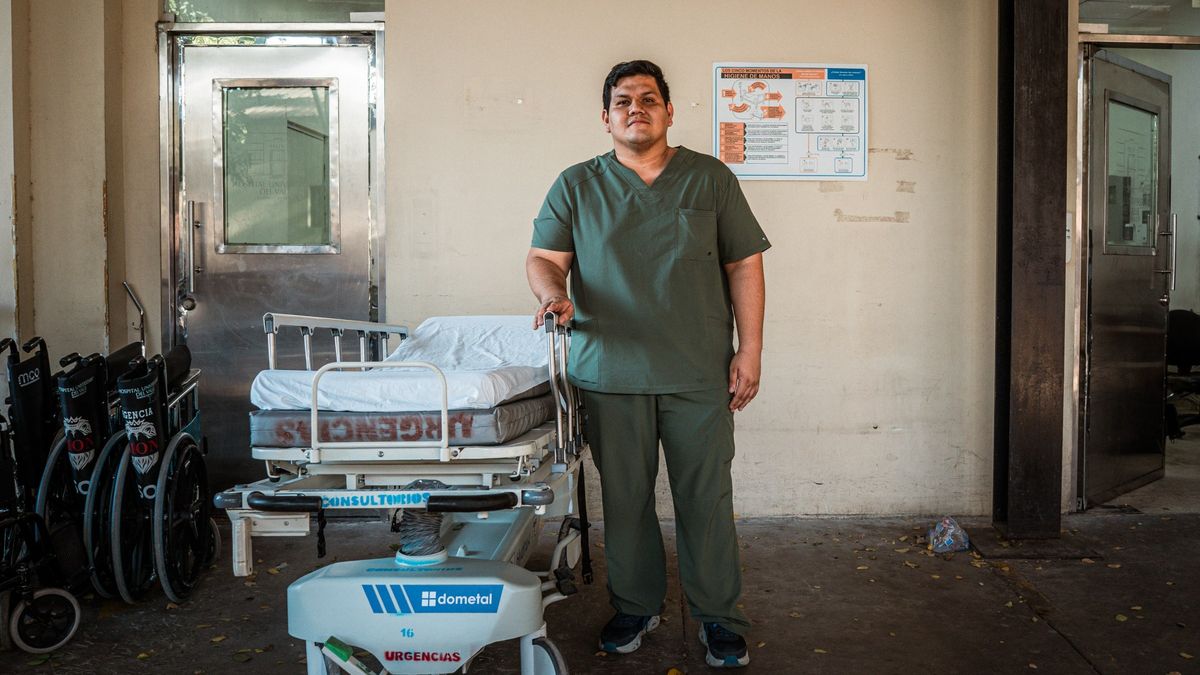
A devastating earthquake has hit Colombia, causing widespread damage and loss of life. The quake, which measured 7.4 in magnitude, struck the western part of the country, leaving at least 273 people dead and over 3,800 injured. The city of Cali, with a population of two million, has been particularly affected, with 96 deaths and 1,224 injuries reported.
The earthquake has exposed the cracks in Colombia's healthcare system, with hospitals in Cali struggling to cope with the influx of patients. The University Hospital of the Valle Evaristo Garcia, a major public medical centre, has been forced to turn away most patients due to extensive structural damage. However, thanks to effective organisation and support from volunteers and the national government, the city's healthcare system has been described as stable. The government's response has been praised, with the implementation of a plan to create 'expansion zones' in and around existing health institutions, allowing for the treatment of more patients.
The human cost of the earthquake has been significant, with many people left injured or homeless. The city's hospitals have been overwhelmed, with patients being treated in makeshift facilities and expansion zones. The psychological toll of the disaster should not be underestimated, with many people experiencing trauma and stress. The earthquake has also highlighted the importance of disaster preparedness and the need for a well-coordinated and robust healthcare system.
What is being downplayed in the official statements is the fact that the earthquake has exposed the underlying weaknesses in Colombia's healthcare system. The government's response, while effective in the short term, may not be sustainable in the long term. The lack of investment in the healthcare system and the reliance on volunteers and donations may not be enough to cope with the scale of the disaster. Furthermore, the comparison with Venezuela's response to a similar earthquake highlights the need for a more coordinated and coherent approach to disaster relief.
As the situation in Cali continues to unfold, it is essential to watch for the long-term impact of the earthquake on the city's healthcare system. Will the government be able to sustain its response, or will the system become overwhelmed again? How will the city's residents, particularly those who have been injured or left homeless, be supported in the coming weeks and months? The international community should also be watching, as the earthquake highlights the importance of disaster preparedness and the need for a well-coordinated and robust healthcare system.
Editor's Note: The analysis is based on current reports and may be subject to change as more information becomes available.
Source referenced: ALJAZEERA
This brief was synthesized by our Editorial Engine and reviewed by The Ground Narrative team.