TRENDING

Monday, 5 October 2026
----------------------
24 Rabi' Al-Thani 1448 AH
The recent cocoa price crash has left West African farmers struggling to make ends meet, highlighting the region's structural vulnerabilities and the need for urgent reforms.
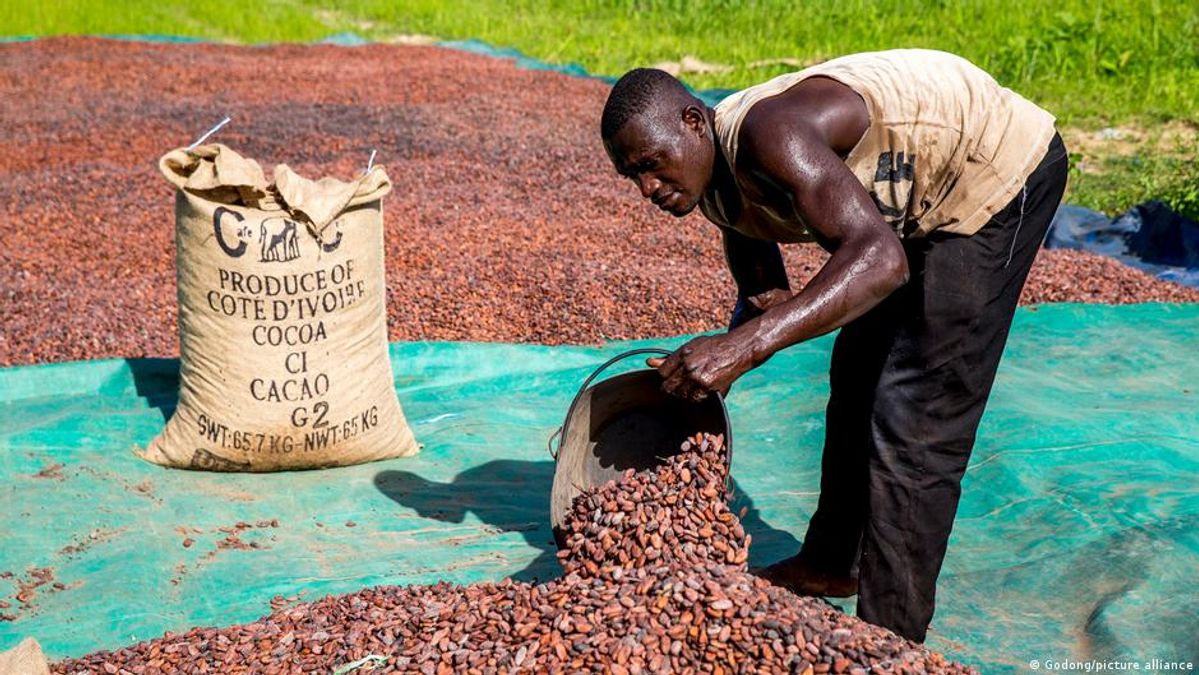
The recent cocoa price crash has sent shockwaves through the global chocolate industry, leaving West African farmers struggling to make ends meet. The price of cocoa beans has plummeted from $13,000 per ton in 2024 to just $3,000, a decline of over 75% in just over a year. This crisis is not just a result of market fluctuations, but rather a symptom of deeper structural issues that have been brewing for years.
The high prices in 2024 were initially driven by poor harvests in West Africa, resulting in a supply shortage. However, as better harvests were forecast, many traders sold their cocoa contracts early to lock in profits. At the same time, the World Bank reported that the very high prices had dampened demand from the chocolate industry, as companies used less cocoa and turned to substitute products. Combined with a stronger US dollar, this led to a significant drop in prices.
The low prices have had a devastating impact on the approximately 2.5 million smallholder farmers who grow cocoa in West Africa. Farmers like Firmin Coulibaly from Cote d'Ivoire are forced to sell their cocoa beans at very low prices, leaving them struggling to make ends meet. In Ghana, many farmers are suffering from delayed payments because middlemen are no longer buying their cocoa.
The crisis highlights a structural problem that has been plaguing West Africa's cocoa industry for years. African countries primarily export raw cocoa, while value is added abroad. This means that the profit margins of chocolate manufacturers are significantly higher than those of traders, who only make about 1% of the profit. This has led to a situation where farmers are struggling to survive, while chocolate companies reap the benefits.
The situation facing producers highlights just how urgently reforms are needed. According to Friedel Hütz-Adams of the Südwind Institute for Economics and Ecumenism, prices must rise to at least $4,000 per metric ton and be protected against falling prices so that families can survive without resorting to child labor. Otherwise, chocolate will never become a treat for everyone along the value chain.
The crisis presents an opportunity for West African countries to rethink their approach to the cocoa industry. By implementing policies that support smallholder farmers and promote value addition, they can reduce their dependence on raw cocoa exports and increase their share of the global chocolate market. This will not only benefit farmers but also contribute to the sustainable development of the region.
The cocoa price crash is a wake-up call for West Africa's cocoa industry. It highlights the need for urgent reforms to address the structural vulnerabilities that have been plaguing the sector for years. By working together, West African countries can create a more sustainable and equitable cocoa industry that benefits everyone along the value chain.
Editor's Note: The analysis is based on publicly available information and may not reflect the full complexity of the issue.
Source referenced: DW
This brief was synthesized by our Editorial Engine and reviewed by The Ground Narrative team.