TRENDING

Monday, 5 October 2026
----------------------
24 Rabi' Al-Thani 1448 AH
Elon Musk's public praise for China, alongside a significant increase in foreign tourism, signals Beijing's strategic shift to re-engage the world beyond economic ties. This push aims to mend international perceptions and diversify its global narrative amidst ongoing geopolitical scrutiny.
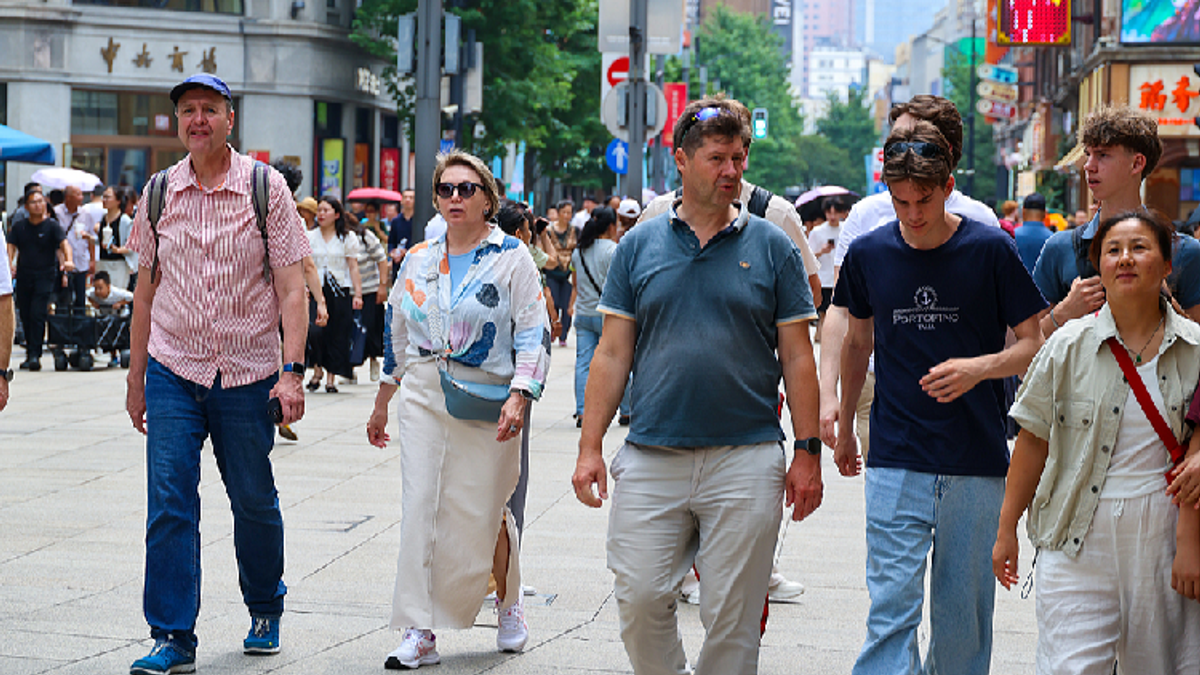
Elon Musk and his mother publicly praised China on social media, highlighting its infrastructure, safety, and cultural appeal. This endorsement arrives as China reports a 20.4% year-on-year increase in inbound foreign visitors during the first half of 2026, with visa-free entries rising even faster. Musk's comments were notably made in response to an investment firm's suggestion that Tesla's reliance on China might be diminishing.
Post-pandemic, China's economy faces structural challenges, and its international image has suffered from various geopolitical tensions. Boosting tourism and cultural exchange is a classic "soft power" play, aiming to counter negative narratives and attract foreign capital beyond manufacturing. It's about diversifying economic engagement and perception management on a global scale.
For Elon Musk, Tesla maintains a massive manufacturing presence in China, particularly with its Shanghai Gigafactory. Maintaining a positive relationship with Beijing is crucial for its operations, market access, and supply chain stability. Public praise from a high-profile figure like Musk, especially when his business interests are so deeply intertwined, serves as a powerful, albeit informal, diplomatic tool. It signals continued commitment and goodwill, potentially securing favorable operating conditions and countering narratives that might suggest a weakening of Tesla's presence or need for the Chinese market. His direct response to the ARK Invest podcast underscores a deliberate effort to manage this perception.
The rise in tourism and improving international perceptions, as indicated by surveys, suggest China's efforts to project an image of openness and stability are yielding results. This is a deliberate state strategy to win over individual visitors and, through them, influence broader public opinion in their home countries, subtly shifting the global discourse around China.
While tourists enjoy China's infrastructure and cultural sites, the narrative often glosses over the experiences of ordinary Chinese citizens living under strict social controls and pervasive surveillance. The "polite, hard-working, and respectful" image presented by Musk's mother, while potentially true for tourist interactions, doesn't fully reflect the political realities for dissidents, ethnic minorities, or even everyday citizens navigating the state's extensive monitoring systems.
For foreign businesses operating within China, the human cost can manifest as navigating complex regulatory environments, intellectual property concerns, and the subtle pressures to align with state narratives. The "safety" and "cleanliness" praised by visitors are often maintained through systems that prioritize state control over individual liberties, a trade-off not always visible or relevant to the transient tourist, but deeply impactful for those who live there.
What's downplayed or omitted is the strategic depth of China's "charm offensive." The increase in tourism isn't merely an organic rebound; it's a direct result of targeted visa-free policies, aggressive promotion of cultural sites, and a concerted effort to project an image of stability and opportunity. This campaign aims to dilute the impact of critical reports on human rights, economic coercion, and geopolitical assertiveness by showcasing a different, more inviting face of China to the world.
Furthermore, the praise from figures like Elon Musk, while framed as personal opinion, carries significant weight and can be strategically leveraged by state media to validate China's narrative on the global stage. The symbiotic relationship between global corporations seeking market access and a state seeking international legitimacy is often obscured. It's not just about tourism; it's about influencing global opinion leaders and, through them, shaping broader public discourse. The financial incentives for powerful individuals and corporations to align with Beijing's messaging are rarely disclosed in such public endorsements, yet they are a fundamental part of the power dynamic.
Readers should observe whether this surge in tourism translates into deeper economic engagement beyond consumer spending, such as increased foreign direct investment in non-tech sectors. Also, watch for how other global business leaders respond to China's overtures; will more follow Musk's lead, or will geopolitical tensions continue to deter broader engagement?
Crucially, monitor the evolution of China's visa policies and cultural exchange programs. Are these temporary measures designed primarily to boost post-pandemic recovery, or do they represent a fundamental, long-term shift in Beijing's strategy to cultivate global goodwill and counter Western narratives? The true test will be if this "soft power" can genuinely alter perceptions among ordinary citizens in democratic nations, or if it remains primarily a tool for elite engagement and economic leverage.
Source referenced: CGTN
This brief was synthesized by our Editorial Engine and reviewed by The Ground Narrative team.