TRENDING

Monday, 5 October 2026
----------------------
24 Rabi' Al-Thani 1448 AH
Chinese manufacturers are strategically adapting product designs for European markets, moving beyond mass production to address specific consumer needs. This shift, driven by climate change and evolving lifestyles, signifies a maturation of China's industrial base and deepens China-Europe economic ties.
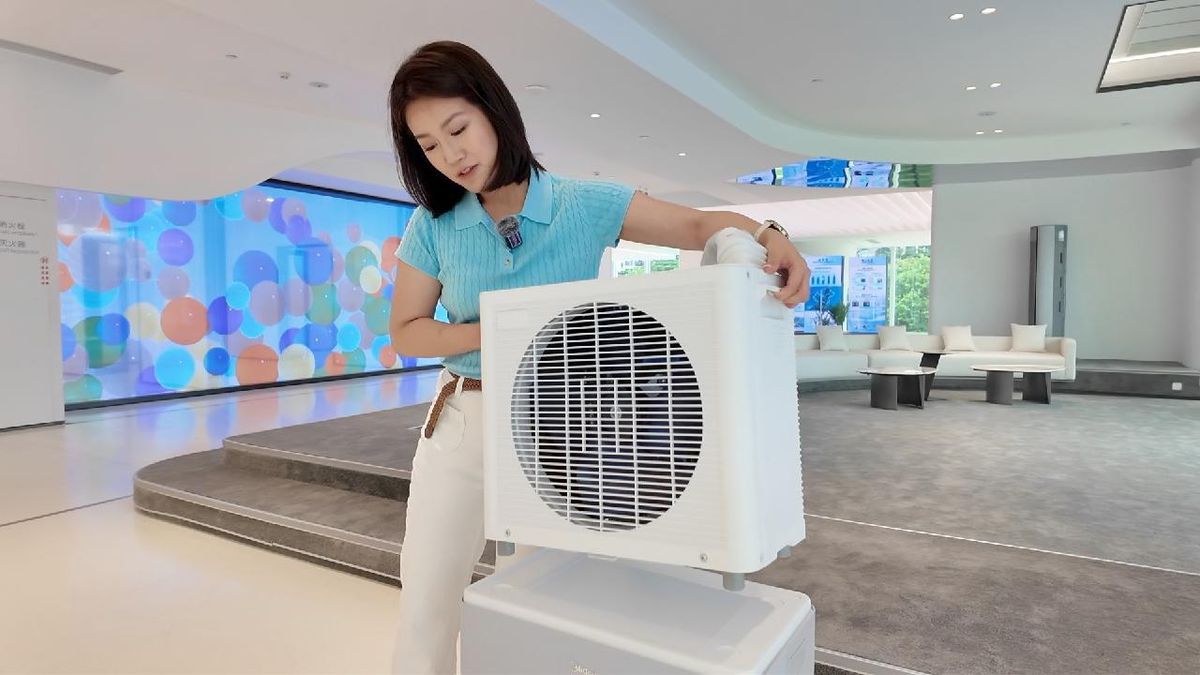
As Europe grapples with increasingly severe summer heatwaves, a significant transformation is underway in the global manufacturing landscape. Chinese companies, traditionally known for their high-volume production, are now strategically pivoting towards a more nuanced approach: designing products specifically tailored to the unique demands and lifestyles of European consumers. This evolution marks a departure from the conventional Original Equipment Manufacturer (OEM) model, signaling a maturation of China's industrial capabilities and a deepening of its engagement with international markets.
The impetus for this shift is multifaceted. Europe's recurring extreme heat has created a surging demand for cooling solutions, ranging from portable fans and ice makers to sophisticated air conditioning units. However, simply exporting existing products is no longer sufficient. Chinese manufacturers are now investing heavily in understanding the specific challenges faced by European consumers. For instance, Midea, a leading Chinese appliance manufacturer, has developed a portable split air conditioner explicitly for the European market. This unit, weighing just 10 kilograms, can be easily mounted on a windowsill without requiring professional installation or wall drilling. This innovation directly addresses critical European consumer pain points, such as high rental rates, restrictions on exterior modifications in older or historic buildings, and the scarcity of installers during peak summer seasons. Furthermore, the design prioritizes energy efficiency and quiet operation, features highly valued by European households seeking to manage electricity costs and maintain comfort.
The development process for such products underscores a new strategic approach. Instead of merely modifying existing models, companies like Midea are initiating product development by identifying specific local needs. This involves close collaboration between R&D teams in China and industrial design teams in Europe, as exemplified by Midea's three-year development cycle with an Italian design team. This collaborative model allows for the integration of local insights directly into the product's conceptualization and engineering phases, ensuring that the final offering is not just functional but also culturally and practically relevant. The success of this strategy is evident in Midea's reported doubling of sales for its portable AC model in Europe, reaching approximately 200,000 units this year.
This trend extends beyond air conditioners. Manufacturers in Yiwu, a major trade hub in eastern China's Zhejiang Province, are reporting increased overseas demand for portable cooling products. Similarly, a Ningbo-based manufacturer saw its exports of portable ice makers to Europe surge by over 70 percent in the first five months of the year. This broader adoption of consumer-centric design reflects a fundamental transformation across China's consumer goods sector, moving beyond the traditional OEM model towards independent product development driven by market demand and technological innovation.
This strategic shift carries significant geopolitical and economic implications. For China, it represents a crucial step up the global value chain, transitioning from a manufacturing powerhouse focused on volume to an innovation-driven economy capable of sophisticated product design and market responsiveness. As Liu Zhijie, director of the International Cooperation Department at the China Development Institute, notes, Chinese companies are now bringing independently developed products to market much faster, driven by consumer demand rather than solely by client specifications.
For Europe, this trend means access to more tailored, energy-efficient, and user-friendly products that directly address local challenges, particularly those exacerbated by climate change. It also deepens economic interdependence between China and Europe, potentially fostering greater understanding and cooperation in trade, even amidst broader geopolitical tensions. The enhanced efficiency of logistics, facilitated by the expanding China-Europe freight train network, further supports this rapid market responsiveness, with some shipments reaching Europe in as little as 15 days, significantly faster than traditional sea transport.
Ultimately, this evolution in Chinese manufacturing signifies a new era of global competition, where success is increasingly determined not just by production scale but by the ability to deeply understand and effectively meet the specific needs of diverse international markets. This strategic adaptation positions Chinese companies to build stronger brands and cultivate greater consumer loyalty in key global regions like Europe, reshaping the dynamics of international trade and industrial innovation for the foreseeable future.
Source referenced: CGTN
This brief was synthesized by our Editorial Engine and reviewed by The Ground Narrative team.