TRENDING

Sunday, 4 October 2026
----------------------
23 Rabi' Al-Thani 1448 AH
China has slammed Japan's latest defense white paper, accusing it of spreading false narratives and hyping a security crisis in the region. The dispute has significant implications for regional stability and the global balance of power. As tensions escalate, the human cost of a potential conflict looms large.
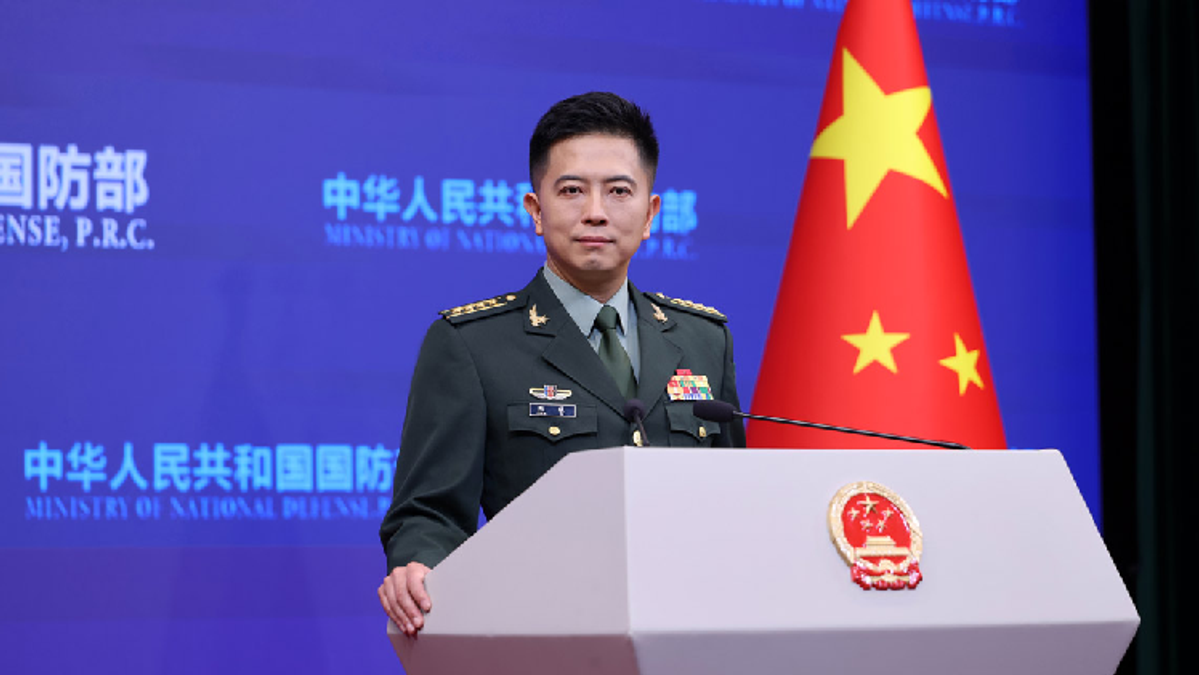
China's defense spokesperson, Chen Xi, has criticized Japan's annual defense white paper, labeling it as full of false narratives and an attempt to create a pretext for Japan's military buildup. The white paper describes China's military developments as an 'unprecedented and the greatest strategic challenge' and claims that China has intensified its military activities around Taiwan.
The power dynamics at play are rooted in a complex history of aggression and a struggle for regional dominance. Japan's 'new militarism' has become increasingly entrenched, with the country accelerating revisions to its key security documents, increasing defense spending, and developing long-range offensive capabilities. China views these moves as a serious challenge to the postwar international order and a threat to regional peace and stability. The Taiwan question is a critical factor, with China considering it a matter of sovereignty and territorial integrity.
The people of Taiwan, Japan, and the surrounding regions are most at risk of bearing the human cost of a potential conflict. The escalation of tensions between China and Japan could lead to a devastating war, resulting in significant loss of life, displacement, and economic devastation. The international community must consider the potential consequences of a conflict and work towards de-escalation.
What is being downplayed in the official statements is the historical context of Japan's aggression and its impact on the region. China's criticism of Japan's 'new militarism' is not just about the country's military expansion but also about its attempt to rewrite history and avoid accountability for past atrocities. The international community must acknowledge this history and consider its implications for regional stability.
As the situation continues to unfold, readers should watch for signs of further escalation, including increased military buildups, provocative statements, and diplomatic tensions. The role of the United States and other regional actors will be critical in determining the trajectory of the conflict. The international community must remain vigilant and work towards a peaceful resolution to avoid a catastrophic war.
Editor's Note: The analysis is based on publicly available information and may not reflect the full complexity of the situation.
Source referenced: CGTN
This brief was synthesized by our Editorial Engine and reviewed by The Ground Narrative team.