TRENDING

Monday, 5 October 2026
----------------------
24 Rabi' Al-Thani 1448 AH
The Lunar Light Festival has transformed Bulgaria's Black Sea coast into an open-air gallery, but beneath the surface of this cultural event lies a complex web of geopolitical interests. As the region becomes increasingly important for European energy security, the festival serves as a reminder of the human side of international power struggles.
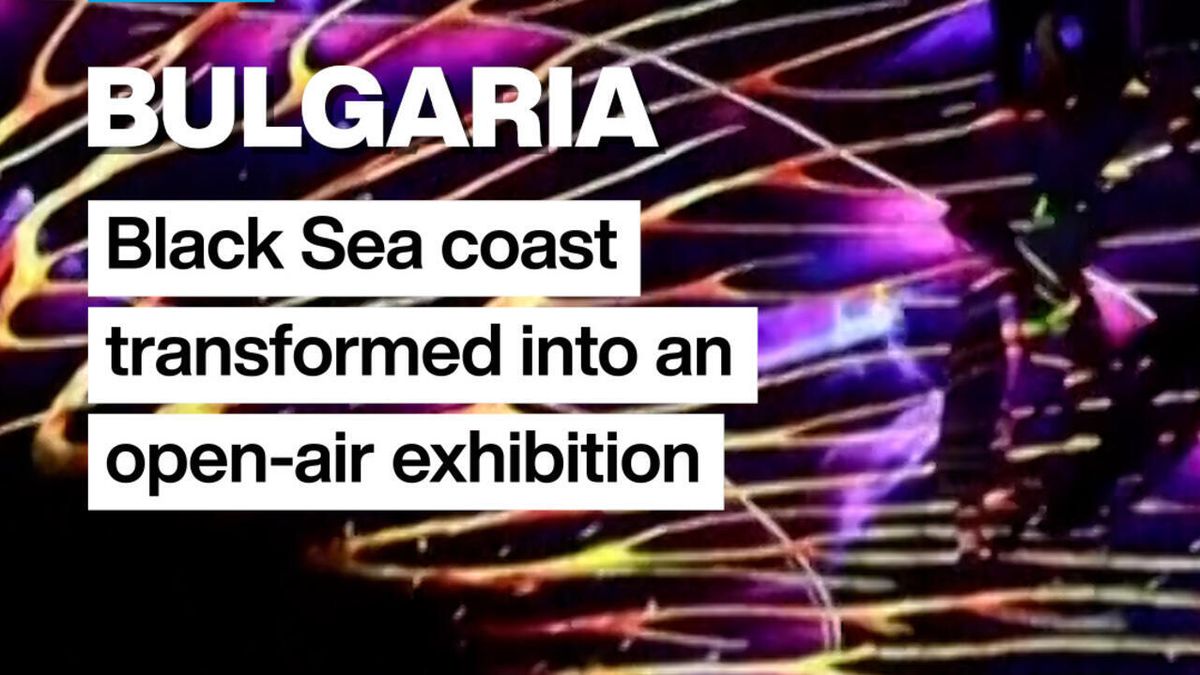
The second edition of the LUNAR: Sea of Lights festival has taken place in Bulgaria, featuring the work of 17 artists from eight countries across five resort towns on the Black Sea coast. This immersive open-air gallery has brought digital art and landscape together, attracting visitors from around the world.
Bulgaria's Black Sea coast is not just a hub for cultural events, but also a critical location for European energy security. The region is home to several major pipelines, including the TurkStream pipeline, which carries Russian natural gas to Europe. As tensions between Russia and Ukraine continue to escalate, the Black Sea has become an increasingly important geopolitical hotspot. The festival, while showcasing the region's cultural significance, also highlights the delicate balance of power in the area.
As the conflict between Russia and Ukraine intensifies, the human cost of the war is being felt across the region. Civilian casualties are on the rise, and the economic impact of the conflict is being felt by communities in both Ukraine and Bulgaria. The Lunar Light Festival, while a celebration of art and culture, serves as a reminder of the human side of international power struggles. The people living in the region, including those in the five resort towns where the festival took place, are often caught in the middle of these geopolitical tensions.
What is being downplayed in the coverage of the Lunar Light Festival is the role of external actors in the region. The United States, the European Union, and other international players have significant interests in the Black Sea, and their involvement in the region is often shrouded in secrecy. The festival, while a celebration of culture, also serves as a reminder of the complex web of alliances and rivalries that exist in the region. The fact that Ukraine has denied targeting Bulgaria after a drone exploded near a gas pipeline highlights the tensions and suspicions that exist between nations in the area.
As the situation in the region continues to evolve, it is essential to watch for signs of increased militarization and external involvement. The Black Sea has become a critical location for European energy security, and any disruption to the region's pipelines or shipping lanes could have significant consequences for the global economy. The Lunar Light Festival may seem like a distant cultural event, but it is a reminder of the human side of international power struggles and the need for careful observation of the complex geopolitical dynamics at play in the region.
Editor's Note: The analysis is based on publicly available information and may not reflect the full complexity of the situation on the ground.
Source referenced: FRANCE24
This brief was synthesized by our Editorial Engine and reviewed by The Ground Narrative team.