TRENDING

Monday, 5 October 2026
----------------------
24 Rabi' Al-Thani 1448 AH
A devastating wildfire in the English town of Stourbridge has destroyed homes and displaced residents, prompting Prime Minister Andy Burnham to urge a faster transition to clean energy. As the UK struggles to cope with the growing risk of wildfires, the human cost of climate change is becoming increasingly evident. The government's response to the crisis has been criticized for being inadequate, with fire chiefs warning that investment is falling short of the growing risks.
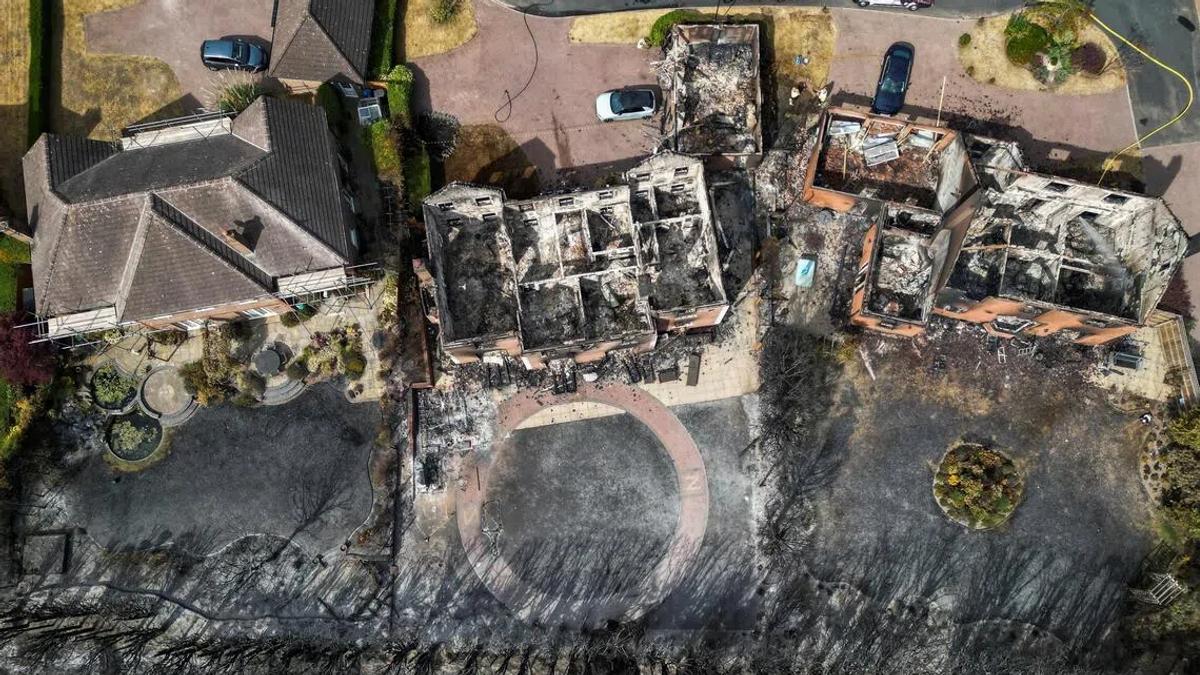
A wildfire in the English town of Stourbridge has destroyed 19 houses and damaged 18 more, causing evacuations and hospitalizations due to smoke inhalation. The fire, which was fueled by dry conditions and high temperatures, has been linked to climate change by Prime Minister Andy Burnham.
The UK government's response to the crisis has been criticized for being inadequate, with fire chiefs warning that investment is falling short of the growing risks. The government has introduced a ban on selling disposable barbecue equipment, but fire chiefs are calling for more support and planning to acquire firefighting planes. The UK's transition to clean energy has been slow, and the country is still heavily reliant on fossil fuels. The government's reluctance to take decisive action on climate change has been driven by a combination of factors, including the influence of powerful lobby groups and the fear of economic disruption.
The human cost of the wildfire in Stourbridge has been significant, with residents displaced and homes destroyed. The fire has also had a devastating impact on the local community, with many people suffering from smoke inhalation and heat exhaustion. The ambulance service in the West Midlands region has treated 68 people with symptoms related to the fire, with 25 of them being hospitalized. The fire has also had a profound impact on the mental health of those affected, with many people experiencing anxiety and trauma.
What is being downplayed in the government's response to the crisis is the extent to which climate change is driving the growing risk of wildfires in the UK. The government has been criticized for its slow response to the crisis, and for failing to provide adequate support to fire services. The UK's climate change policies have been criticized for being inadequate, and the country is still not on track to meet its climate change targets. The government's reluctance to take decisive action on climate change has been driven by a combination of factors, including the influence of powerful lobby groups and the fear of economic disruption.
As the UK continues to struggle with the growing risk of wildfires, readers should watch for the government's response to the crisis. Will the government take decisive action to address the root causes of the problem, or will it continue to rely on short-term solutions? The acquisition of firefighting planes is a positive step, but it is only a small part of the solution. The UK needs to take a comprehensive approach to addressing climate change, including investing in clean energy and reducing greenhouse gas emissions. Readers should also watch for the impact of the wildfire on the local community, and the long-term effects of the disaster on the mental health and well-being of those affected.
Editor's Note: The analysis is based on publicly available information and may not reflect the full complexity of the situation.
Source referenced: STRAITSTIMES
This brief was synthesized by our Editorial Engine and reviewed by The Ground Narrative team.


