TRENDING

Monday, 5 October 2026
----------------------
24 Rabi' Al-Thani 1448 AH
Brazil's vast rare earth reserves have become a coveted prize in the global scramble for critical minerals, but the country's readiness to meet the demand remains uncertain.
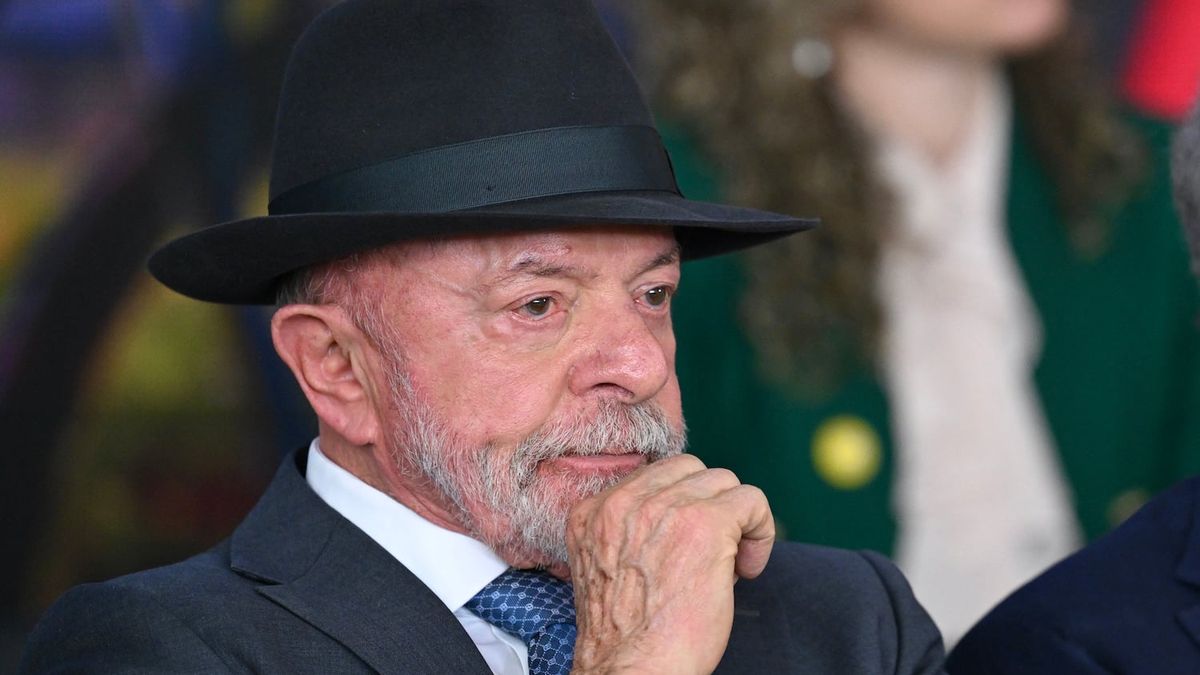
Brazil's vast rare earth reserves have become a coveted prize in the global scramble for critical minerals, but the country's readiness to meet the demand remains uncertain. The European Union, the United States, South Korea, Japan, India, Canada, Australia, and China are all vying for access to Brazil's potential rare-earth riches, which are estimated to be the world's second-biggest after China.
Rare earths are a group of 17 elements that are crucial for the production of advanced technologies, including electronics, renewable energy systems, and military equipment. The global demand for rare earths is expected to increase significantly in the coming years, driven by the growing adoption of electric vehicles, wind turbines, and other clean energy technologies.
Despite the high stakes, Brazil's government is still figuring out what it wants to do with its rare earth reserves. The country lacks a proper geological survey to determine the extent of its resources, and its regulatory frameworks are still in development. The Brazilian Congress is currently weighing several bills addressing rare earths and critical minerals, but a national critical mineral policy has yet to be unveiled.
Foreign companies are already taking advantage of Brazil's regulatory uncertainty, with some directly dealing with state governments to secure access to the country's rare earth reserves. However, other companies are holding back due to concerns about policy discontinuity and the potential for a national strategy to change the rules of the game.
The upcoming presidential elections in October will inject even more uncertainty into the situation. The incumbent President Luiz Inácio Lula da Silva has made clear his preference for multilateralism and has resisted pressure from the Trump administration to sign a minerals deal. However, his far-right challenger Flávio Bolsonaro is expected to further align with the United States, which could have significant implications for the mining sector.
Brazil's rare earth reserves are a critical moment in global geopolitics, with far-reaching implications for the country's economy, politics, and relationships with other nations. While the country's government is still figuring out what it wants to do with its resources, foreign companies are already taking advantage of the regulatory uncertainty. The outcome of the upcoming presidential elections will be crucial in determining the future of Brazil's rare earth sector.
Editor's Note: The analysis is based on publicly available information and may not reflect the full complexity of the situation.
Source referenced: FOREIGNPOLICY
This brief was synthesized by our Editorial Engine and reviewed by The Ground Narrative team.


