TRENDING

Sunday, 4 October 2026
----------------------
23 Rabi' Al-Thani 1448 AH
European nations are grappling with internal divisions and U.S. pressure as they seek to assert greater leadership within NATO, aiming for a 'NATO 3.0' while managing the implications of potential U.S. disengagement. The upcoming Ankara summit highlights the complex interplay of defense spending, industrial rivalries, and strategic autonomy within the alliance.
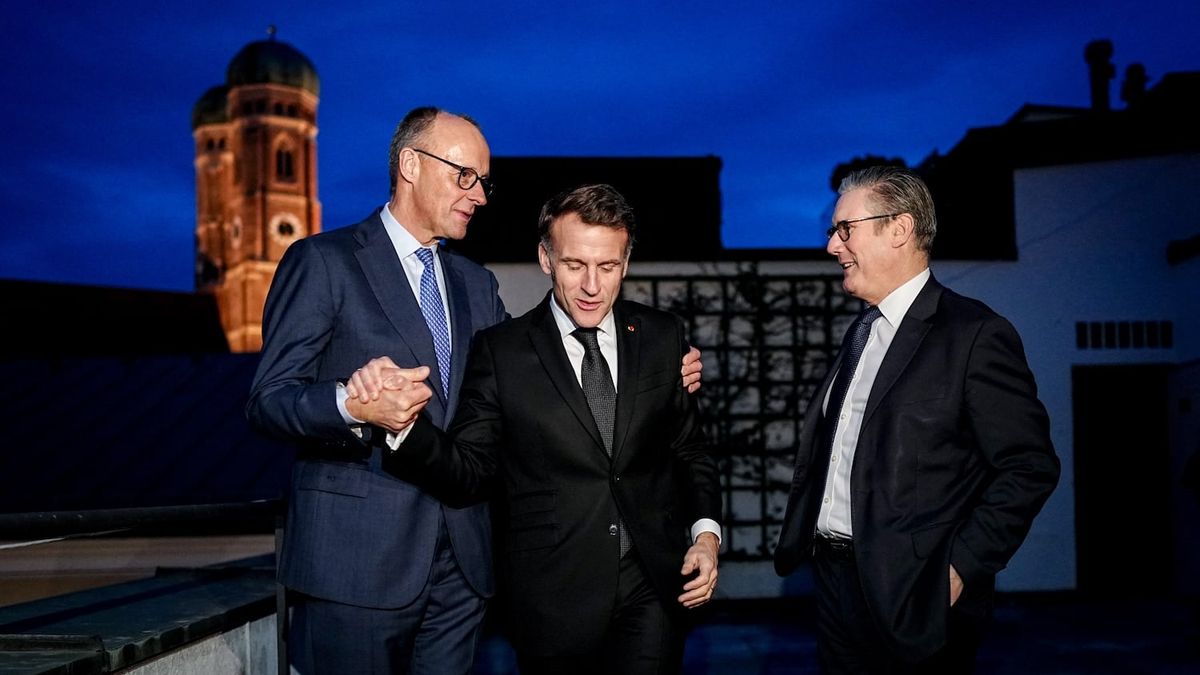
As the North Atlantic Treaty Organization (NATO) approaches a critical juncture, European allies are confronting the complex challenge of assuming greater leadership within the alliance, a shift driven by persistent U.S. demands for increased burden-sharing and the specter of a more isolationist American foreign policy. The upcoming NATO summit in Ankara, Turkey, scheduled for this week, serves as a pivotal moment where the future trajectory of transatlantic security cooperation is expected to be shaped. This comes amidst a backdrop of intense diplomatic maneuvering, exemplified by NATO Secretary-General Mark Rutte's recent efforts in Washington to highlight European defense spending to U.S. President Donald Trump, emphasizing over a trillion dollars spent by allies since 2017 and the creation of American jobs.
Since 2017, U.S. administrations have consistently urged European NATO members to meet or exceed the 2% of GDP defense spending target. The current U.S. administration's approach, as indicated by President Trump's past rhetoric and the focus on specific pledges like the '5 percent pledge' made at The Hague summit, has intensified this pressure. In response, European nations are significantly increasing their defense budgets, with Germany, for instance, committing 750 billion euros to rearmament by the 2030s, aiming to build the largest European army. A substantial portion of this expenditure, approximately 60% in Germany's case, is directed towards acquiring U.S. military equipment, reflecting a pragmatic approach to fill immediate capability gaps and, critically, to maintain U.S. security guarantees. This influx of European capital into the U.S. defense industry underscores the economic dimension of transatlantic security, creating a powerful incentive for continued U.S. engagement.
Despite a broad consensus among European allies on the need to bolster their collective defense and manage the potential for U.S. asset withdrawal, deep divisions persist regarding the practicalities of a 'European-dominated defensive alliance' or 'NATO 3.0'. These divisions manifest across several critical areas:
* Industrial Rivalries: National industrial interests frequently clash, impeding deeper defense integration. A notable example is the collapse of a joint Franco-German fighter jet deal due to disputes between Dassault and Airbus's German division. Germany is now exploring alternative paths, signaling a preference for domestic industrial opportunities, even if it means closer ties with U.S. manufacturers.
* Procurement Strategy: A fundamental debate exists over whether to prioritize purchasing U.S. equipment or developing indigenous European defense capabilities. While France advocates for greater strategic independence from the U.S., Germany's Defense Minister Boris Pistorius has indicated openness to domestic production of U.S. equipment, blurring the lines between 'buy American' and 'build European'.
* Duplication of Systems: The pursuit of national sovereignty often leads to a costly duplication of defense systems across Europe. Historian Timothy Garton Ash highlights this inefficiency, noting Europe's 174 main weapon systems compared to the U.S.'s 33, including numerous types of tanks and combat jets. This fragmentation hinders interoperability and wastes resources.
* Leadership and Power Dynamics: Smaller European countries, particularly those on the front line with Russia like Poland, express concerns about being subject to the whims of larger European powers. They often prefer to rely on the established military might of the United States, fearing that a purely European-led NATO might not adequately address their specific security needs. Poland, while increasing its defense spending, explicitly seeks to maintain U.S. involvement rather than solely replacing U.S. kit with European alternatives.
The U.S. has signaled its intention to reduce its contributions to the NATO Force Model, including a significant cut in fighter jets, strategic bombers, destroyers, submarines, and reconnaissance drones. This potential withdrawal of critical assets has compelled European allies to accelerate efforts to bridge these capability gaps. While initial concerns existed that some nations, particularly France, might reserve their best military assets for national security, diplomatic sources suggest that allies have largely managed to resolve these issues in the run-up to the Ankara summit, with contributions expected to largely compensate for the anticipated U.S. reductions. The command structure of a future NATO is also evolving, with key joint commands set to be led by British, German, and Italian commanders, while the Supreme Allied Commander Europe (SACEUR) will remain American, and component commands for air, land, and sea will stay with the U.S.
The current period represents a critical inflection point for NATO and the transatlantic alliance. While there is broad agreement among European nations on the imperative to contain Russia and manage the diplomatic complexities presented by the U.S. administration, the path towards a more European-led NATO remains fraught with internal challenges. The differing visions for strategic autonomy versus continued transatlantic integration, coupled with industrial rivalries and power struggles, underscore the difficulty of forging a truly unified European defense posture. Some allies harbor hopes that the perceived decline in transatlantic ties is temporary, contingent on future U.S. elections, while others, notably France, are actively pushing for a more independent European defense architecture. The Ankara summit will undoubtedly provide further clarity on the immediate future of NATO, but the long-term strategic choices facing Europe will continue to shape global security dynamics for decades to come.
Source referenced: FOREIGNPOLICY
This brief was synthesized by our Editorial Engine and reviewed by The Ground Narrative team.


