TRENDING

Sunday, 4 October 2026
----------------------
23 Rabi' Al-Thani 1448 AH
UN Under-Secretary-General Martin Griffiths argues that the Responsibility to Protect (R2P) doctrine can be resurrected, despite its past failures, and outlines steps to implement it effectively.
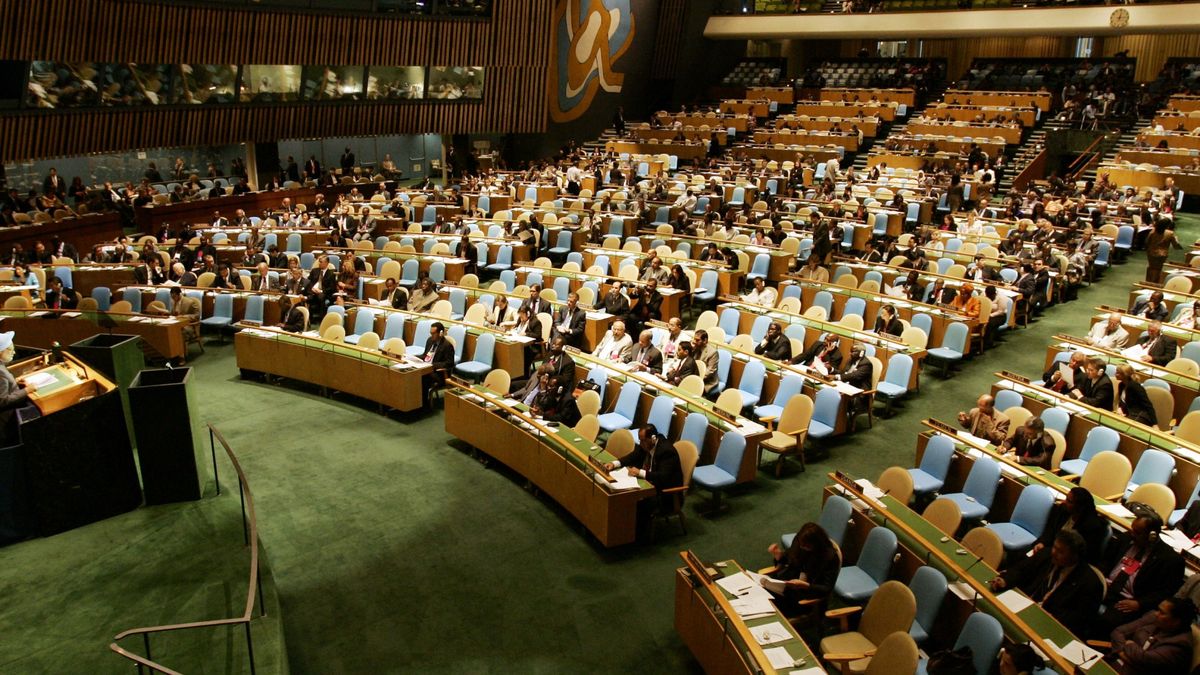
The Responsibility to Protect (R2P) doctrine was first introduced in 2001 by the International Committee on Intervention and State Sovereignty as a framework to prevent crimes against humanity and genocide. The doctrine was later embedded into international law in 2005 at the UN World Summit, where world leaders agreed that the international community has a responsibility to protect populations from genocide, war crimes, ethnic cleansing, and crimes against humanity.
Despite its ambitious goals, the R2P doctrine has failed to effectively prevent atrocities across the world. The lack of interest from powerful member states, politicization of R2P, and manipulation of the doctrine for geopolitical agendas have all contributed to its failure. The 2011 intervention in Libya, which was initially framed as a humanitarian intervention, turned into a regime-change operation, further eroding trust in the doctrine.
UN Under-Secretary-General Martin Griffiths argues that the R2P doctrine can be resurrected, despite its past failures. He outlines several steps to implement the doctrine effectively, including reconvening the international committee that developed the framework, revising it to ensure proper implementation, and setting up a mechanism for reporting back to the UN on situations where R2P may need to be applied.
The failure of R2P has had devastating consequences, particularly in regions such as Sudan, Syria, Palestine, and Myanmar. The ongoing atrocities in these regions highlight the need for effective implementation of the R2P doctrine. Reviving R2P could potentially prevent future genocides and crimes against humanity, but it requires a threshold of popular revulsion and political will.
The Responsibility to Protect doctrine may have failed in the past, but it is not a bad principle. It is up to us to take it back to the high and inspiring grounds it once occupied. Reviving R2P requires a concerted effort from the international community, including reconvening the international committee, revising the framework, and setting up a mechanism for reporting back to the UN. The time to act is now, particularly in regions such as Sudan, where another genocidal moment is looming.
Editor's Note: The author's call to action and proposed steps to implement R2P effectively are based on his experience as a UN official involved in humanitarian efforts and conflict mediation.
Source referenced: ALJAZEERA
This brief was synthesized by our Editorial Engine and reviewed by The Ground Narrative team.


