TRENDING

Monday, 5 October 2026
----------------------
24 Rabi' Al-Thani 1448 AH
The U.S.-India trade deal nears completion, but the relationship remains fragile due to historical and contemporary factors.
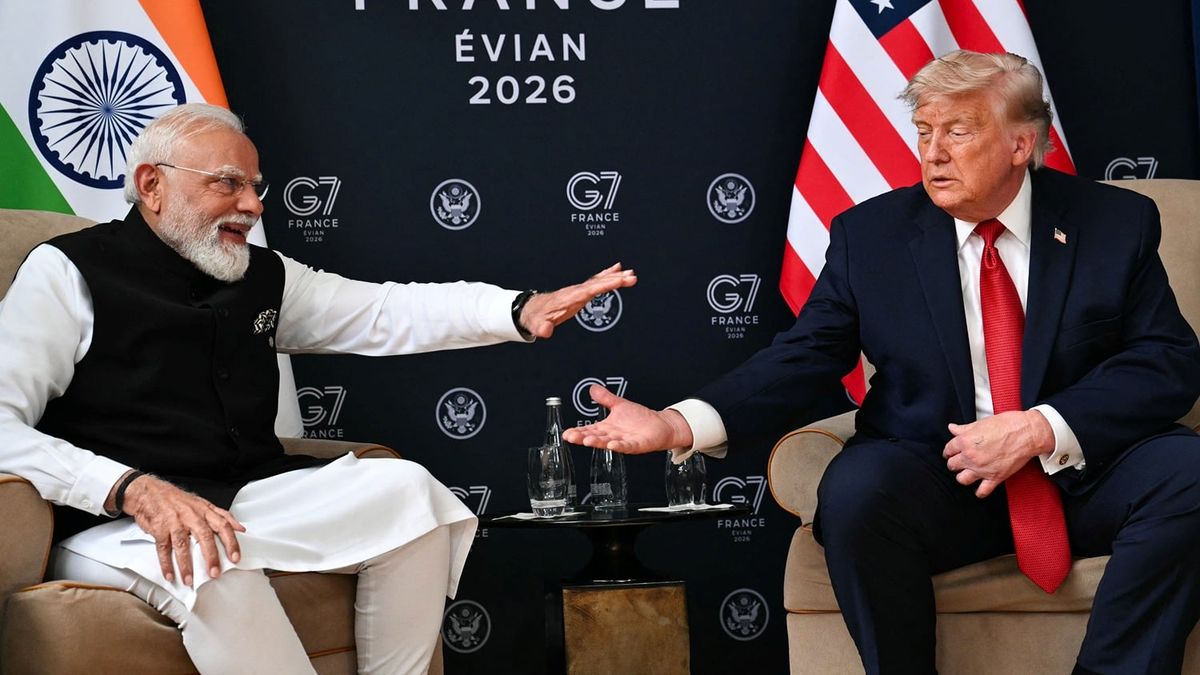
The U.S.-India relationship has been a subject of intense scrutiny in recent years, with the two nations navigating a complex web of strategic interests, trade tensions, and diplomatic challenges. As the two sides near a final trade deal, it is essential to examine the historical context, regional implications, and future consequences of this development.
The U.S.-India relationship has been shaped by decades of mutual trust and cooperation, but this has waned in recent years due to policy shifts under the Trump administration. The imposition of draconian tariffs, hefty fees on H-1B visa applicants, and sanctions on India for its purchases of Russian oil have significantly damaged the bilateral relationship. The conflict between India and Pakistan in May 2025 further exacerbated tensions, with Trump's assertion that he had induced a cease-fire using the threat of trade sanctions being met with skepticism by India.
The U.S. and India have competing strategic interests in the region, with the U.S. seeking to counterbalance China's growing influence and India pursuing its own regional ambitions. The Trump administration's decision to engage with Pakistan as an interlocutor in negotiations to end the Iran war has been particularly damaging to U.S.-India ties, as India has long been critical of Pakistan's role in the region. The U.S. has also been frustrated by India's unwillingness to forthrightly tackle trade issues, including market access, tariffs, and forced labor investigations.
The U.S.-India relationship has significant regional implications, with the two nations playing a crucial role in shaping the dynamics of the Indo-Pacific region. The trade deal, if completed, will have a positive impact on regional stability and economic growth. However, the relationship remains fragile, and any further deterioration could have significant consequences for regional security and economic cooperation.
The future of the U.S.-India relationship will depend on the ability of the two nations to navigate their competing strategic interests and address the outstanding issues in the trade deal. The U.S. will need to demonstrate greater sensitivity to India's concerns about the Iran war and its impact on the region. India, in turn, will need to demonstrate greater flexibility on trade issues and a willingness to engage with the U.S. on strategic matters.
The U.S.-India relationship is a complex and multifaceted issue, with both nations playing a crucial role in shaping the dynamics of the Indo-Pacific region. While the trade deal nears completion, the relationship remains fragile, and any further deterioration could have significant consequences for regional security and economic cooperation. It is essential for both nations to engage in constructive dialogue and address the outstanding issues in the trade deal to ensure a stable and prosperous future for the region.
Source referenced: FOREIGNPOLICY
This brief was synthesized by our Editorial Engine and reviewed by The Ground Narrative team.


