TRENDING

Monday, 5 October 2026
----------------------
24 Rabi' Al-Thani 1448 AH
Brazil faces another pivotal presidential election, pitting incumbent Lula against Flávio Bolsonaro, reviving a familiar political struggle that will shape the nation's direction and global standing.
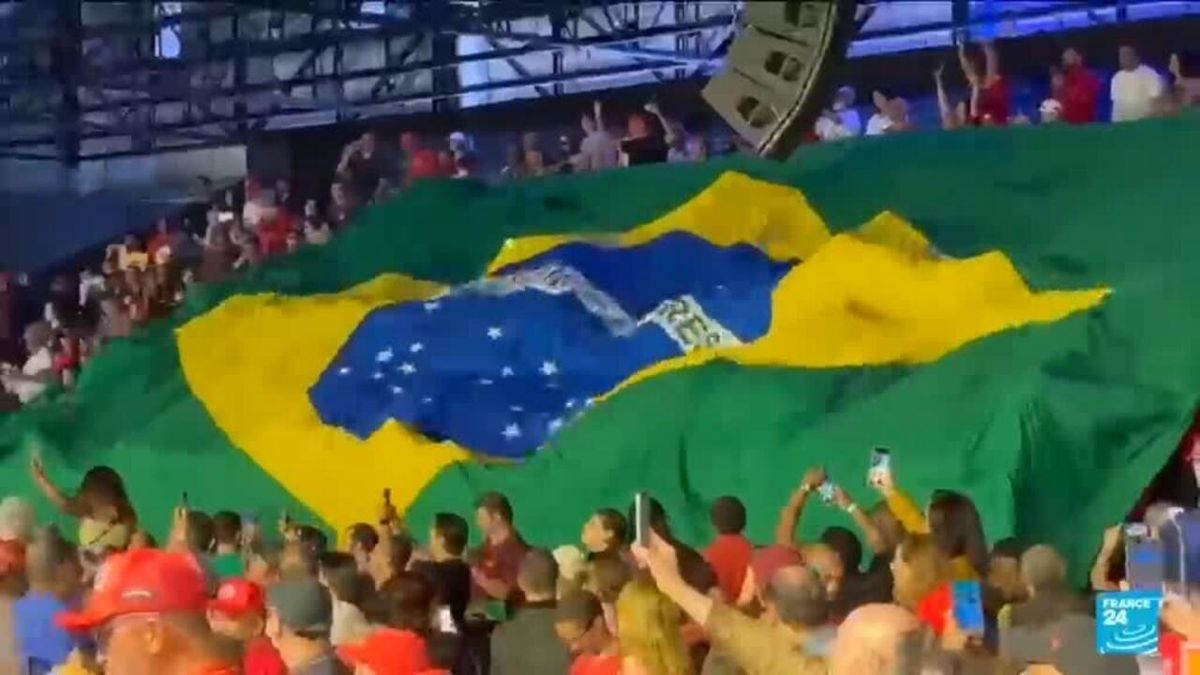
Brazil is once again poised for a high-stakes presidential election this October, featuring a direct contest between incumbent Luiz Inácio Lula da Silva and Flávio Bolsonaro, the son of the imprisoned former president Jair Bolsonaro. This election marks a continuation of the intense political rivalry that has defined Brazilian politics for years, with current polls indicating a tightly contested race. Lula campaigns on a platform emphasizing national sovereignty amidst perceived tensions with Washington, while Flávio mobilizes his family's far-right base and leverages connections to figures like Donald Trump.
At its core, this election is a battle for control over Brazil's vast state apparatus and its immense influence on the economy, social policy, and international relations. For Lula and the Workers' Party, a victory would solidify their legacy and potentially re-orient Brazil's global position towards South-South cooperation and a more independent foreign policy. For Flávio Bolsonaro, the objective is to reclaim power for the conservative movement, potentially influencing the legal fate of his father and reshaping domestic policies to favor agribusiness and evangelical constituencies. The ideological struggle extends to economic policy: Lula's 'sovereignty' often translates into a more protectionist stance, potentially challenging foreign capital in strategic sectors, while Flávio's alignment with the global right suggests a continuation of policies that prioritize certain domestic industries and a more open, albeit selective, approach to foreign investment. Both sides are not just vying for votes; they are fighting to define Brazil's fundamental economic and social model for the coming decade.
The relentless political polarization fueled by this enduring rivalry exacts a significant toll on ordinary Brazilians. The constant ideological warfare makes consensus-building on critical national issues—such as poverty, environmental degradation, and public security—increasingly difficult, leading to policy paralysis and inconsistent governance. Economically, the frequent and drastic shifts in policy direction with each change in administration create an unstable investment climate, deterring both domestic and foreign capital. This uncertainty directly impacts job creation, inflates the cost of living, and erodes the purchasing power of families across the country. Furthermore, vulnerable populations, including indigenous communities, environmental activists, and marginalized urban residents, often bear the brunt of policies enacted by governments prioritizing powerful economic lobbies or those that weaken social safety nets and environmental protections. Their voices are frequently drowned out by the clamor of political titans.
While the campaigns focus on sovereignty and family values, several critical underlying narratives are often downplayed or omitted. The imprisonment of Jair Bolsonaro, for instance, subtly highlights the persistent issue of corruption that has plagued Brazilian politics across the ideological spectrum. Both camps frequently weaponize corruption allegations against opponents while deflecting scrutiny from their own past or potential vulnerabilities. Furthermore, the explicit mentions of 'tensions with Washington' and 'ties to Donald Trump' are not merely domestic campaign rhetoric; they underscore the significant, often opaque, influence of external powers on Brazilian political outcomes. Global right-wing movements and established geopolitical actors frequently exert pressure or offer support to align Brazil's vast resources and strategic position with their own interests, impacting everything from resource extraction to trade agreements. The public discourse often simplifies these complex external influences into nationalistic slogans, obscuring the deeper mechanics of global power at play.
As Brazil approaches this critical election, several areas warrant close observation. The incoming administration's foreign policy will be a key indicator: will Lula's 'sovereignty' translate into concrete shifts in Brazil's engagement with Mercosur, BRICS, and its major trading partners like China and the United States? Domestically, watch for immediate economic policy changes, particularly concerning state-owned enterprises, environmental regulations, and social spending, as these will directly impact the daily lives and economic stability of Brazilians. Given the recent history of political turmoil, the independence and resilience of Brazil's judicial system will also be under intense scrutiny, especially if there are challenges to election results or attempts to influence legal proceedings. Finally, the response and continued activism of civil society, indigenous groups, and environmental organizations will be crucial in shaping the political landscape, regardless of who ultimately takes office.
Source referenced: FRANCE24
This brief was synthesized by our Editorial Engine and reviewed by The Ground Narrative team.


