TRENDING

Tuesday, 20 October 2026
----------------------
9 Jumada Al-Awwal 1448 AH
Protests have erupted in Bologna, Italy, following the death of a man during police detention, sparking widespread calls for accountability and drawing comparisons to similar incidents globally. The event highlights critical challenges for Italy concerning rule of law, police oversight, and the integration of immigrant communities.
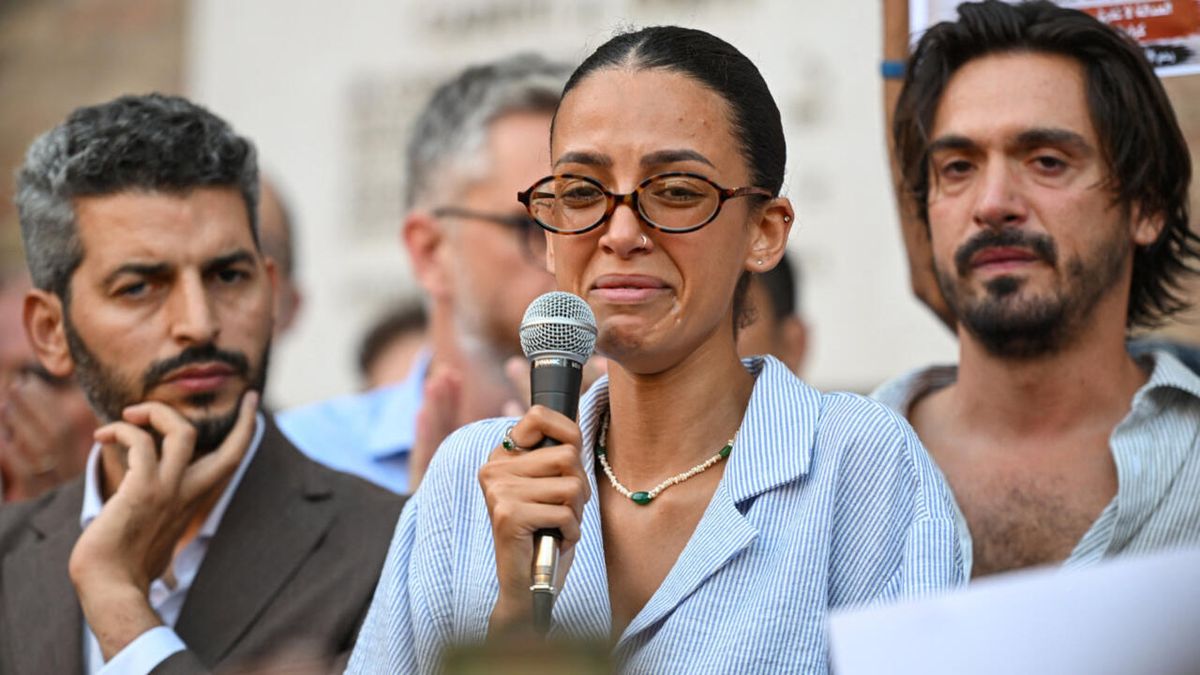
On July 20-21, 2026, the Italian city of Bologna became the focal point of significant public unrest as protesters took to the streets. The demonstrations were triggered by the death of Abderrahim Fakir, a Moroccan man, while he was being detained by local police. The incident quickly escalated into clashes between demonstrators and security personnel, underscoring deep-seated concerns over police accountability and justice within Italy.
The protests, which saw Fakir's niece, Yossra Fakir, reading a statement to the public, reflect a demand for transparency and a thorough investigation into the circumstances surrounding his death. The gravity of the situation is further amplified by explicit comparisons drawn by some demonstrators to the 2020 murder of George Floyd in the United States, indicating a global resonance of such incidents and a shared public demand for justice in cases of alleged police misconduct.
The death of Abderrahim Fakir under police restraint poses a significant challenge to Italy's domestic institutions, particularly its law enforcement and judicial systems. The immediate public reaction, characterized by protests and calls for accountability, suggests a lack of public trust in existing oversight mechanisms. For the Italian government, this incident necessitates a robust and impartial investigation to uphold the principles of the rule of law and demonstrate a commitment to justice. Failure to address these concerns effectively could erode public confidence, potentially leading to prolonged social unrest and a questioning of state authority.
Such events test the resilience of democratic institutions and their capacity to ensure that law enforcement operates within legal and ethical boundaries. The outcome of the investigation and the subsequent actions taken by authorities will be crucial in determining whether public trust can be restored and whether systemic issues, if any, within the police force are adequately addressed. This is not merely a localized incident but a barometer of Italy's adherence to human rights standards and its ability to provide equitable justice for all residents.
The fact that the deceased, Abderrahim Fakir, was identified as a Moroccan man introduces a critical dimension concerning social cohesion and immigrant integration within Italy. Italy, like many European nations, has grappled with complex issues related to immigration, including the integration of diverse communities and the prevention of discrimination. Incidents involving the death of an immigrant individual in police custody can exacerbate existing tensions, fueling perceptions of injustice and potentially widening the divide between immigrant communities and state institutions.
Such events can become flashpoints for broader discussions on systemic racism, xenophobia, and the treatment of minority groups. They challenge the narrative of an inclusive society and can lead to increased polarization. For Italy, a country with a significant immigrant population, ensuring that justice is not only done but seen to be done in such cases is paramount for maintaining social stability and fostering a sense of belonging among all residents. The handling of this incident will inevitably be scrutinized by both domestic and international observers for its implications on Italy's commitment to equitable treatment and human rights for its diverse population.
The comparison of Fakir's death to that of George Floyd underscores the global nature of concerns regarding police brutality and accountability. This incident in Bologna, while domestic, is unlikely to remain isolated from international attention. European Union institutions, human rights organizations, and international media will likely monitor the Italian authorities' response. Italy's standing on human rights and its commitment to democratic values could face scrutiny, particularly from its EU partners.
In an interconnected world, domestic incidents with significant human rights implications can quickly impact a nation's soft power and diplomatic reputation. A perceived failure to ensure justice or to address systemic issues could lead to diplomatic pressure or criticism from international bodies. Conversely, a transparent and just resolution could reinforce Italy's commitment to human rights and strengthen its position within the international community. The events in Bologna thus transcend local concerns, touching upon universal principles of justice, human dignity, and the accountability of state power.
Source referenced: FRANCE24
This brief was synthesized by our Editorial Engine and reviewed by The Ground Narrative team.