TRENDING

Monday, 19 October 2026
----------------------
8 Jumada Al-Awwal 1448 AH
Russia's Foreign Minister Sergey Lavrov visited Tehran to discuss the "US-Israeli war on Iran" and regional security. This meeting signals a deeper strategic alignment between the two nations, challenging established power structures in the Middle East.
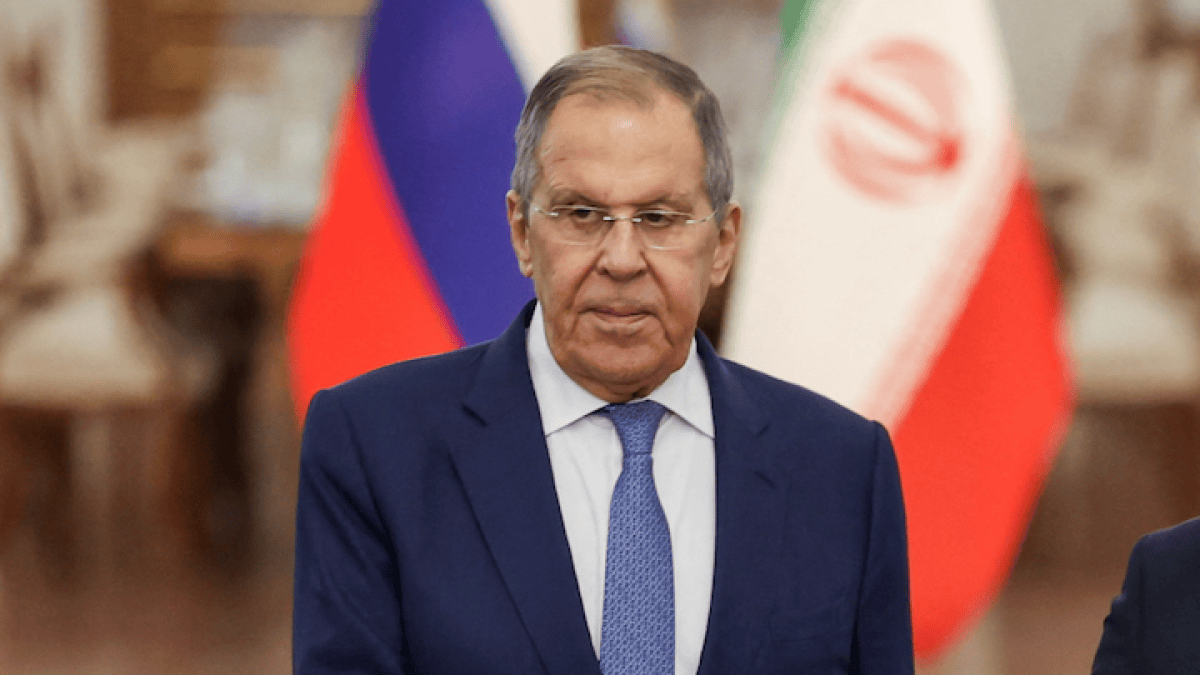
Russia's Foreign Minister Sergey Lavrov recently concluded a significant visit to Tehran, marking his first trip since the outbreak of what the source described as the "US-Israeli war on Iran." During his visit, Lavrov engaged with his Iranian counterpart, Abbas Araghchi, with discussions centered on the ongoing conflict and collaborative efforts to achieve its resolution. This high-level diplomatic engagement underscores a deepening strategic and political alignment between Moscow and Tehran at a moment of considerable regional volatility.
The convergence of interests between Russia and Iran is rooted in a shared desire to challenge the existing global order, which they perceive as dominated by the United States and its Western allies. This visit, framed against the backdrop of a "US-Israeli war on Iran," highlights a calculated move by both nations to solidify their positions in a rapidly evolving geopolitical landscape.
From Russia's perspective, a robust relationship with Iran serves multiple strategic objectives. It extends Moscow's influence beyond its traditional spheres, particularly into the crucial Middle East region, where US power has historically been paramount. Iran offers a vital strategic corridor to the Persian Gulf and acts as a key partner in undermining the efficacy of Western sanctions regimes. By aligning with Iran, Russia projects itself as a significant global power broker, capable of navigating and influencing complex regional conflicts, thereby bolstering its narrative as a counterweight to perceived Western aggression. The adoption of the "US-Israeli war on Iran" framing, as presented by the source and likely echoed by both diplomatic parties, perfectly aligns with Moscow's broader strategy of portraying Western actions as destabilizing and justifying its own interventions and alliances.
For Iran, facing relentless pressure from US sanctions and regional adversaries such as Israel and Saudi Arabia, Russia represents a powerful diplomatic ally and a crucial source of military technology and economic support. This partnership helps Iran circumvent international isolation, providing access to markets for its energy resources and other goods, often through unconventional channels designed to bypass Western financial systems. The visit reinforces Iran's status as a pivotal player in a multipolar world, lending legitimacy to its regional ambitions and providing significant leverage against Western demands and pressures. The strategic alignment with Russia is seen as essential for Tehran's national security and its pursuit of regional influence.
This burgeoning relationship is not a formal military alliance in the traditional sense, like NATO, but rather a pragmatic convergence of strategic interests. Both nations are subject to extensive Western sanctions, which naturally pushes them towards greater economic, military, and technological cooperation. They share a fundamental objective: to diminish the impact of US sanctions and establish alternative financial and trade mechanisms that operate outside Western control. This shared adversity fosters a unique bond of solidarity and mutual reliance.
In terms of military doctrine, Russia benefits significantly from Iran's extensive network of proxy forces and its influence across the Middle East, including in Syria, Iraq, Lebanon, and Yemen. These networks can be strategically leveraged to complicate US and Israeli operations and to project power without direct military engagement. Conversely, Iran gains access to advanced Russian military hardware, including sophisticated air defense systems and fighter jets, along with critical military expertise. This access is vital for bolstering its defense capabilities and deterring potential external threats, thereby enhancing its strategic autonomy in the region.
Economically, while both Russia and Iran are major energy producers, their collaboration extends beyond traditional energy markets. It focuses on developing innovative ways to circumvent Western financial systems, establish new trade routes, and share critical technology. This includes potential arms deals, energy swaps, and joint infrastructure projects designed to create a resilient economic bloc capable of weathering Western pressure. The long-term vision is to foster an economic ecosystem that is largely independent of Western financial institutions and trade norms, thereby enhancing their collective economic sovereignty.
The deepening strategic alignment between Russia and Iran, particularly when framed by the narrative of a "US-Israeli war on Iran," carries profound human costs, primarily manifesting as exacerbated regional instability and intensified proxy conflicts. Ordinary citizens in the Middle East are the primary bearers of these consequences, often far removed from the geopolitical maneuvering in Tehran or Moscow.
This heightened cooperation risks intensifying existing conflicts in volatile regions such as Syria, Iraq, Yemen, and Lebanon. These areas are already battlegrounds for competing regional and international interests, and a more entrenched Russia-Iran axis against US-Israeli interests could lead to a further escalation of violence. Local populations are caught in the crossfire, enduring the brunt of warfare, forced displacement, and severe humanitarian crises. The strategic gains made by powerful actors often translate directly into immense suffering for those on the ground.
Millions of people have already been uprooted from their homes by conflicts fueled by regional power struggles. A more solidified Russia-Iran partnership, particularly if it leads to increased militarization or intervention, could trigger new waves of refugees and internally displaced persons. These individuals often lose everything – their homes, livelihoods, and communities – becoming vulnerable to exploitation, disease, and chronic poverty. The long-term psychological and social scars on these populations are immeasurable, perpetuating cycles of trauma across generations.
While Russia and Iran strive to bypass Western sanctions, these measures continue to have a devastating impact on the daily lives of ordinary citizens. The complex, often opaque, trade networks developed to circumvent sanctions are inherently less efficient and transparent than conventional international commerce. This inefficiency leads to inflated prices for essential goods, limits access to diverse international markets, and stifles broader economic growth. Small businesses struggle to survive, job opportunities shrink, and the overall standard of living declines, making basic necessities increasingly unaffordable for the general populace. The promise of economic resilience often comes at the expense of individual prosperity.
In an environment characterized by heightened external threats and the consolidation of power, both Russia and Iran frequently tighten their grip on internal dissent. Under the pretext of national security and safeguarding against foreign aggression, citizens' rights and freedoms can be severely curtailed. This includes restrictions on freedom of speech, assembly, and political participation, leading to a narrowing of public discourse and a chilling effect on activism. The human cost here is the erosion of democratic principles and individual autonomy, as governments prioritize state security over the fundamental rights of their people.
The very framing of a "US-Israeli war on Iran," whether declared or indirect, casts a pervasive shadow of constant threat over the region. This psychological burden affects every aspect of daily life, from personal safety and mental health to investment decisions and long-term planning for millions. It fosters a pervasive atmosphere of fear and uncertainty, hindering development and perpetuating a cycle of anxiety that impacts generations.
The most significant untold story emanating from Lavrov's visit to Tehran is the deliberate and strategic framing of the regional situation as a "US-Israeli war on Iran." While tensions, proxy conflicts, and covert operations are undeniable realities, official US and Israeli statements rarely, if ever, characterize their actions as an "all-out war" on Iran. This specific narrative, adopted by Al Jazeera and strategically leveraged by Moscow and Tehran, serves a critical, multifaceted purpose for both nations.
This particular phrasing is not merely descriptive; it is a potent strategic tool. By portraying Iran as a victim of direct Western aggression, Russia and Iran achieve several key objectives:
- Legitimizing Alignment: It allows both nations to present their deepening cooperation as a defensive necessity, a righteous bulwark against perceived external threats. This narrative transforms their alliance into a matter of national survival and regional stability, rather than an aggressive power play.
- Mobilizing Domestic Support: A narrative of external war or existential threat is a powerful mechanism for rallying nationalist sentiment within both Russia and Iran. It can effectively divert public attention from internal challenges, economic hardships, or political dissent, consolidating power around the leadership.
- Influencing International Opinion: This framing aims to paint the US and Israel as aggressors on the global stage, potentially swaying fence-sitting nations, eroding Western diplomatic standing, and garnering sympathy for the Russia-Iran axis. It seeks to redefine the terms of the debate.
- Justifying Military Build-up: The perceived threat of war provides a convenient pretext for acquiring advanced weaponry, expanding military capabilities, and engaging in joint military exercises, all under the guise of strengthening national defense against an external enemy.
Both Russia and Iran vociferously champion "strategic autonomy" from Western influence, advocating for a multipolar world order. However, this pursuit often comes at a significant cost, particularly in terms of genuine economic diversification and integration into the broader global economy.
- New Forms of Dependence: While striving for independence from the West, these nations risk creating a new form of interdependence on each other. This can limit their options for international partnerships, potentially making them vulnerable to each other's internal political pressures, economic downturns, or policy shifts. True autonomy often requires a diverse network of partners, not merely a shift in allegiances.
- The Illusion of Choice: For ordinary citizens, the rhetoric of strategic autonomy frequently masks a reduction in real-world choices. This can manifest as fewer international trade partners, limited access to a diverse range of goods and services, and a narrowing of political discourse as external threats are emphasized over internal reforms and freedoms.
The Untold Story also includes the underlying geopolitical shifts that create the conditions for this alignment. The United States has been gradually recalibrating its strategic focus, shifting resources and attention away from the Middle East towards the Asia-Pacific region. This perceived power vacuum is a key driver for both Russia and Iran to assert greater influence and reshape the regional security architecture.
- Beyond Ideology: While ideological differences and historical grievances exist, the immediate impetus for this deepening alignment is pragmatic power projection. Both nations recognize an opportunity to fill the void left by a receding US presence, positioning themselves to redefine regional dynamics, often at the expense of smaller, less powerful states caught between these competing ambitions.
As the Russia-Iran alignment solidifies, several key indicators will reveal the true trajectory and impact of this evolving partnership on the Middle East and beyond.
- Escalation of Proxy Conflicts: Closely monitor the intensity, frequency, and geographical spread of conflicts in regions such as Syria, Iraq, Yemen, and Lebanon. Increased coordination between Moscow and Tehran could translate into more aggressive actions by their aligned forces, potentially leading to wider destabilization and humanitarian crises.
- Sanctions Evasion Mechanisms: Observe the development and effectiveness of new financial instruments, alternative trade routes, and the potential adoption of digital currencies designed to circumvent Western sanctions. The success or failure of these initiatives will be a crucial barometer of the resilience and long-term viability of their economic alignment.
- Military Technology Transfers: Watch for credible reports of advanced Russian military hardware, such as sophisticated air defense systems, fighter jets, or electronic warfare capabilities, being supplied to Iran. Conversely, monitor the potential use of Iranian drone and missile technology by Russia. Such transfers would significantly alter the regional military balance and potentially escalate the capabilities of non-state actors.
- Diplomatic Engagements with Other Non-Western Powers: Pay attention to whether Russia and Iran actively seek to draw other nations, particularly major powers like China, India, or Turkey, into their orbit. The formation of a broader anti-Western coalition or the establishment of alternative economic blocs could signal a more profound shift in global power dynamics.
- Internal Stability in Both Nations: The long-term sustainability of this strategic alignment is intrinsically linked to the internal political and economic stability of both Russia and Iran. Any significant internal unrest, leadership changes, or economic crises within either country could impact their ability to maintain this partnership, potentially altering the regional power balance.
Both Russia and Iran seek to challenge Western dominance and circumvent international sanctions. Their alliance offers mutual benefits in diplomatic support, military technology, and economic cooperation, particularly in the Middle East.
This phrasing, used by the news source and likely by Russian and Iranian officials, describes ongoing tensions, proxy conflicts, and covert operations. It serves as a strategic narrative for Moscow and Tehran to legitimize their alignment against perceived Western aggression.
Ordinary citizens in the Middle East bear the primary human cost through exacerbated proxy conflicts, increased displacement, economic hardship due to sanctions, and potential erosion of civil liberties in both Russia and Iran.
Source referenced: ALJAZEERA
This brief was synthesized by our Editorial Engine and reviewed by The Ground Narrative team.


