TRENDING

Monday, 5 October 2026
----------------------
24 Rabi' Al-Thani 1448 AH
As Russia's war in Ukraine evolves, Baltic startups are rapidly innovating to counter the hybrid threat, focusing on autonomy, AI, and cybersecurity to deter Russian aggression. With the Baltic states investing heavily in defence, these startups may hold the key to a low-cost, scalable solution.
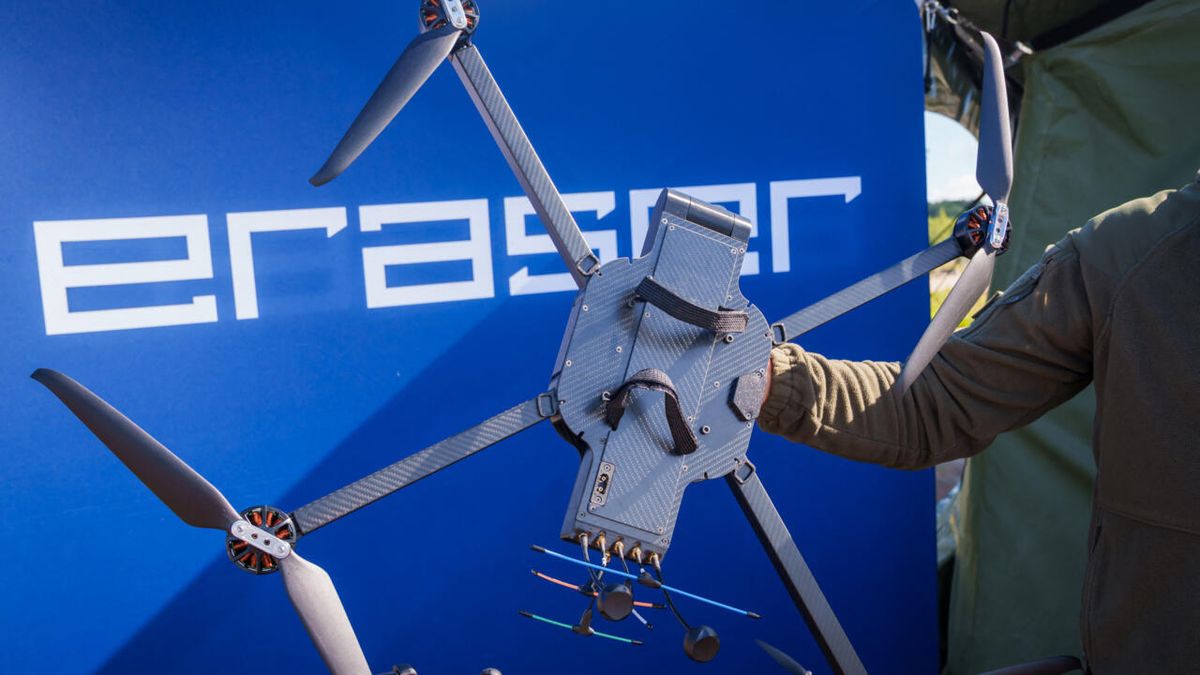
The Baltic states, comprising Lithuania, Latvia, and Estonia, have witnessed a surge in defence startups since Russia launched its full-scale war in Ukraine in February 2022. These startups are developing innovative technologies to counter the Russian threat, including autonomy, AI, drones, and edge computing.
The Baltic states are aware of their strategic weaknesses in the face of the Russian threat and are taking proactive measures to address them. With the potential of a Russian attack on one of the NATO member states, including one of the Baltic states, the region is investing heavily in defence. The startups are focusing on niche solutions that bigger defence primes don't traditionally have the ability to deal with, providing a low-cost and scalable solution to deterring Russian aggression.
The Baltic states face frequent disinformation and propaganda from Russia, which can have a significant impact on the population. Many people in the region still understand Russian, making it easier for Russian propaganda to spread. The startups, such as Repsense and DefSecIntel, are developing tools to counter this propaganda, helping to uncover the truth and prevent it from spreading.
What is being downplayed by powerful actors is the fact that the Baltic states are not just passive recipients of Russian aggression but are actively taking steps to counter it. The region's startup culture and innovative spirit are being leveraged to develop cutting-edge defence technologies, which could have a significant deterrent effect on Russia. Additionally, the potential US disengagement from its security obligations over the European continent is driving the Baltic states to invest heavily in their defence systems, with Lithuania directing more than 5% of its GDP on defence in 2026.
Readers should watch for the continued development of defence startups in the Baltic region and their potential impact on the Russian threat. The ability of these startups to innovate rapidly and provide niche solutions could be a game-changer in the region's defence strategy. Additionally, the potential for export markets and the role of grant schemes in supporting these startups will be crucial in determining their success. As the situation in Ukraine continues to evolve, the Baltic states' innovative approach to defence may become a model for other regions facing similar threats.
Editor's Note: The analysis is based on current trends and available data, but the situation in the region is subject to change
Source referenced: FRANCE24
This brief was synthesized by our Editorial Engine and reviewed by The Ground Narrative team.


