TRENDING

Sunday, 25 October 2026
----------------------
14 Jumada Al-Awwal 1448 AH
Yerevan's underground drag scene is thriving despite significant risks, a phenomenon deeply intertwined with the influx of Russian emigrants fleeing the Ukraine war and Moscow's anti-LGBTQ+ crackdown. This cultural shift highlights the complex social and economic ripple effects of major geopolitical events on post-Soviet societies.
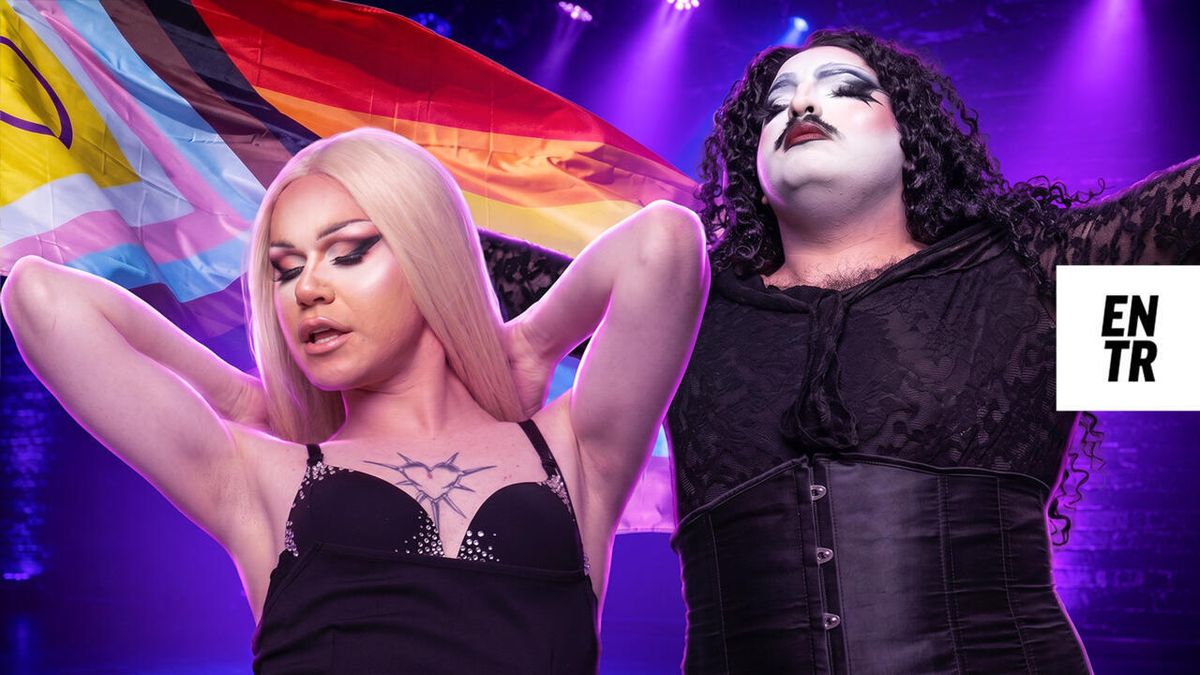
The burgeoning underground drag scene in Yerevan, Armenia, represents a complex interplay of cultural expression, human rights, and the profound geopolitical ripple effects of Russia's full-scale invasion of Ukraine. While Armenia has historically ranked low on LGBTQ+ rights, a notable, albeit precarious, shift in social attitudes has emerged, largely influenced by demographic changes spurred by the conflict.
Since Russia's 2022 invasion of Ukraine, Armenia has become a significant destination for hundreds of thousands of Russians fleeing military mobilization, Western economic sanctions, and increasingly draconian domestic laws, particularly those targeting the LGBTQ+ community. Estimates suggest between 35,000 and 55,000 Russians have settled in Armenia, drawn by visa-free entry and cultural proximity. This exodus, described as Russia's largest since 1917, includes a substantial number of individuals seeking refuge from state-sponsored homophobia. For instance, drag queen Molly fled Russia after her Moscow club was raided following the country's ban on the non-existent "international LGBT movement" as an "extremist" organization, leading to arrests and legal proceedings for many.
The arrival of this new demographic has inadvertently fostered a more visible and, in some respects, more tolerant environment for queer expression in Yerevan. Many Russian emigrants, accustomed to different social norms or actively seeking freedom from persecution, openly embrace styles and identities that were previously associated with the queer community and often met with hostility in Armenia. This increased visibility, as noted by local organizers like Leo, has begun to challenge traditional Armenian perceptions, making certain forms of expression more socially acceptable. However, this nascent tolerance is not universal and often carries a caveat: "It's okay if you're Russian, but if you are Armenian and you're doing it, you're bringing shame to your people," highlighting persistent internal societal conservatism. Acts of violence, police raids, and family rejection remain commonplace, with venues like the Portal club forced to close due to police pressure, often under pretexts like drug searches, despite drag not being illegal in Armenia.
The influx of Russians has also had significant economic consequences, particularly on the cost of living in Yerevan. Rents surged dramatically in late 2022 and early 2023, making housing unaffordable for many locals. This economic pressure has indirect but severe social repercussions. According to Pink Armenia, the country's largest LGBTQ+ organization, the inability of young Armenians to afford independent housing has contributed to a spike in domestic violence, with reported cases rising from 10 in 2022 to 38 in 2024. Furthermore, increased LGBTQ+ visibility, while fostering some acceptance, has also led to more young people being "outed" to their families, sometimes with negative consequences, as parents "recognize" behaviors previously less understood.
Despite the complex and often dangerous environment, Armenia's underground drag scene continues to thrive, attracting hundreds to events spread through word-of-mouth due to security concerns. Performers like Leo and Molly embody a defiant resilience, risking personal safety for artistic expression and community building. The country's ranking on ILGA-Europe's rainbow map, while still low (45th out of 49 in 2026), shows a steady, albeit slow, improvement since 2022, when it tied with Russia at 47th. This incremental progress underscores the ongoing struggle for legal protections and social acceptance in a society grappling with rapid external influences and deeply ingrained traditions.
The Armenian drag scene, therefore, serves as a microcosm of broader geopolitical shifts. It illustrates how major international conflicts, such as the war in Ukraine, can trigger unexpected demographic movements that, in turn, reshape the social and cultural fabric of host nations. Armenia, positioned between Russia and the West, finds itself navigating these complex currents, balancing traditional values with new influences. The struggle for LGBTQ+ rights in Armenia reflects a wider ideological contest in the post-Soviet space, where some nations lean towards more liberal European values while others, like Russia, regress into authoritarian conservatism. The resilience of the drag community in Yerevan, despite significant risks, highlights the enduring human desire for self-expression and the slow, often painful, evolution of societal norms under the shadow of geopolitical upheaval. The future trajectory of Armenia's social landscape will likely continue to be shaped by these intertwined domestic and international forces.
Source referenced: FRANCE24
This brief was synthesized by our Editorial Engine and reviewed by The Ground Narrative team.