TRENDING

Sunday, 4 October 2026
----------------------
23 Rabi' Al-Thani 1448 AH
Algeria's parliamentary elections on July 2, 2026, are marked by low turnout expectations and controversy over disqualified candidates, highlighting the country's economic struggles and democratic challenges.
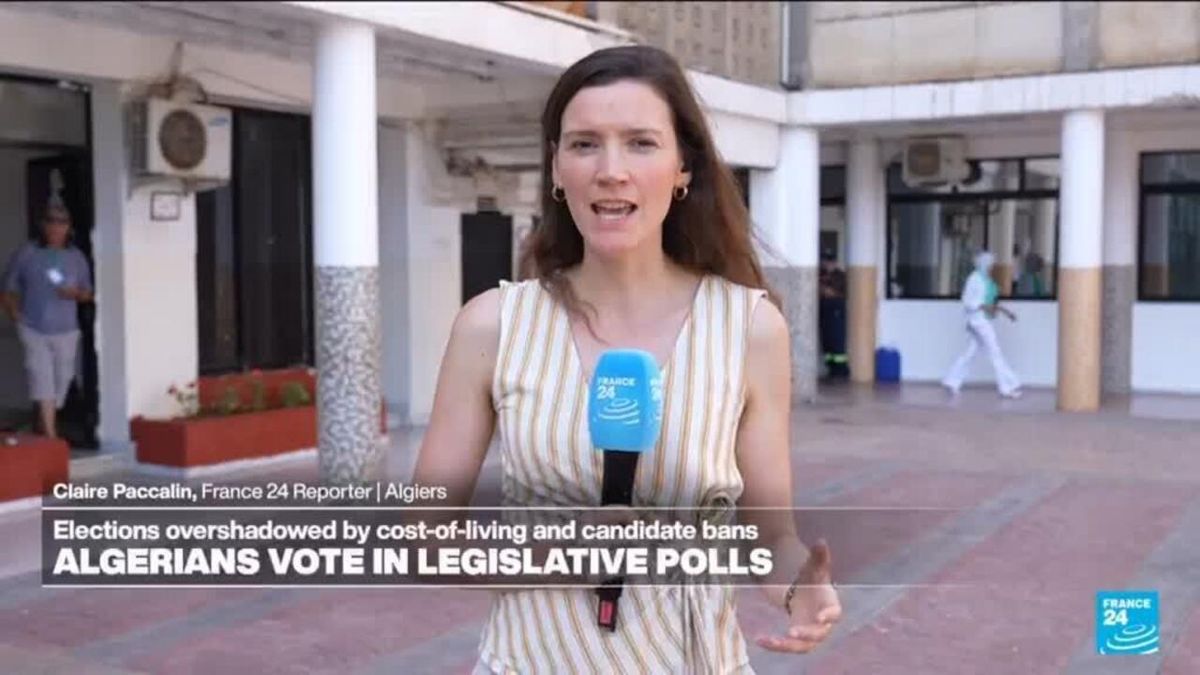
Algeria's parliamentary elections on July 2, 2026, are a critical moment for the North African nation, as it grapples with low turnout expectations and controversy over disqualified candidates. The vote is taking place amidst a backdrop of economic struggles, with the government facing pressure to address the country's cost-of-living crisis.
Algeria's economy has been facing significant challenges in recent years, with high inflation, unemployment, and a decline in oil revenues. The country's reliance on oil exports has made it vulnerable to fluctuations in global energy markets, exacerbating the economic crisis. The government's response to these challenges has been criticized for being inadequate, leading to widespread discontent among the population.
The elections are also seen as a test of the government's commitment to democratic reforms. The disqualification of roughly a third of potential candidates has raised concerns about the fairness and transparency of the electoral process. This move has been criticized by opposition parties and civil society groups, who argue that it is an attempt to suppress dissenting voices and maintain the ruling party's grip on power.
The outcome of the elections will have significant implications for Algeria's influence in the region. As a key player in the African Union and the Arab League, Algeria's stability and democratic credentials are crucial for regional security and cooperation. A low turnout or disputed election result could undermine Algeria's credibility and weaken its position in regional forums.
The elections will be a turning point for Algeria's democratic reforms, with the outcome determining the country's trajectory towards greater democratization or continued authoritarianism. A successful election, marked by high turnout and a fair electoral process, would be a significant step towards consolidating Algeria's democratic gains. Conversely, a disputed or low-turnout election would raise concerns about the government's commitment to democratic reforms and potentially lead to further unrest and instability.
Editor's Note: The analysis is based on available information and may be subject to change as more details emerge.
Source referenced: FRANCE24
This brief was synthesized by our Editorial Engine and reviewed by The Ground Narrative team.